Wisteria, Genus, frutescens, Species,
- Genus & species
American wisteria
Overview
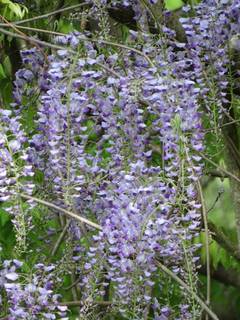
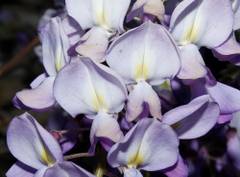
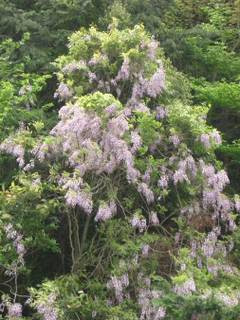
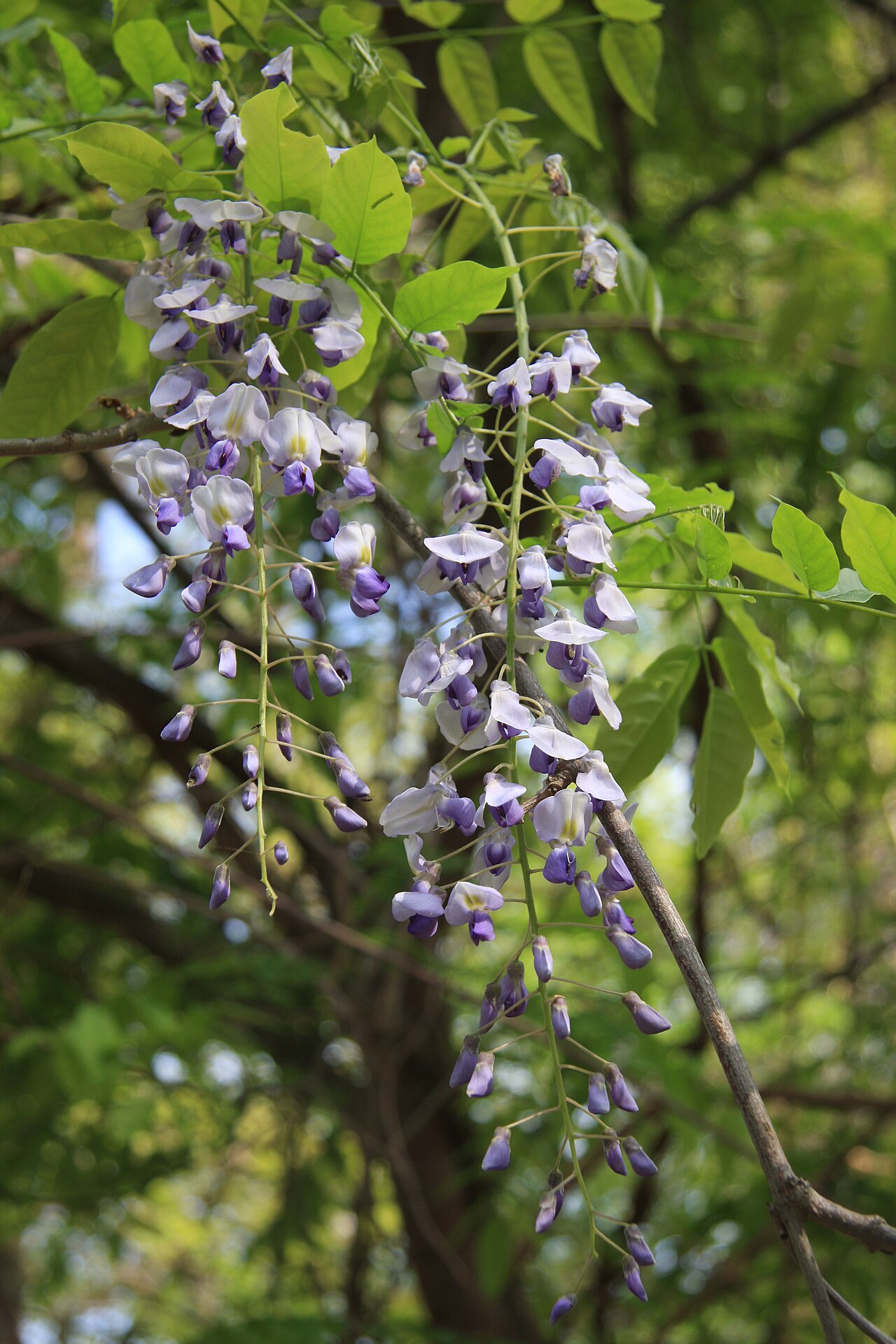
Wisteria frutescens is a deciduous twining vine reaching 15-30 feet (4.5-9 m), with woody stems 1-4 inches (2.5-10 cm) thick at the base on mature plants. Leaves are pinnate, 4-12 inches (10-30 cm) long, carrying 9-15 oval leaflets 1-2.5 inches (2.5-6 cm) long that emerge in April and hold dark green until dropping in October. Flowers open in dense racemes 4-6 inches (10-15 cm) long holding 30-80 pea-shaped flowers in lilac-blue to purple, each 0.5-0.75 inch (12-20 mm) long, carrying a light scent. Racemes open after the leaves have expanded, from late May into June, with scattered repeat flowering through July and August. Seed pods are smooth, hairless, bean-like, 2-4 inches (5-10 cm) long, ripening brown and splitting in autumn. Extension growth runs 6-10 feet (1.8-3 m) per year, against 20-25 feet (6-7.5 m) for W. sinensis. Plants raised from seed take 3-5 years to flower, while grafted and cutting-raised plants flower in 1-2 years. All parts, and the seeds in particular, contain lectins and wisterin, which cause vomiting and abdominal pain when eaten.
Native Range
Native to the southeastern United States from Virginia and Kentucky south to Florida and west to Texas. Grows in wet woodland, along stream banks, on swamp margins, and at floodplain forest edges from sea level to 1,600 feet (500 m). Populations climb into canopy trees and also sprawl across shrubs and fallen timber.Suggested Uses
Grown on pergolas, arbors, and heavy fences able to carry 15-30 feet (4.5-9 m) of growth, and trained as a freestanding standard on a stake 5-6 feet (1.5-1.8 m) tall. Container culture holds plants to 6-8 feet (1.8-2.4 m) in pots of 15 gallons (57 L) or larger with annual cutting. Seeds and pods are toxic when eaten, and the twining habit rules out lightweight structures and small trees as supports.How to Identify
Appearance
Size & Dimensions
Height15' - 30'
Width/Spread6' - 10'
Colors
Bloom Information
The main flush opens from late May into June in zones 5-9, some 2-4 weeks after the Asian wisterias, and lasts 2-3 weeks. Scattered racemes follow through July and August on new growth. Flowering starts in early May in zones 8-9. Plants raised from seed carry no flowers for the first 3-5 years, while grafted and cutting-raised plants flower within 1-2 years of planting.
Detailed Descriptions
Flower Description
Lilac-blue to purpleFoliage Description
Dark greenGrowing Conditions
Sun Requirements
Requires 6-8 hours of direct sunlight daily
• Full Sun: 6+ hours of direct sunlight
• Partial Shade: 3-6 hours of direct sunlight
• Full Shade: Less than 3 hours of direct sunlight
Care & Maintenance
Care Guide
Water weekly through the first two seasons; established vines hold through 3-4 weeks without rain and tolerate soil saturated for 1-2 weeks. Soil from pH 5.0 to 7.5 in loam, clay, or sand carries growth, and nitrogen fertilizer is withheld, since it produces stem extension in place of flowers. Supports must carry 100-200 pounds (45-90 kg) of mature growth, and stems wrapped around downspouts, gutters, and thin posts crush them as they thicken. Flowering follows 6 or more hours of direct sun; vines in shade extend normally but carry few racemes. Twining stems that reach nearby shrubs and small trees girdle them within 2-3 seasons. Root suckers rise within 3-6 feet (0.9-1.8 m) of the crown and are cut below ground level.Pruning
Side shoots are cut back to 6 inches (15 cm) in July and again to 2-3 buds in January or February, which builds the short flowering spurs that carry racemes. Vines left uncut extend 6-10 feet (1.8-3 m) per year and flower only at the outer tips. Stems cut hard into old wood regrow from dormant buds and resume flowering in the second season.Pruning Schedule
Prune: January–February & July
summerwinter
Container Growing
Suitable for container growing
Minimum container size: 15 gallons