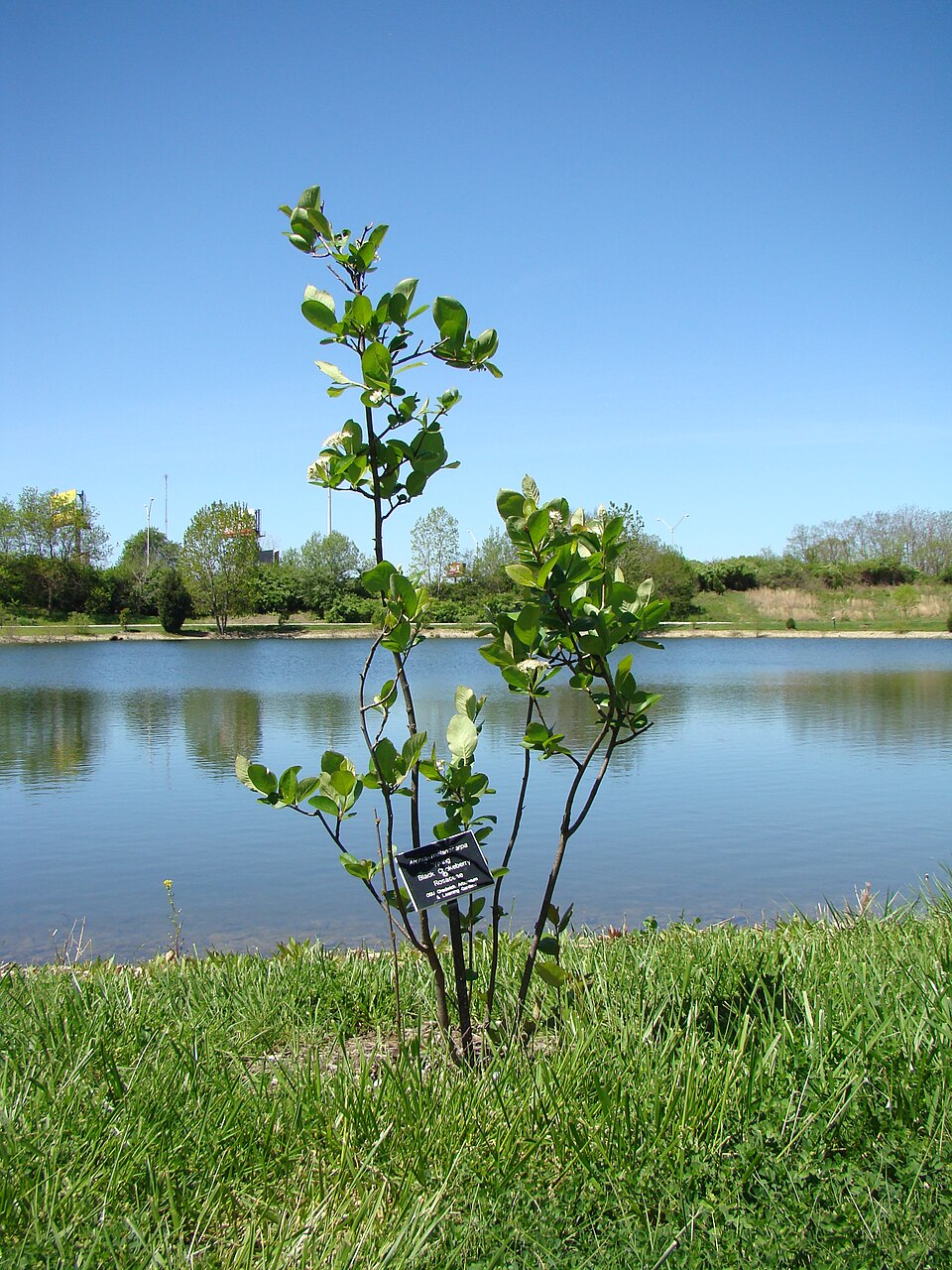
Aronia, Genus, melanocarpa, Species, 'Viking', Cultivar,
- Genus & species
- Cultivar
viking aronia chokeberry
Eastern North America (species); cultivar selected in Eastern Europe (Finland/Russia), mid-20th century
Overview
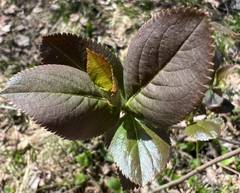
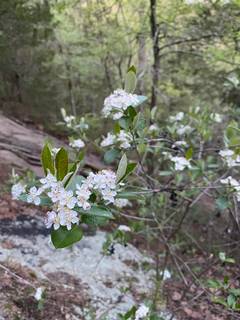
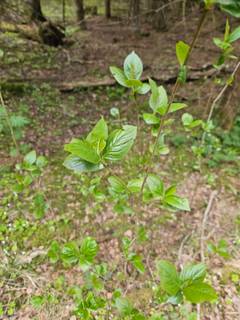
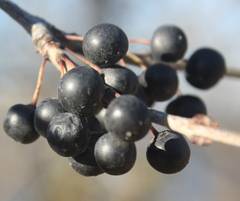
Aronia melanocarpa 'Viking' is a black chokeberry cultivar selected for fruit yield and berry size from the species A. melanocarpa, which is native to eastern North America. 'Viking' was selected in Eastern Europe (often attributed to Finland or Russia) and introduced to North American commerce in the late 20th century. The multi-stemmed shrub grows 60-84 inches (150-210 cm) tall and 60-72 inches (150-180 cm) wide on upright stems that root from the base and form colonies through suckering. Glossy dark green elliptical leaves 1-3 inches (2.5-7.5 cm) long, turning red to purple-red in fall — fall color is reliable across zones 3-8. White 5-petaled flowers 0.5 inch (12 mm) across with pink anthers appear in flat-topped clusters of 10-30 in late April through May. Round berries 0.3-0.5 inch (8-12 mm) ripen black to deep purple-black in August through September, with very high anthocyanin and polyphenol content. Berry flavor is astringent and bitter when fresh; commercial use is in juices, jams, wines, and supplements. Self-fertile — single plants set fruit. Hardy zones 3-8 in the ground; foliage tolerates -40°F (-40°C). Tolerant of wet soils, periodic flooding, and a wide pH range (5.0-7.5) — adapted to soils that exclude many other shrubs. Yield is 10-20 pounds (4.5-9 kg) per plant from year 4 onward.
Native Range
The species A. melanocarpa is native to eastern North America from Newfoundland and Quebec south to Florida and west to Minnesota, occurring in moist acid woodlands, bogs, swamps, and stream margins. 'Viking' is a horticultural selection generally attributed to Finland or Russia in the mid-20th century, where A. melanocarpa has been bred for commercial fruit production since the 1940s. Cultivated commercially across temperate North America and Eastern Europe for berry production, and used in landscape plantings across zones 3-8.Suggested Uses
Grown in dedicated berry plantings, naturalistic plantings, hedgerows, riparian buffers, and rain gardens in zones 3-8. Spaced 48-60 inches (120-150 cm) apart for hedge effect, or 60-72 inches (150-180 cm) for individual specimens. Berries are pressed for juice, used in jams and wine, dried as a supplement ingredient, and frozen for winter use; raw berries are too astringent for fresh eating without preparation.How to Identify
Appearance
Size & Dimensions
Height5' - 7'
Width/Spread5' - 6'
Bloom Information
White 5-petaled flowers 0.5 inch (12 mm) across with pink anthers appear in flat-topped clusters of 10-30 in late April through late May, depending on zone. Bloom duration is 10-14 days. Fruit develops over 90-120 days from petal fall to ripe berry, with harvest in August through September. Late spring bloom timing and reliable fruit set support fruit production across zones 3-8.
Detailed Descriptions
Flower Description
White with pink anthers, flat-topped clustersFoliage Description
Glossy dark green, turning red to purple-red in fallGrowing Conditions
Sun Requirements
Requires 6-10 hours of direct sunlight daily
• Full Sun: 6+ hours of direct sunlight
• Partial Shade: 3-6 hours of direct sunlight
• Full Shade: Less than 3 hours of direct sunlight
Care & Maintenance
Care Guide
Full sun for fruit production (6-8 hours); tolerates partial shade with reduced berry yield. Adapted to a wide soil range — pH 5.0-7.5, loam, clay, sand, or peat — and tolerant of wet soils and short periods of flooding. Water 1 inch (2.5 cm) per week during fruit development for full berry size; established plants tolerate drought with reduced fruit set. Few significant pests in cultivation; spotted-wing drosophila pressure is lower than on raspberries and blueberries. Birds eat ripening berries; netting reduces losses where harvest is the primary use. Suckers form at the base — annual removal limits colony spread for landscape use, but suckers are left for naturalized plantings.Pruning
Prune in late winter (February-March) before bud break. Remove canes older than 5-7 years at ground level — these produce smaller berries and lower yields. Thin remaining canes to 6-12 of various ages on a mature multi-stemmed plant. Annual removal of basal suckers maintains a single-plant form; suckers left in place create a colony 6-10 feet (1.8-3 m) wide over 5-10 years.Pruning Schedule
Prune: February–March
winterearly spring
Container Growing
Suitable for container growing
Minimum container size: 7 gallons