Aronia, Genus, spp., Multiple species,
- Genus
- Multiple species
chokeberries
Overview
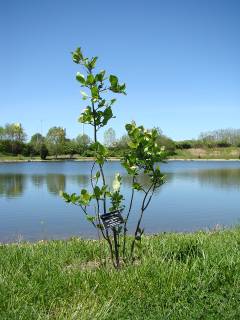
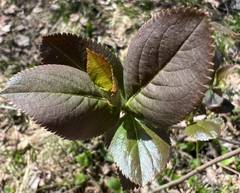
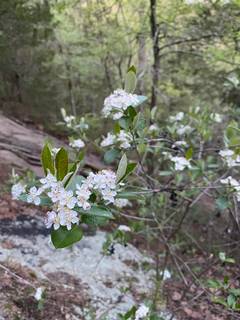
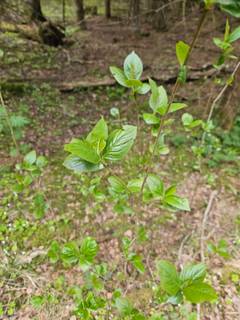
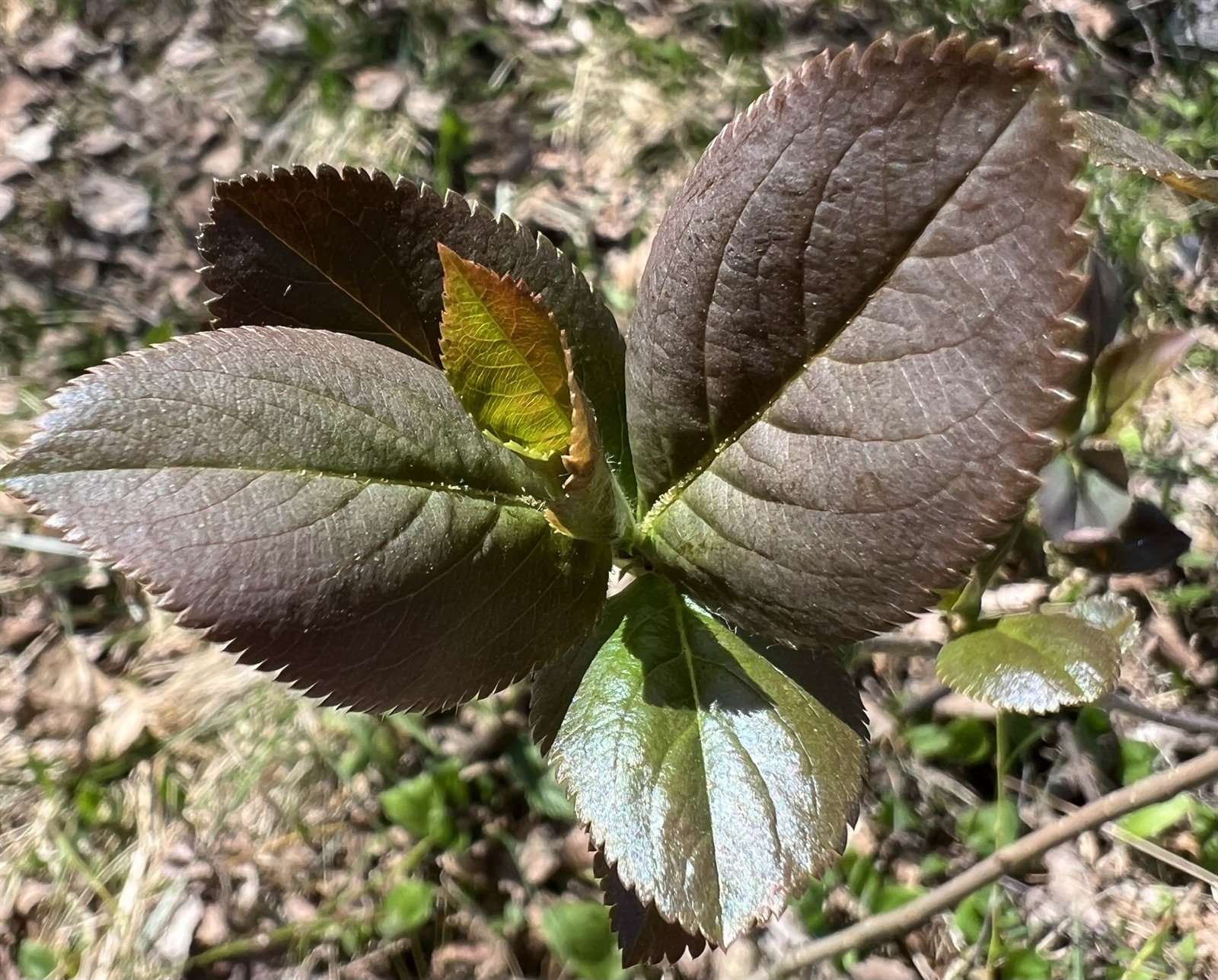
Aronia is a small genus of two to three species of deciduous shrubs in the rose family (Rosaceae), known as chokeberries and native to eastern North America. Plants form upright, multi-stemmed clumps 3 to 10 ft (1 to 3 m) tall that widen slowly by suckers, growing wild in wet thickets, bogs, and clearings as well as on dry, rocky slopes. Flat clusters of small white, sometimes pink-tinged flowers open in mid to late spring, each five-petalled bloom centred on a ring of pink anthers. Glossy dark green summer leaves turn deep red, orange, and purple in autumn. The flowers give way to pea-sized pomes that ripen black in A. melanocarpa or red in A. arbutifolia and hang well into winter. The fruit is edible but sharply astringent raw, the trait behind the name chokeberry, and is pressed for juice, wine, and preserves high in pigments and tannins. Birds strip the berries once cold has softened them. Plants tolerate a wide span of soils, wet or dry, acid or near-neutral, and shrug off cold, though suckering can let a clump spread wider than planned. Black chokeberry and its compact selections are the most often grown.
Native Range
The genus is native to eastern North America, from eastern Canada south through the eastern and central United States. Plants grow from wet lowland thickets to dry upland woods and barrens.Suggested Uses
Used in shrub borders, native and wildlife plantings, rain gardens, and mixed hedges, and on difficult wet or dry sites. The fruit is harvested for juice and preserves, and the autumn colour carries the shrub border late in the season. Compact selections suit foundation plantings and large containers.How to Identify
Appearance
Size & Dimensions
Height3' - 10'
Width/Spread3' - 6'
Bloom Information
Flowering comes in mid to late spring, roughly April to May, as or just after the leaves expand. Each flat cluster holds 10 to 30 small white flowers and lasts one to two weeks. Fruit colours by late summer and holds on the branches into winter.
Detailed Descriptions
Flower Description
white to pale pinkFoliage Description
dark green, red to purple in fallGrowing Conditions
Sun Requirements
Requires 4-8 hours of direct sunlight daily
• Full Sun: 6+ hours of direct sunlight
• Partial Shade: 3-6 hours of direct sunlight
• Full Shade: Less than 3 hours of direct sunlight
Care & Maintenance
Care Guide
Plants grow in full sun to part shade in most soils, tolerating wet ground, clay, drought, and acid to near-neutral conditions once established. Heaviest flowering and fruiting, and the strongest fall colour, come in full sun. Even moisture suits young plants, after which they handle dry spells. Suckers are dug out or mown off to keep a clump in bounds. The genus is little troubled by pests and disease. A spring mulch conserves moisture and feeds the surface roots.Pruning
Pruning is done in late winter, thinning the oldest stems at ground level to renew the clump. Wayward suckers are removed to control spread. Older, leggy plants can be cut back hard to regrow from the base.Container Growing
Suitable for container growing
Minimum container size: 5 gallons