Aronia, Genus, melanocarpa, Species,
- Genus & species
chokecherry
Overview
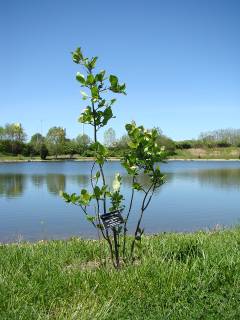
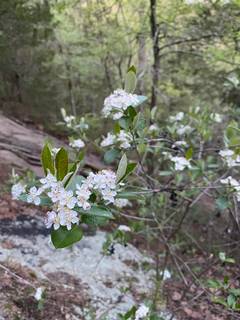
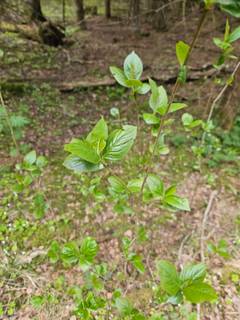
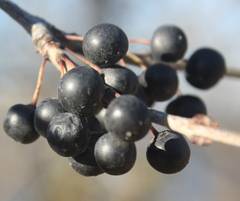
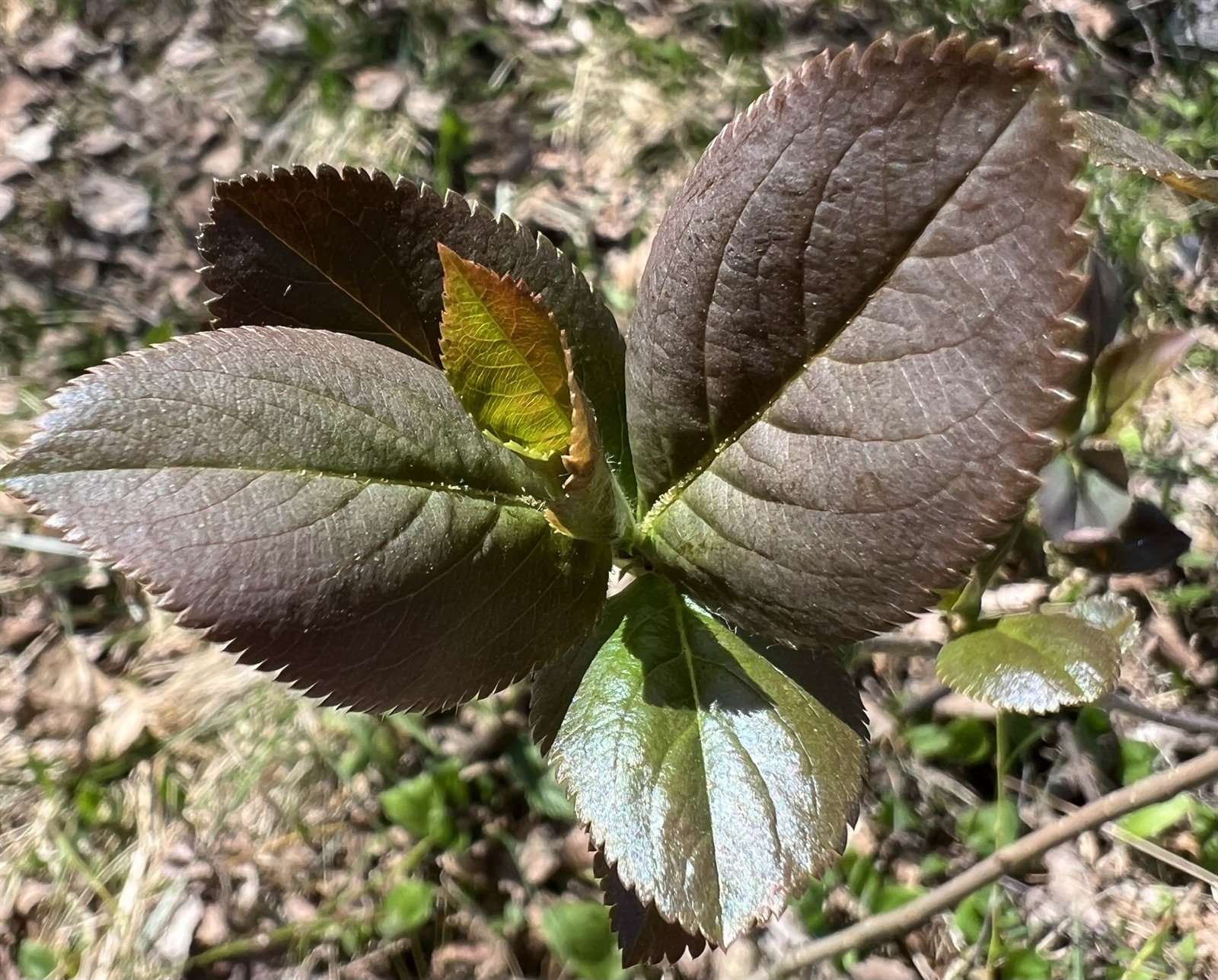
Aronia melanocarpa is a deciduous suckering shrub native to eastern North America, reaching 3-6 feet (0.9-1.8 m) tall and wide, with multiple stems forming a rounded thicket. Leaves are alternate, elliptic to obovate, 1.5-3 inches (4-7.5 cm) long, glossy dark green in summer with prominent black glands along the upper midrib. Fall foliage turns deep red to red-purple from late September through October, often with orange undertones. White flowers 0.4-0.5 inch (10-13 mm) across, with five petals and pink-tipped stamens, are borne in flat-topped corymbs of 8-15 from late April through May. Fruit is a glossy black pome 0.3-0.5 inch (8-13 mm) across, ripening in late August through September and persisting on the plant through November or until consumed by birds. Spreads moderately by rhizomes; a single plant produces a colony 4-5 feet (1.2-1.5 m) wide within 5 years. Fruits are edible but extremely astringent when fresh and are typically processed for juice, jam, or wine. Stem dieback occurs occasionally in waterlogged or compacted soils.
Native Range
Native to eastern and central North America from Newfoundland and Quebec south to Georgia, west to Minnesota and Missouri. Grows in moist woodland edges, bogs, swamp margins, and wet thickets at elevations from sea level to 4,000 feet (1,200 m). Tolerates a wide range of soil conditions but is most abundant on acidic, organically rich, seasonally wet sites.Suggested Uses
Used in native plant landscapes, woodland edges, mixed shrub borders, and rain garden plantings, spaced 4-6 feet (1.2-1.8 m) apart. The fruit crop supports commercial juice and nutraceutical production in the upper Midwest and northern Europe. Plantings on rain garden slopes combine with Cornus sericea, Ilex verticillata, and Rudbeckia species in eastern moist-soil habitats.How to Identify
Appearance
Size & Dimensions
Height3' - 6'
Width/Spread3' - 6'
Bloom Information
Blooms late April through May in zones 5-7, shifting to early-to-mid May in zones 3-4 and mid-April in zones 8. Individual corymbs last 7-10 days; total bloom on a mature shrub extends 14-21 days. Bloom timing follows native serviceberry by 1-2 weeks.
Detailed Descriptions
Foliage Description
glossy dark green in summer; red to red-purple in fallGrowing Conditions
Sun Requirements
Requires 4-8 hours of direct sunlight daily
• Full Sun: 6+ hours of direct sunlight
• Partial Shade: 3-6 hours of direct sunlight
• Full Shade: Less than 3 hours of direct sunlight
Care & Maintenance
Care Guide
Water deeply weekly during the first growing season; established plants tolerate periodic drought but produce smaller fruit crops in dry years. Mulch with 2-3 inches (5-7.5 cm) of organic matter to maintain soil moisture and suppress weeds. Few pest or disease problems occur; occasional leaf spot in humid summers is cosmetic. Spider mites can appear on water-stressed plants and respond to overhead watering. Sucker stems emerge 12-24 inches (30-60 cm) from the parent crown and are removed annually if a discrete shrub form is desired. Fertilization is rarely required in average garden soils.Pruning
The oldest 1-2 stems are removed at ground level each spring on plants over 5 years old to maintain vigor and fruit production. Light shaping after flowering avoids removing developing fruit. Suckers emerging beyond the desired plant footprint are cut at ground level any time during the growing season.Pruning Schedule
Prune: March–April
early spring
Container Growing
Suitable for container growing
Minimum container size: 10 gallons