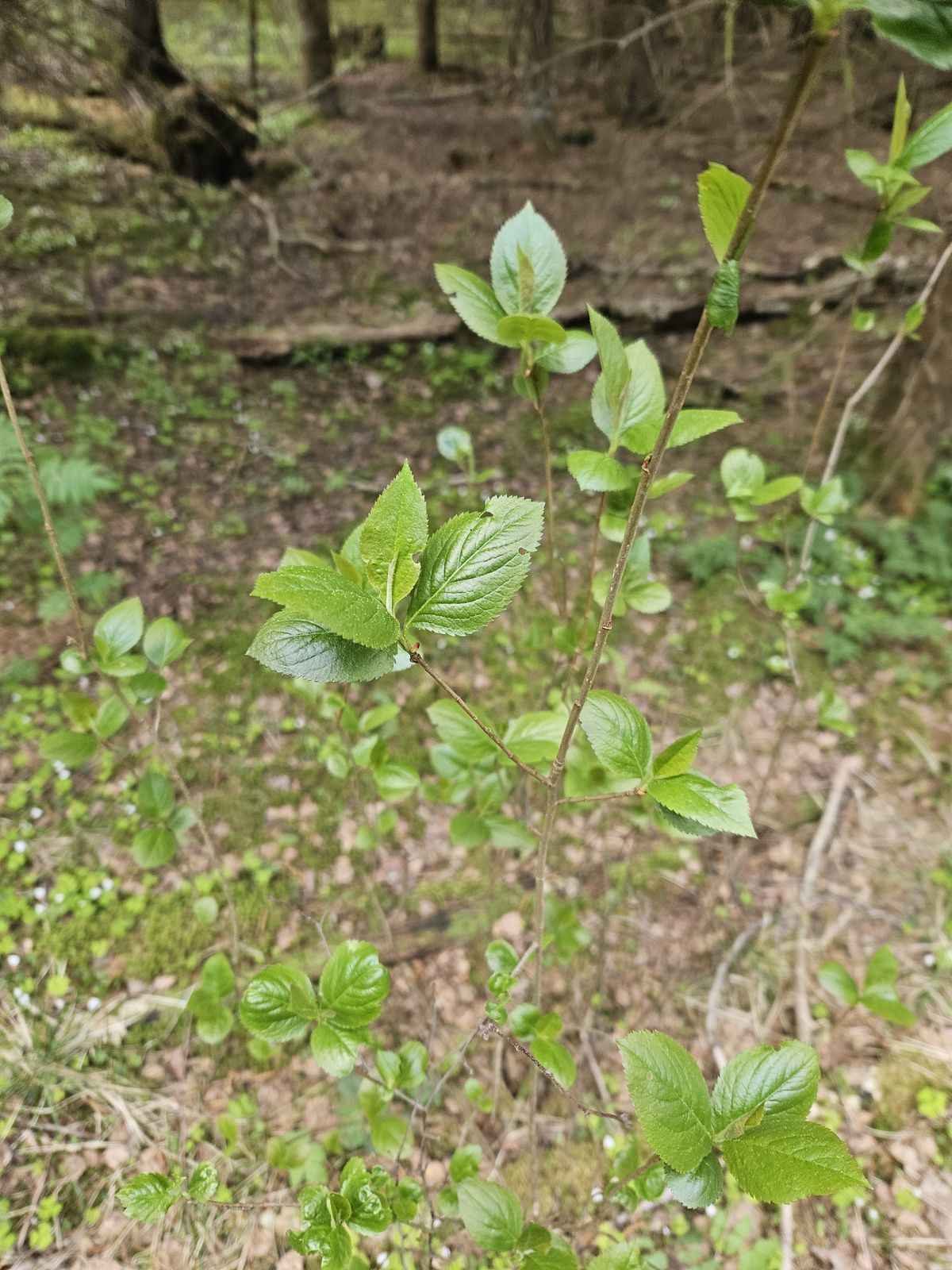
Aronia, Genus, ×, Hybrid, prunifolia, Species,
- Genus & species
- Hybrid
purple chokeberry
Overview
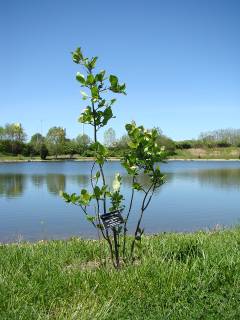
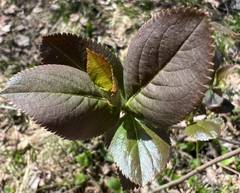
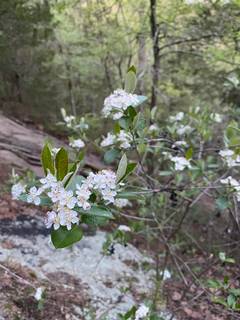
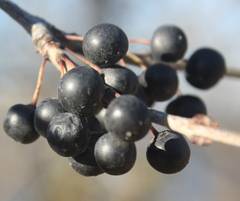
Aronia × prunifolia, purple chokeberry, is a deciduous shrub of hybrid origin between red chokeberry A. arbutifolia and black chokeberry A. melanocarpa, native to eastern North America. It forms an upright, suckering, multi-stemmed clump 4–10 feet (1.2–3 m) tall and 3–6 feet (0.9–1.8 m) wide. The glossy dark green leaves are 1.5–3 inches (4–8 cm) long, finely toothed, with a row of dark glands along the upper midrib, turning red to red-purple in autumn. In spring it bears flat clusters of small white flowers about 0.5 inch (1.2 cm) across, followed by rounded fruit 0.25–0.4 inch (6–10 mm) wide that ripens from red through to dark purple-black, intermediate between the two parents. It grows in full sun to part shade in moist to wet, acid soils and tolerates poor drainage and occasional flooding. Fruiting and fall color are strongest in full sun and decline in shade. The plant spreads by suckers to form colonies, which can crowd small plantings. It is hardy to about USDA zone 4.
Native Range
Aronia × prunifolia occurs across eastern North America, from eastern Canada south to the Gulf states, where red and black chokeberry ranges overlap. It grows in bogs, wet woods, swamp margins, and moist clearings.Suggested Uses
Used in rain gardens, shrub borders, native and wildlife plantings, and naturalized wet areas, spaced 4–6 feet (1.2–1.8 m) apart. The spring flowers feed pollinators, and the fruit is eaten by birds. Its suckering, colony-forming habit makes it better suited to massed or naturalized plantings than tight, formal beds.How to Identify
Appearance
Size & Dimensions
Height4' - 10'
Width/Spread3' - 6'
Bloom Information
Flat clusters of white flowers open in April and May over about two weeks. Each cluster holds five to twenty flowers with pink-tipped stamens. Bloom is followed by fruit that colors through summer and persists into autumn.
Detailed Descriptions
Foliage Description
glossy dark green, red-purple in fallGrowing Conditions
Sun Requirements
Requires 4-10 hours of direct sunlight daily
• Full Sun: 6+ hours of direct sunlight
• Partial Shade: 3-6 hours of direct sunlight
• Full Shade: Less than 3 hours of direct sunlight
Care & Maintenance
Care Guide
Growth is strongest in full sun to part shade on moist to wet, acid to neutral soils, including clay and boggy ground. The shrub tolerates poor drainage, occasional flooding, and brief drought once established. Even moisture supports heavier fruiting and stronger fall color, while deep shade reduces both. A spring mulch conserves moisture, and little fertilizer is needed in average soils. Suckers extend the colony and can be removed to limit spread. It is hardy to about USDA zone 4 and has few serious pests.Pruning
Pruning is done in late winter or right after flowering, removing the oldest stems at the base to renew the clump. Cutting back suckers limits the spread of the colony. Hard renewal pruning near ground level rejuvenates overgrown, twiggy plants.Pruning Schedule
Prune: February–March
winter