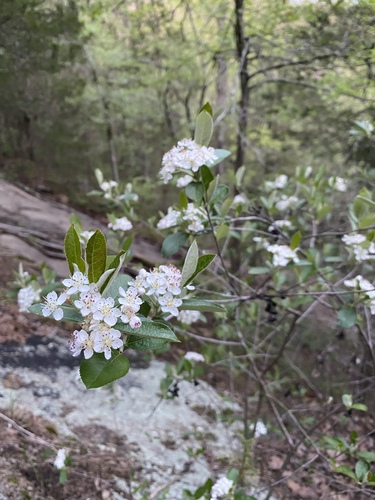
Aronia, Genus, arbutifolia, Species,
- Genus & species
red chokeberry
Overview
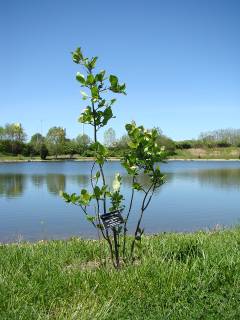
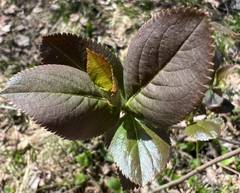
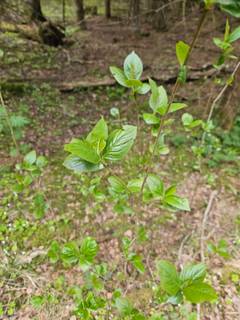
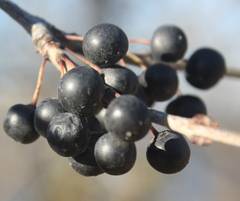
Aronia arbutifolia is a deciduous shrub of the rose family native to wet woods, swamps, bogs, and moist thickets of eastern North America. It grows 6-10 feet (1.8-3 m) tall and 3-5 feet (0.9-1.5 m) wide in an upright, multi-stemmed, somewhat leggy clump that suckers to form colonies. The oval leaves are 1.5-3 inches (4-8 cm) long, dark green and slightly fuzzy beneath, turning bright red in autumn. In mid to late spring it bears flat clusters of small white to pale pink five-petaled flowers with reddish anthers, drawing bees and other pollinators. These ripen into glossy red berries about 0.25 inch (6 mm) wide that hang in clusters from late summer well into winter. The fruit is astringent and sour, sparingly eaten by birds and persisting on the branches, which extends its winter interest. The plant tends to grow open and bare at the base, so it is often massed or underplanted to hide leggy stems. It tolerates wet ground, drought, and poor soils. In cultivation it is used in shrub borders, rain gardens, wildlife plantings, and naturalized masses.
Native Range
Native to eastern North America, from Nova Scotia and Ontario south to Florida and east Texas. It grows in wet woods, swamps, bogs, pond margins, and moist thickets, and tolerates drier upland soils.Suggested Uses
Used in shrub borders, rain gardens, wildlife and pollinator plantings, and naturalized masses on moist or poor ground. Its persistent red fruit and fall color suit hedgerows and mixed screens.How to Identify
Appearance
Size & Dimensions
Height6' - 10'
Width/Spread3' - 5'
Bloom Information
Flat clusters of small white to pale pink flowers open in mid to late spring, April to May, with reddish anthers. They draw bees and other pollinators. Red berries follow by late summer and persist into winter.
Detailed Descriptions
Flower Description
white to pale pinkFoliage Description
dark greenGrowing Conditions
Sun Requirements
Requires 4-12 hours of direct sunlight daily
• Full Sun: 6+ hours of direct sunlight
• Partial Shade: 3-6 hours of direct sunlight
• Full Shade: Less than 3 hours of direct sunlight
Care & Maintenance
Care Guide
Grow in full sun to part shade in moist, acidic, well-drained soil; the species adapts to wet ground, clay, drought, and poor soils. Fruiting and red fall color are strongest in full sun. Water during establishment, after which it tolerates both flooding and dry spells. It suckers into colonies that can be left to spread or dug out to limit width. Prune out old or weak stems and root suckers in late winter to renew the clump and reduce legginess. Hardy in USDA zones 4-9.Pruning
Prune in late winter while dormant, removing the oldest stems at the base to renew the clump and cutting back suckers to control spread. Thinning crowded stems improves form and air circulation. Plants tolerate hard rejuvenation pruning and resprout readily.Pruning Schedule
Prune: February–March
winter
Container Growing
Suitable for container growing
Minimum container size: 7 gallons