Image 1 of 3
1 / 3
Plant Reference
Viburnum, Genus, opulus, Species, 'Nanum', Cultivar,
- Genus & species
- Cultivar
dwarf European cranberry bush
Species {V. opulus} native to Europe, northern Asia, and northern Africa; 'Nanum' is a dwarf cultivar selection introduced to cultivation in the 19th century
Overview
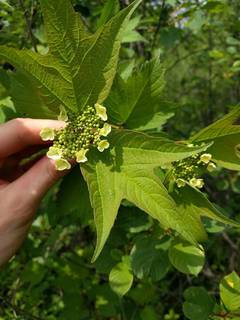
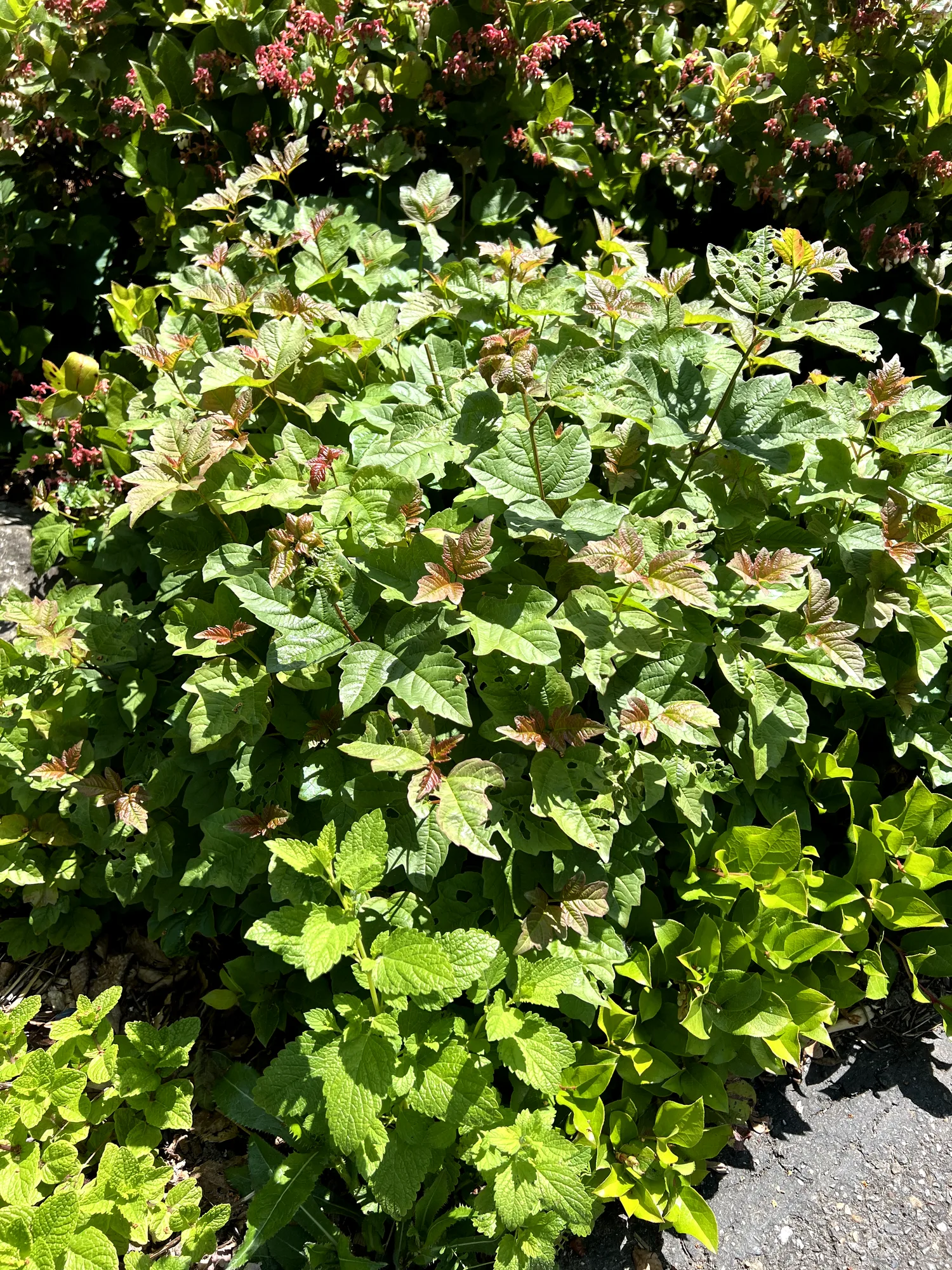
Viburnum opulus 'Nanum' is a compact dense mounding deciduous shrub in the family Adoxaceae reaching only 1.5–3 feet (45–90 cm) tall and 2–3 feet (0.6–0.9 m) wide at maturity — a small fraction of the 8–15 foot (2.4–4.5 m) size of the species type. Leaves are opposite, simple, 3-lobed and maple-like in outline, 1–2 inches (2.5–5 cm) across (about half the size of the species leaves), and dark green through the growing season before turning red to burgundy in fall. The cultivar seldom flowers in cultivation and produces no fruit, which makes it a foliage and form plant rather than an ornamental chosen for bloom or berries. Occasional stray flowers may appear in May on mature plants but consistent bloom is not expected, and the compact mound of maple-like foliage and the fall color are the design features of the selection. 'Nanum' has been in cultivation since the 19th century and was originally selected from a European nursery seedling population as a dwarf sport of the species type. The small size and the dense mounding habit suit the cultivar to low edging, dwarf hedging, foundation plantings along walkways, and container culture in pots of at least 5 gallons (19 L) with a well-drained soil mix. Limitation: the compact dense habit that is the main ornamental feature of the cultivar opens and loosens in heavy shade or in hot humid summer conditions, and the loss of compactness is the primary aesthetic failure mode for the selection; full sun with 6 or more hours of direct light and consistent summer soil moisture hold the dense form through the growing season. Viburnum leaf beetle (Pyrrhalta viburni) is a significant pest of all V. opulus cultivars and skeletonizes the foliage through the growing season, and 'Nanum' carries the same high susceptibility as the species type: seasonal inspection for egg cavities on young twig tips in fall and winter, removal of infested twig tips before spring larval emergence, and hand-picking of larvae and adults through the growing season are the management options on small plantings.
Native Range
The species V. opulus is native to Europe, northern Asia, and northern Africa, growing in damp woodlands, hedgerows, and wetland edges. 'Nanum' is a dwarf cultivar selection originally raised in European nursery populations in the 19th century and propagated vegetatively by cuttings and layers ever since.Suggested Uses
Used as a low edging along walkways and garden bed margins, a dwarf hedge at 2–3 foot (0.6–0.9 m) spacing, a foundation plant against low walls and beneath windows, and a container specimen in pots of at least 5 gallons (19 L) with well-drained potting mix. The compact dense mound of dark green maple-like foliage and the red to burgundy fall color are the design features, and the cultivar suits formal parterre edging and small-scale designs where the species type would be too large. Wildlife plantings where flower and berry production are design goals are unsuitable because the cultivar rarely flowers and produces no fruit.How to Identify
Appearance
Size & Dimensions
Height1'6" - 3'
Width/Spread2' - 3'
Bloom Information
The cultivar seldom flowers in cultivation and no consistent bloom period is expected. Occasional stray flowers in May may appear on mature plants, and no fruit set follows. 'Nanum' is grown for the compact mound of dark green 3-lobed foliage and the red to burgundy fall color rather than for flowers or berries.
Detailed Descriptions
Flower Description
rarely flowers in cultivation; the dwarf form is selected for foliage and compact habit rather than bloomFoliage Description
dark green on the upper surface; opposite, simple, 3-lobed (maple-like), 1-2 inches (2.5-5 cm) across — about half the leaf size of the species type; turns red to burgundy in fall before leaf dropGrowing Conditions
Sun Requirements
Requires 4-8 hours of direct sunlight daily
• Full Sun: 6+ hours of direct sunlight
• Partial Shade: 3-6 hours of direct sunlight
• Full Shade: Less than 3 hours of direct sunlight
Care & Maintenance
Care Guide
Site in full sun with 4–8 hours of direct sun per day (6 or more hours holds the densest compact habit) in moist well-drained soil with a pH of 5.5–7.5. The cultivar is not drought-tolerant and calls for consistent summer soil moisture; heavy shade and hot humid summer conditions open and loosen the compact habit that is the main ornamental feature, and the dense mound holds together in full sun positions with adequate moisture. Viburnum leaf beetle (Pyrrhalta viburni) is the main pest concern for all V. opulus cultivars, and 'Nanum' carries the same high susceptibility as the species type: egg cavities on young twig tips are inspected in fall and winter, infested tips are removed and destroyed before larval emergence in spring, and larvae and adults are hand-picked through the growing season on small plantings. Hardy in USDA zones 3–8.Pruning
Pruning is done in early spring (February and March) while the plants are dormant. A light shearing shapes the mound and removes any winter-damaged tips, and the dense habit develops naturally in full sun positions without heavy pruning. Dead or damaged stems can be removed at any season. The slow growth rate of the cultivar keeps the plant at the intended size over many years without the renewal pruning needed for faster-growing shrubs.Pruning Schedule
Prune: February–March
early spring
Container Growing
Suitable for container growing
Minimum container size: 5 gallons