Veronica, Genus, plebeia, Species,
- Genus & species
Australian speedwell
Overview
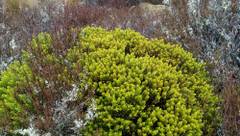
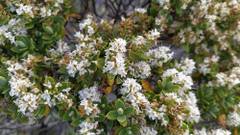
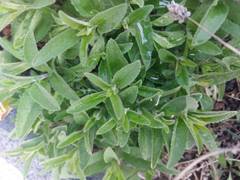
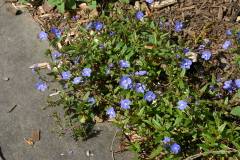
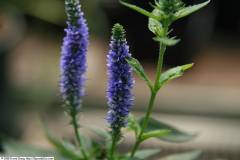
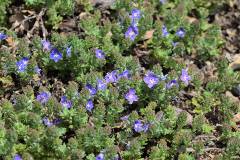
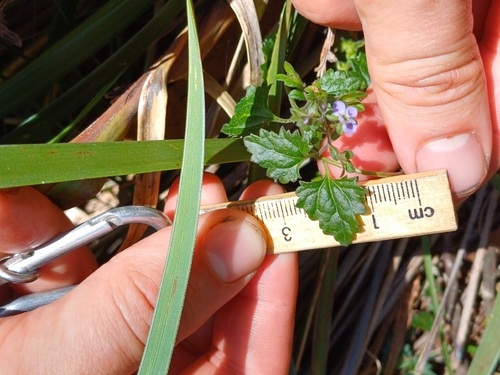
A low, trailing perennial herb forming loose mats 2-6 inches (5-15 cm) tall and spreading 12-24 inches (30-60 cm) wide by creeping, hairy stems that root at the nodes. Leaves opposite, broadly ovate, 0.4-1.2 inches (1-3 cm) long, green, with toothed margins and a softly hairy surface. Flowers small, 0.2-0.3 inch (5-8 mm) across, pale blue to mauve with darker veining, borne singly or in loose clusters on slender stalks from the leaf axils. Flowering occurs spring through summer. Fruit a flattened, heart-shaped capsule about 0.1-0.2 inch (3-5 mm) wide. Spreads steadily over moist ground, rooting as it goes. Foliage thins in dry conditions and after frost.
Native Range
Native to eastern Australia in Queensland, New South Wales, and Victoria. Grows in moist, shaded sites in open forest and woodland and along creek banks, and as a weed of lawns and gardens on a range of soils.Suggested Uses
Used as a low groundcover in moist, shaded borders and between paving at 8-12 inch (20-30 cm) spacing. Suits informal and native gardens where its spreading habit can fill gaps. Its self-seeding habit can make it a weed in lawns and formal beds.How to Identify
Appearance
Size & Dimensions
Height2" - 6"
Width/Spread1' - 2'
Bloom Information
Flowers spring through summer, with scattered flowers at other times in mild climates. The small pale blue flowers open a few at a time over an extended period. Each flower lasts only a day or two. Flowering is heaviest in moist, mild conditions.
Detailed Descriptions
Flower Description
Pale blue to mauveFoliage Description
GreenGrowing Conditions
Sun Requirements
Requires 2-6 hours of direct sunlight daily
• Full Sun: 6+ hours of direct sunlight
• Partial Shade: 3-6 hours of direct sunlight
• Full Shade: Less than 3 hours of direct sunlight
Care & Maintenance
Care Guide
Water to keep the soil moist; growth slows and stems thin under drought. Grows in part shade to full shade and tolerates morning sun in cooler areas. Adapts to most soils with reasonable moisture. Spreads by rooting stems and self-seeds, appearing in lawns and garden beds. Foliage dies back in hard frost and regrows in spring. No fertilizer is needed in average soils.Pruning
Trim or mow to keep the mat low and contain its spread; growth recovers from the rooting nodes. Remove stems creeping beyond the intended area. Cut back frost-damaged growth in late winter. No structural pruning is required.Pruning Schedule
Prune: August
winter
Container Growing
Suitable for container growing
Minimum container size: 1 gallons