Veronica, Genus, spp., Multiple species,
- Genus
- Multiple species
speedwells
Temperate Northern Hemisphere, mainly Europe and Asia
Overview
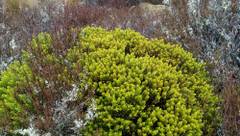
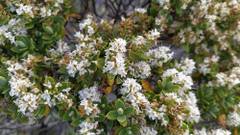
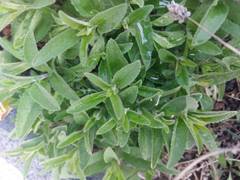
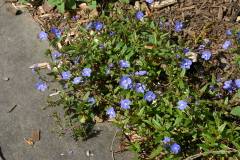
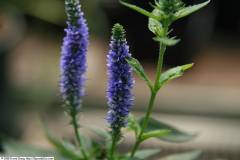
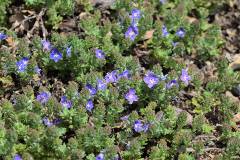
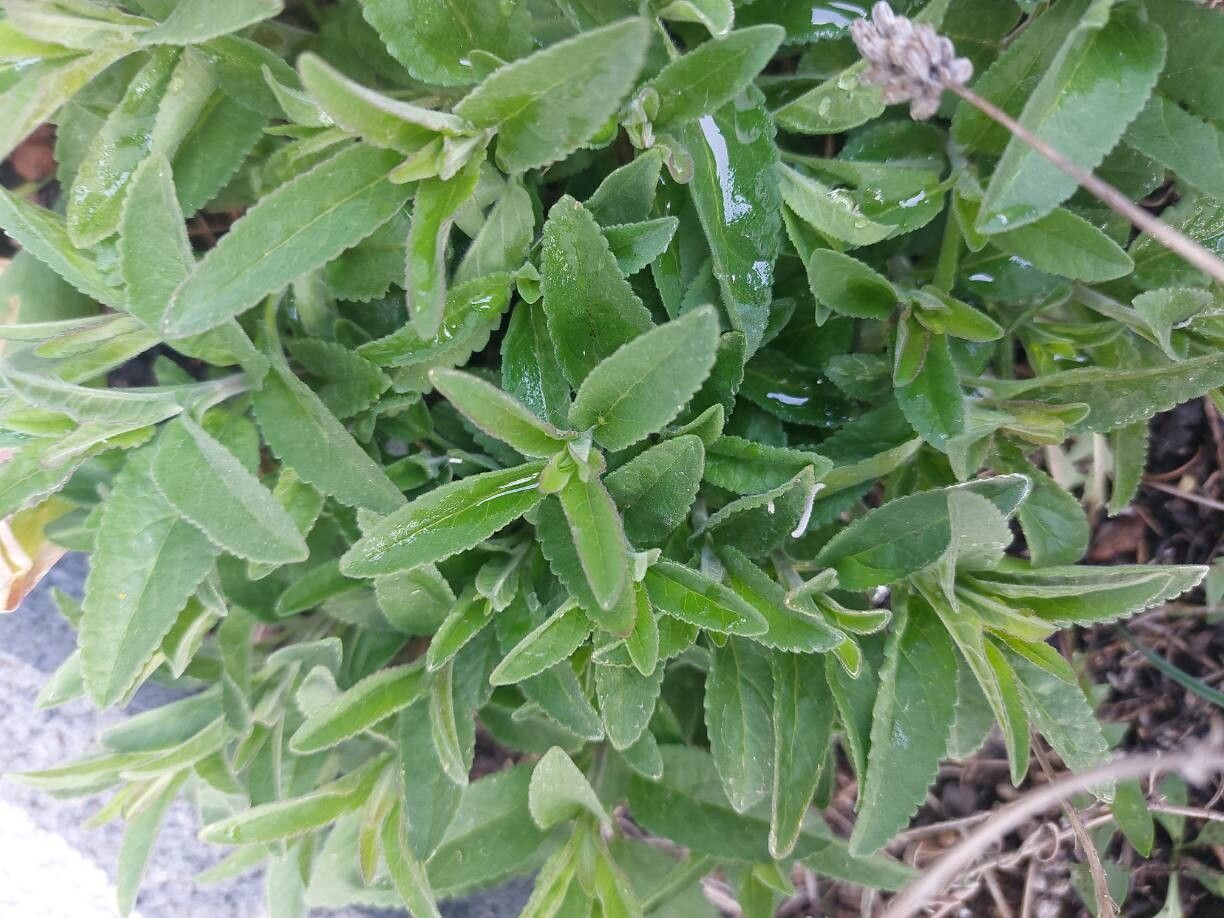
Veronica is a genus of about 500 species in the family Plantaginaceae, made up of herbaceous annuals and perennials with a smaller number of low subshrubs, distributed mainly across the temperate Northern Hemisphere. Habit ranges widely, from creeping mats such as V. prostrata at 4 to 8 inches (10 to 20 cm) tall to upright clumps such as V. spicata reaching 1 to 3 feet (30 to 90 cm). The leaves are usually opposite, simple, and toothed, 0.5 to 3 inches (1 to 8 cm) long. Small flowers, each with four unequal lobes and two protruding stamens, are carried in dense terminal spikes or loose axillary racemes in shades of blue, violet, purple, pink, and white. The main flush runs from late spring through summer, with some species reblooming after shearing. A few species, such as V. filiformis, spread aggressively and are common lawn weeds. Foliage on the border species can brown at the base in dry spells, and the mat-forming types may rot in wet winter soil.
Native Range
Veronica is centered on the temperate regions of Europe and Asia, with species extending into North Africa, North America, and the Southern Hemisphere mountains. North American natives such as V. americana grow along streams and wet ground across much of the continent.Suggested Uses
Upright speedwells are grown in mixed and perennial borders and as cut flowers, spaced 12 to 18 inches (30 to 45 cm) apart. Creeping species are used as groundcover, in rock gardens, and between paving, where they tolerate light foot traffic. The flowers draw bees and butterflies through summer.How to Identify
Appearance
Size & Dimensions
Height6" - 3'
Width/Spread1' - 3'
Bloom Information
Most Veronica bloom from late spring through midsummer, roughly May to August, with spikes opening from the base upward over 4 to 6 weeks. Shearing spent spikes can bring a lighter second flush in late summer. Creeping species flower earlier, often peaking in May.
Detailed Descriptions
Flower Description
blue, violet, purple, pink, or whiteFoliage Description
greenGrowing Conditions
Sun Requirements
Requires 6-8 hours of direct sunlight daily
• Full Sun: 6+ hours of direct sunlight
• Partial Shade: 3-6 hours of direct sunlight
• Full Shade: Less than 3 hours of direct sunlight
Care & Maintenance
Care Guide
Most Veronica grow in full sun on moderately fertile, well-drained soil at pH 6.0 to 7.5, and the upright species flower poorly in shade. Plants are hardy across USDA zones 3 to 8 and need consistent moisture during bloom, though the mat-forming species fail in wet winter soil. Water during extended drought, as heat and dryness can scorch the foliage. Cut spent spikes to tidy the plants and prompt rebloom. Divide clumps every three to four years to keep them growing strongly. Downy mildew and leaf spot can appear in crowded, humid plantings.Pruning
Shear upright Veronica after the first bloom to remove spent spikes and prompt a second flush. Cut the whole plant to the ground in late autumn or early spring once growth has died back. Trim creeping species lightly after flowering to keep the mats dense.Pruning Schedule
Prune: September–October
fall
Container Growing
Suitable for container growing
Minimum container size: 1 gallons