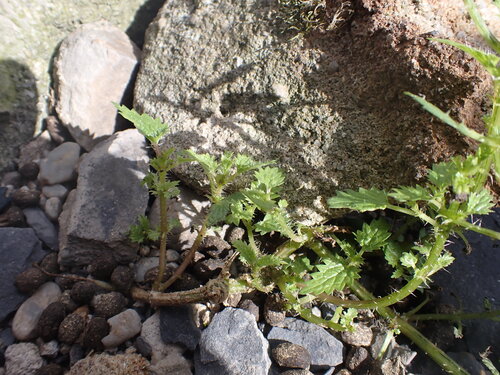
Urtica, Genus, incisa, Species,
- Genus & species
scrub nettle
Overview
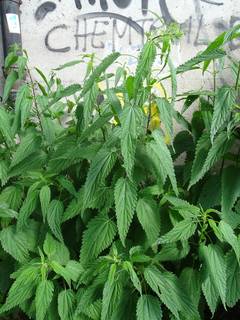
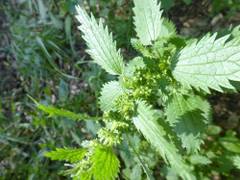
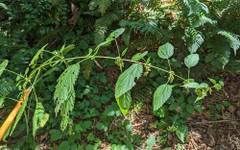
Urtica incisa is a perennial herb in the Urticaceae family growing 2-5 feet (0.6-1.5 m) tall, with upright stems rising from a spreading rootstock. The opposite leaves are lance-shaped to oval, 1-4 inches (2.5-10 cm) long, with coarsely toothed margins, and both the leaves and stems carry stinging hairs that release an irritant on contact, raising a burning rash. Small greenish flowers without petals hang in slender clusters from the leaf axils through spring and summer, the male and female flowers usually separate. Dry one-seeded fruit follow. Growth is rapid in moist, fertile soil, and the plant spreads by seed and by creeping rhizomes to form patches. The top growth dies back in dry or cold conditions and reshoots from the rootstock. The stinging hairs cause skin irritation that can last from minutes to hours.
Native Range
Native to Australia and New Zealand, occurring across the eastern and southern states from Queensland to Tasmania and South Australia. Grows in moist, shaded gullies, forest margins, and along creeks in fertile soils, often in disturbed ground.Suggested Uses
Grown in habitat and butterfly gardens, where the foliage feeds native butterfly caterpillars, and in moist shaded corners. The young shoots are cooked as a leaf vegetable once the sting is destroyed by heat. The stinging hairs and spreading habit limit its use near paths and seating areas.How to Identify
Appearance
Size & Dimensions
Height2' - 5'
Width/Spread2' - 4'
Bloom Information
Detailed Descriptions
Foliage Description
greenGrowing Conditions
Sun Requirements
Tolerates up to 4 hours of direct sunlight daily
• Full Sun: 6+ hours of direct sunlight
• Partial Shade: 3-6 hours of direct sunlight
• Full Shade: Less than 3 hours of direct sunlight
Care & Maintenance
Care Guide
Grows in part shade to full shade on moist, fertile soil, often in disturbed gullies and along creeks. Water to maintain steady soil moisture; the top growth dies back under drought and reshoots after rain. The stinging hairs on the leaves and stems cause a burning skin rash on contact. The plant spreads by seed and creeping rhizomes and can form dense patches in damp ground. Caterpillars of several native butterflies feed on the foliage.Pruning
Cut stems back to ground level in late autumn or winter once the top growth dies down, as the rootstock reshoots in spring. Removing flower clusters before they seed reduces spread. The stinging hairs stay active on cut and wilting stems for some time.Pruning Schedule
Prune: May–June
fallwinter