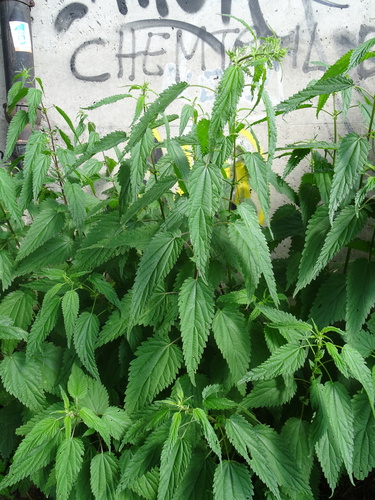
Urtica, Genus, spp., Multiple species,
- Genus
- Multiple species
nettles
Overview
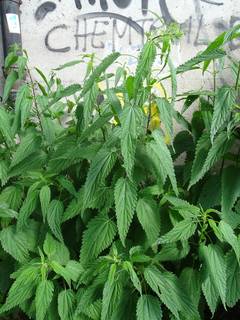
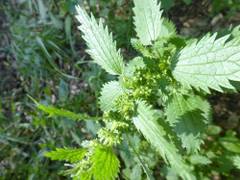
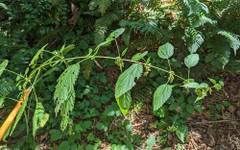
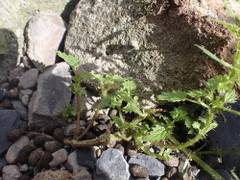
Urtica is a genus of about 45 species of annual and perennial herbs in the family Urticaceae, distributed across temperate regions worldwide. Plants have erect, four-angled stems 0.3-2 m (1-6.5 ft) tall and opposite, toothed, heart- to lance-shaped leaves. The whole plant is covered in stinging hairs that act like tiny needles, injecting a mix of compounds that cause a burning, itching welt on contact. Tiny greenish flowers hang in branched catkin-like clusters from the leaf axils, the plants usually bearing separate male and female flowers. U. dioica, stinging nettle, is a rhizomatous perennial that forms large patches in rich, disturbed ground across the Northern Hemisphere. Despite the sting, young nettle leaves are eaten cooked and used in soups and teas, and the stems yield a strong fibre. The genus spreads aggressively by seed and creeping rhizomes and is a common weed of waste places, hedgerows, and stream banks. Nettles are larval food for several butterfly species.
Native Range
Distributed across temperate regions of both hemispheres, including Europe, Asia, North Africa, and the Americas. U. dioica is native across Eurasia and has subspecies native to North America. The genus grows in rich, moist, disturbed ground such as woodland edges, ditches, and farmyards.Suggested Uses
Grown in wildlife gardens as larval food for butterflies, and in kitchen and herb gardens for the cooked young leaves and fibre. A confined bed or container limits the aggressive spread in managed gardens.How to Identify
Appearance
Size & Dimensions
Height1' - 6'6"
Width/Spread1' - 3'
Bloom Information
Flowering occurs from late spring through summer, generally June to September, with inconspicuous greenish flowers in hanging clusters. The flowers are wind-pollinated and produce abundant tiny seeds. Bloom and seeding continue over a long period in warm conditions.
Detailed Descriptions
Foliage Description
dark greenGrowing Conditions
Sun Requirements
Requires 4-8 hours of direct sunlight daily
• Full Sun: 6+ hours of direct sunlight
• Partial Shade: 3-6 hours of direct sunlight
• Full Shade: Less than 3 hours of direct sunlight
Care & Maintenance
Care Guide
Nettles grow in full sun to part shade in rich, moist, nitrogen-heavy soil and grow strongly in disturbed and fertile ground. They are hardy across the temperate zone, with U. dioica tolerating -30 C (-22 F) and dying back to rhizomes in winter. Plants spread quickly by seed and creeping roots and can dominate fertile ground. The stinging hairs make contact hazardous to skin. Cutting before seed set is the main way spread is limited.Pruning
Plants are cut to the ground before flowering to limit seed spread and to produce a flush of tender new leaves for harvest. Repeated cutting through the season weakens established patches. Rhizomes are dug out to clear nettles from a site.Pruning Schedule
Prune: May–June
late spring
Container Growing
Suitable for container growing
Minimum container size: 3 gallons