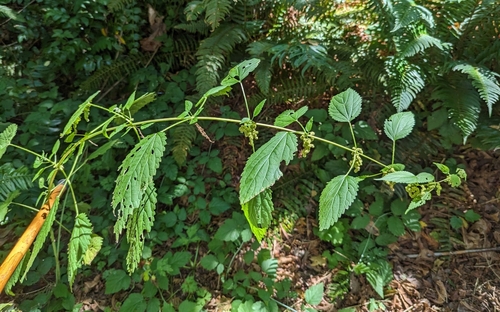
Urtica, Genus, gracilis, Species,
- Genus & species
slender stinging nettle
Overview
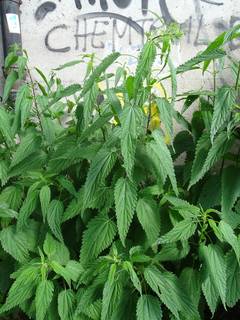
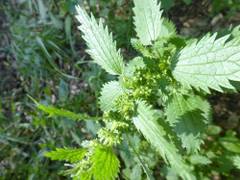
Urtica gracilis is an upright, rhizomatous perennial growing 3-7 feet (90-210 cm) tall, forming colonies by creeping underground stems. The square stems and opposite, lance-shaped to heart-based leaves, 2-6 inches (5-15 cm) long with coarsely toothed margins, are armed with stinging hairs that inject an irritant on contact, causing a burning rash. From June to September, small greenish flowers hang in branched, drooping clusters from the upper leaf axils; male and female flowers usually occur on separate plants. The wind-pollinated flowers are inconspicuous and produce tiny seeds. Native across much of North America, U. gracilis grows in moist, fertile ground along streams, ditches, floodplains, woodland edges, and disturbed sites. It spreads aggressively by rhizome and can form dense stands that exclude other plants. The stinging hairs make it hazardous to handle, though the young foliage is edible once cooked or dried, and the plant is a larval host for several butterflies including red admirals and tortoiseshells. It dies back in winter and resprouts from the roots in spring, and is hardy to USDA zone 3.
Native Range
Native to much of North America, from Alaska and Canada south through the United States into Mexico. Grows in moist, nutrient-rich soils along watercourses, in floodplains, ditches, and disturbed ground.Suggested Uses
Grown in wildlife and butterfly gardens, damp wild corners, and as a foraged edible and fiber plant, where its sting and spread can be managed. Kept behind root barriers and away from paths, it supports butterfly larvae and is cut young for cooking.How to Identify
Appearance
Size & Dimensions
Height3' - 7'
Width/Spread2' - 4'
Bloom Information
Small greenish flowers open from June to September in drooping axillary clusters. Male and female flowers usually grow on separate plants and are wind-pollinated. The tiny seeds ripen through late summer and autumn.
Detailed Descriptions
Foliage Description
GreenGrowing Conditions
Sun Requirements
Requires 4-8 hours of direct sunlight daily
• Full Sun: 6+ hours of direct sunlight
• Partial Shade: 3-6 hours of direct sunlight
• Full Shade: Less than 3 hours of direct sunlight
Care & Maintenance
Care Guide
Urtica gracilis grows in full sun to partial shade in moist, fertile soil across a pH of 5.5 to 7.5, and tolerates seasonally wet ground. It takes steady moisture and rich, nitrogen-heavy soil. The plant is hardy to USDA zone 3 and dies back each winter, resprouting from rhizomes in spring. It spreads aggressively, so root barriers or removal of runners keep a stand contained. The stinging hairs cause a painful rash on bare skin contact. It has few pests and needs no fertilizer.Pruning
Cut the stems to the ground in late winter or after flowering to control spread and limit seeding. Cutting young growth in spring encourages tender shoots used as a cooked green. Removing rhizomes at the edges keeps the colony from widening.Pruning Schedule
Prune: February–March
winter