Ursinia, Genus, spp., Multiple species,
- Genus
- Multiple species
paraseeds
Overview
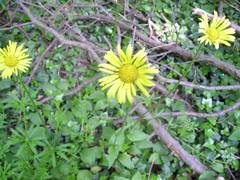
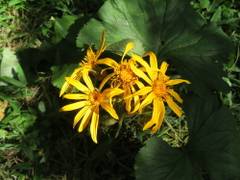
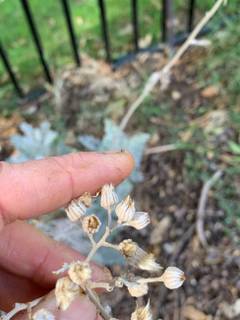
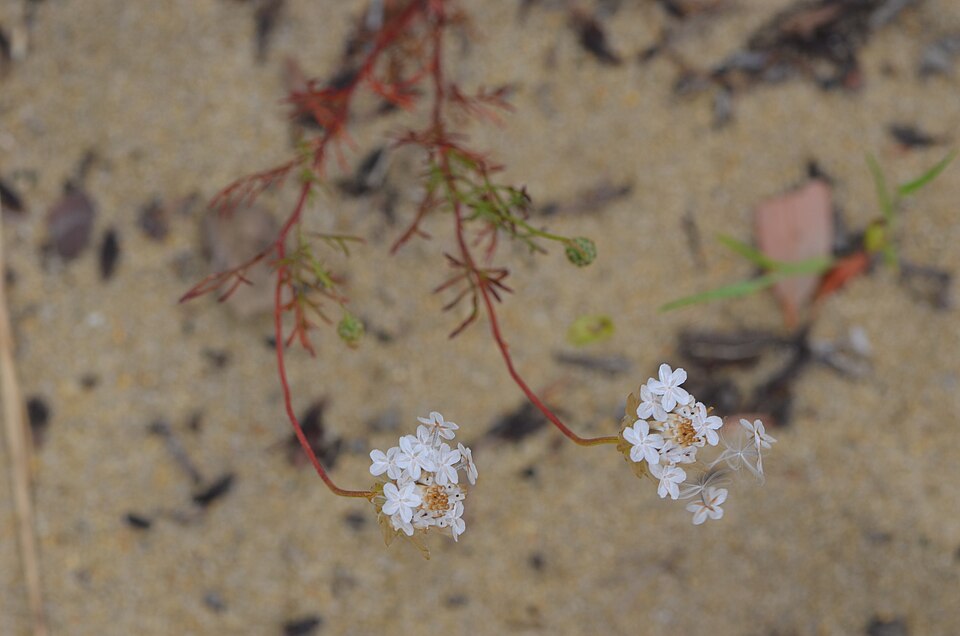
Ursinia is a genus of about 40 annuals, perennials, and small subshrubs in the daisy family (Asteraceae), native chiefly to South Africa, with a few species reaching tropical East Africa. Plants range from compact, mounded annuals 6-12 inches (15-30 cm) tall to woody-based perennials and subshrubs reaching 24 inches (60 cm), generally as wide as tall. The leaves are finely divided into narrow, almost ferny segments, often aromatic when bruised, and mostly crowded toward the base. Solitary daisy flower heads 1-2.5 inches (2.5-6 cm) across are carried on slender stalks in orange, yellow, cream, or white, frequently with a contrasting dark ring around the central disc and a metallic sheen on the petal backs. The flowers open in sun and close in dull weather. Seeds carry papery, parachute-like scales that aid wind dispersal and give the plants the common name parachute daisy. The genus grows on sandy, fast-draining soils in open, sunny habitats and tolerates heat and drought. Most species are frost-tender and short-lived, and the annual kinds are grown as warm-season bedding from seed sown each year.
Native Range
Native mainly to South Africa, especially the winter-rainfall Cape and Karoo, with a few species in tropical East Africa, on sandy flats and open, stony slopes.Suggested Uses
Grown as warm-season bedding and in containers, gravel gardens, and dry sunny borders for bright daisy color. The genus suits Mediterranean and coastal plantings and combines with other South African annuals. Cut flowers last a few days in water.How to Identify
Appearance
Size & Dimensions
Height6" - 2'
Width/Spread8" - 1'6"
Bloom Information
Detailed Descriptions
Flower Description
orange, yellow, cream, or white with a dark ringFoliage Description
greenGrowing Conditions
Sun Requirements
Requires 6-12 hours of direct sunlight daily
• Full Sun: 6+ hours of direct sunlight
• Partial Shade: 3-6 hours of direct sunlight
• Full Shade: Less than 3 hours of direct sunlight
Care & Maintenance
Care Guide
Grows in full sun on light, sharply drained sandy soil with a pH near 6.0-7.5. Established plants are drought tolerant and need little water beyond dry spells. Rich or wet soil produces soft growth and few flowers, and waterlogging in winter rots the roots of perennial species. Seed is sown indoors about 6 weeks before the last frost or direct-sown once the soil warms. Removing faded heads prolongs flowering through the season. No feeding is needed on average soils.Pruning
Faded flower heads are removed regularly to extend bloom and limit self-sowing. Annual plants are pulled at the end of the season once they decline. Subshrubby perennials are trimmed lightly in spring to remove old flowering stems.Pruning Schedule
Prune: June–August
summer
Container Growing
Suitable for container growing
Minimum container size: 2 gallons
Toxicity
Non-toxicPlanting Guide
Planting Methods & Timing
Planting Method
both
Indoor Start
6 weeks before last frost
Direct Sow Timing
after the last frost when soil is warm
Days to Maturity
70–100 days
Plant Spacing
10 inches