Image 1 of 13
1 / 13
Plant Reference
Tsuga, Genus, heterophylla, Species,
- Genus & species
western hemlock
Alaska south through British Columbia, Washington, Oregon, and into northern California; moist to wet coniferous forests; the dominant climax conifer of the Pacific Northwest maritime zone
Overview
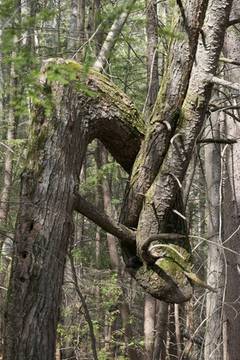
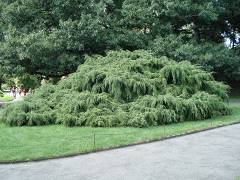
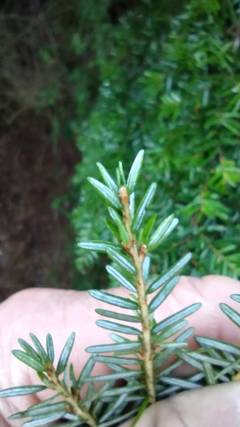
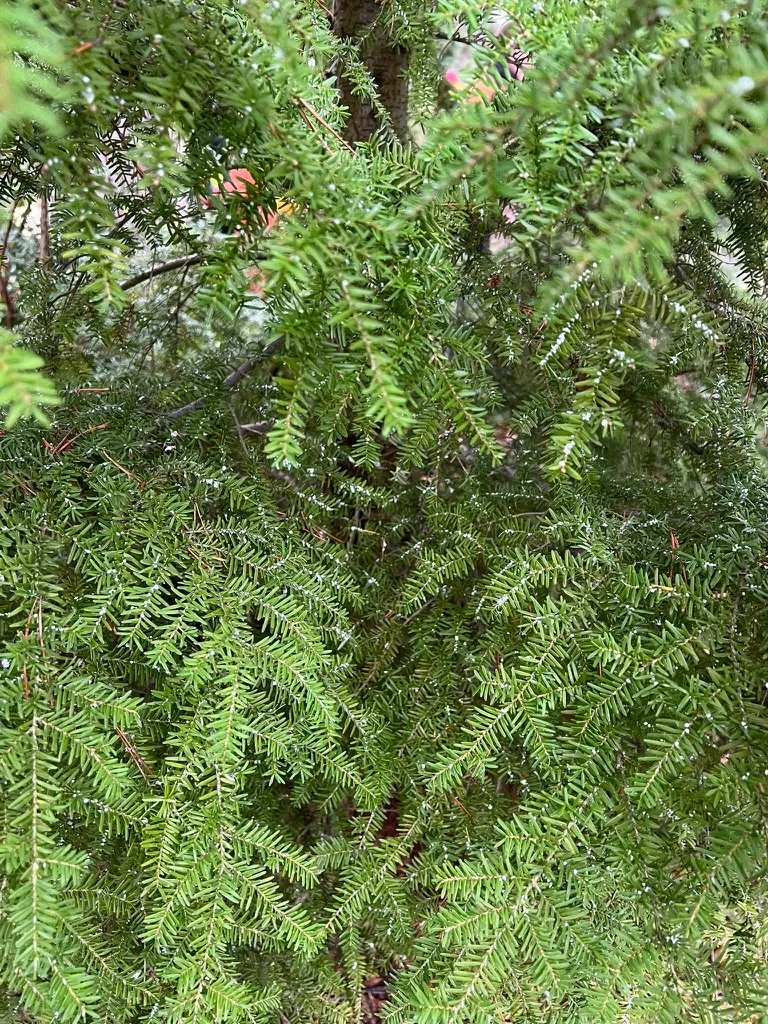
Tsuga heterophylla is an upright pyramidal coniferous evergreen tree growing 100-200 feet (30-60 m) tall and 20-40 feet (6-12 m) wide. Dark green flat needles of unequal length on the same branchlet, 0.2-0.8 inch (5-20 mm), are arranged in two irregular ranks; the specific epithet heterophylla means diverse-leaved and refers to this characteristic. The species is the state tree of Washington and is the dominant climax conifer of the Pacific Northwest maritime zone. Shade tolerance is higher than most North American conifers, and seedlings establish under dense canopy where other species fail. Three diagnostic traits separate T. heterophylla from other conifers in its range: the nodding terminal leader, unequal needle lengths on the same branchlet, and small pendant cones (0.6-1 inch / 1.5-2.5 cm) that are smaller than on other native Pacific Northwest hemlocks. The common name refers to the scent of crushed foliage, which resembles poison hemlock — the two plants are unrelated, and T. heterophylla is non-toxic. The species is sensitive to drought, hot dry winds, and air pollution. Hemlock woolly adelgid is a concern in the eastern part of its range. The massive mature size (100-200 feet / 30-60 m) is not appropriate for residential landscapes. Deer-resistant.
Native Range
Native from Alaska south through British Columbia, Washington, Oregon, and into northern California. Found in moist to wet coniferous forests. The dominant climax conifer of the Pacific Northwest maritime zone.Suggested Uses
Grown as a native specimen tree, screen, or sheared hedge in cool moist sites of the Pacific Northwest, spaced 20-40 feet (6-12 m) apart. Massive mature size — not suited to residential lots. Not drought-tolerant. Mature size exceeds typical container dimensions. Non-toxic. Hardy in zones 5-9.How to Identify
Appearance
Size & Dimensions
Height100' - 200'
Width/Spread20' - 40'
Reproduction
Monoecious. Small yellow male strobili and small reddish-purple female cones at branch tips in April-May. Small pendant brown cones, 0.6-1 inch (1.5-2.5 cm), ripen September-October. Wind-pollinated. Crossbills and siskins feed on the seeds.
Detailed Descriptions
Foliage Description
dark green above with two white stomatal bands beneath; flat needles of unequal length on the same branchlet (heterophylla = diverse-leaved), ranging from 0.2-0.8 inch (5-20 mm), arranged in two irregular ranks; the unequal needle lengths are diagnostic; reddish-brown to gray furrowed bark with cinnamon-red inner bark visible in fissuresGrowing Conditions
Sun Requirements
Requires 1-12 hours of direct sunlight daily
• Full Sun: 6+ hours of direct sunlight
• Partial Shade: 3-6 hours of direct sunlight
• Full Shade: Less than 3 hours of direct sunlight
Care & Maintenance
Care Guide
Site in full shade to full sun (1-12 hours direct sun) in moist well-drained acidic soil with a pH of 4.5-6.5. Sensitive to drought, hot dry winds, and air pollution; the species is not drought-tolerant and has high water needs. Hemlock woolly adelgid is a concern in the eastern part of the range. The massive mature size requires large-scale landscapes. Non-toxic. Deer-resistant. Hardy in zones 5-9.Pruning
Tolerates shearing — used as a sheared hedge in cool moist climates. Prune in late spring (April). Hemlock regenerates from cuts into old wood, a trait not shared by most conifers. Remove dead or damaged branches as they appear.Pruning Schedule
Prune: April
late spring