Image 1 of 14
1 / 14
Plant Reference
Tsuga, Genus, mertensiana, Species,
- Genus & species
mountain hemlock
Alaska south through British Columbia, Washington, Oregon to California; subalpine to alpine mountain forests at 3,000-7,500 feet (900-2,300 m) in the Cascades, Olympics, Sierra Nevada, and Coast Ranges
Overview
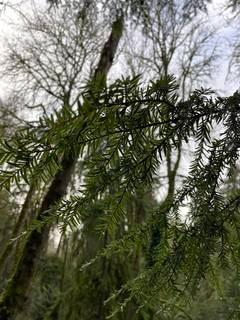
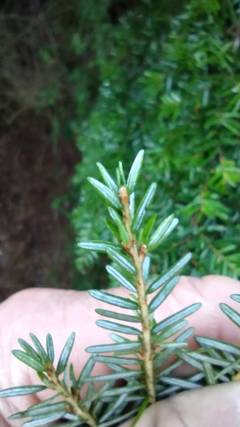
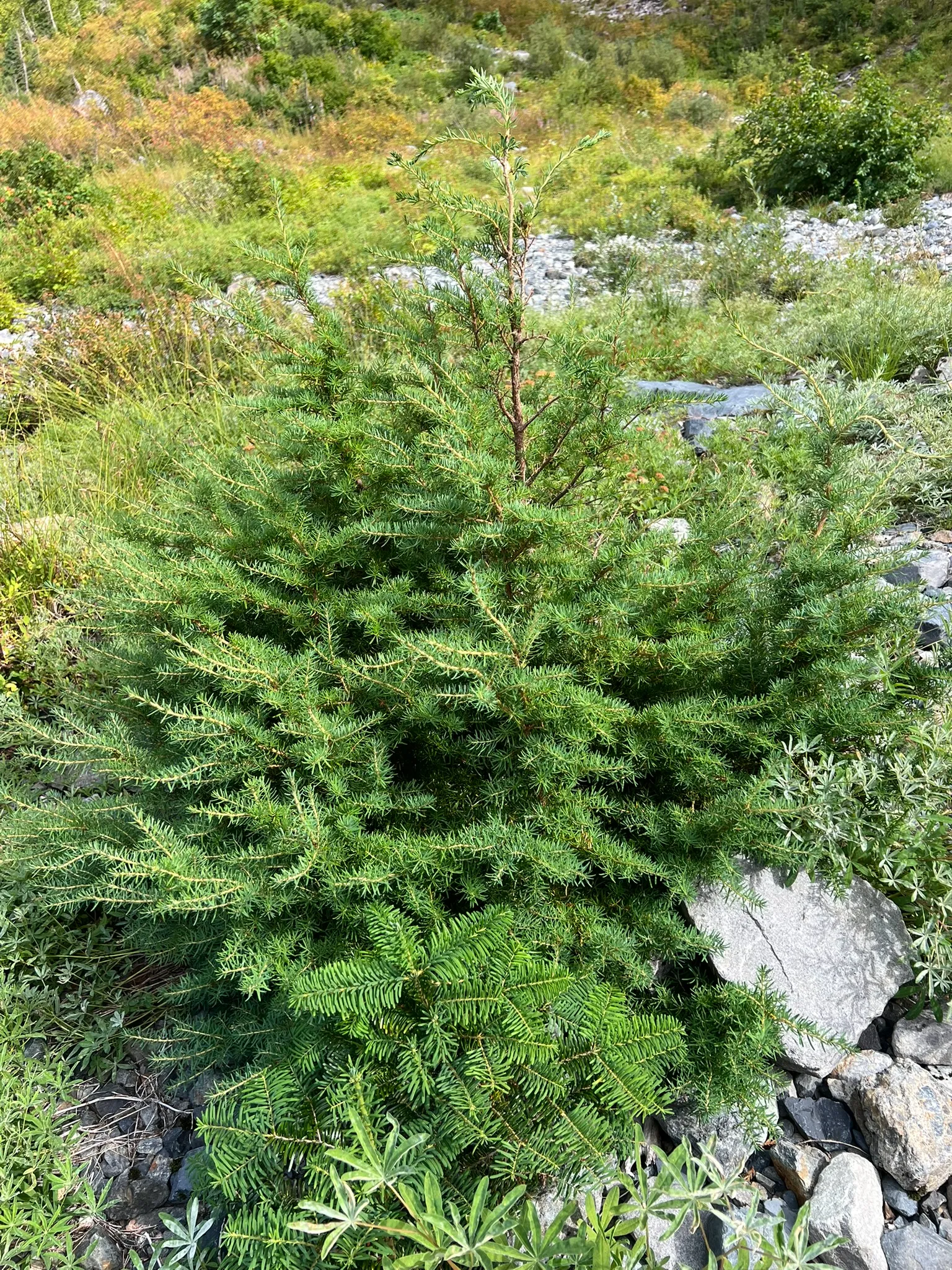
Tsuga mertensiana is mountain hemlock (alpine hemlock), an upright pyramidal evergreen coniferous tree growing 50-100 feet (15-30 m) tall and 15-30 feet (4.6-9 m) wide. Blue-green glaucous needles 0.4-1 inch (10-25 mm) arranged RADIALLY around the stem in a bottle-brush pattern. In Pinaceae. Mertensiana = named for Karl Mertens. A subalpine specialist native at 3,000-7,500 feet (900-2,300 m). Two diagnostic features distinguish T. mertensiana from T. heterophylla: blue-green glaucous radial needles (vs. dark green flat-ranked) and larger cones 1-3 inches (2.5-7 cm) (vs. 0.6-1 inch / 1.5-2.5 cm). The radial arrangement is a snow-shedding adaptation. Shares the nodding terminal leader with T. heterophylla. NOT drought-tolerant. Acidic soil. Slow growth. The slow growth, cool-summer requirement, and moisture requirement are the primary limitations. Non-toxic. Deer-resistant. Zones 4-8. Part sun. Growth rate is slow.
Native Range
Native from Alaska south through British Columbia, Washington, Oregon to California. Found in subalpine to alpine mountain forests at 3,000-7,500 feet (900-2,300 m) in the Cascades, Olympics, Sierra Nevada, and Coast Ranges.Suggested Uses
Grown as a native specimen tree in cool subalpine and montane gardens of the Pacific Northwest, spaced 15-30 feet (4.6-9 m). Subalpine specialist — requires cool summers. Not drought-tolerant. Non-toxic. Not suitable for containers. Zones 4-8.How to Identify
Appearance
Size & Dimensions
Height50' - 100'
Width/Spread15' - 30'
Reproduction
Monoecious. Small purple male strobili and purple female cones at branch tips in June-July. Pendant brown cones 1-3 inches (2.5-7 cm) ripen September-October. Wind-pollinated. Crossbills and Clark's nutcrackers feed on the seeds.
Detailed Descriptions
Foliage Description
Blue-green and glaucous (frosted appearance) — distinct from the dark glossy green of T. heterophylla; needles 0.4-1 inch (10-25 mm), arranged RADIALLY around the stem in a bottle-brush pattern (vs. two flat ranks in other Tsuga); the radial arrangement is a snow-shedding adaptation from the subalpine habitatGrowing Conditions
Sun Requirements
Requires 3-10 hours of direct sunlight daily
• Full Sun: 6+ hours of direct sunlight
• Partial Shade: 3-6 hours of direct sunlight
• Full Shade: Less than 3 hours of direct sunlight
Care & Maintenance
Care Guide
Part sun (3-10 hours). Well-drained acidic soil pH 4.5-6.5. NOT drought-tolerant. Cool-summer climate required — does not perform in hot summer regions. Slow growth rate. Subalpine specialist. Non-toxic. Deer-resistant. Zones 4-8.Pruning
Prune in late spring (April) if needed. The natural pyramidal form develops without intervention. Remove dead or damaged branches only.Pruning Schedule
Prune: April
late spring