Image 1 of 14
1 / 14
Plant Reference
Tsuga, Genus, canadensis, Species,
- Genus & species
eastern hemlock
Eastern North America from Nova Scotia and New England south through the Appalachian Mountains to northern Georgia; sea level to 4,500 feet (1,370 m); a foundational species of cool moist eastern forests
Overview
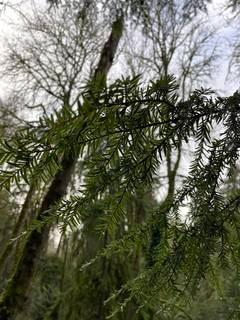
Tsuga canadensis is an upright pyramidal coniferous evergreen tree growing 40-70 feet (12-21 m) tall and 25-35 feet (7.6-10.7 m) wide. Dark green flat needles, 0.3-0.7 inch (8-18 mm), with two white stomatal bands below are held in two horizontal ranks plus a third row of inverted needles along the top of the stem. The nodding terminal leader and pendant branch tips are the primary diagnostic features and give the species its graceful habit — a silhouette not shared by other eastern conifers, which hold their leaders erect. Shade tolerance exceeds that of most other eastern conifers, supporting use beneath tree canopy where pines, spruces, and firs fail to establish. Hemlock woolly adelgid (Adelges tsugae) is the primary mortality threat — an invasive insect that has devastated native stands from Georgia to Maine since the 1980s; without treatment, infested trees die within 4-10 years. Imidacloprid soil drench applied by a qualified arborist gives multi-year protection on landscape specimens. Sensitive to drought, hot dry winds, road salt, and air pollution. Requires acidic soil (pH 4.5-6.5). Hemlock is readily browsed by deer, so the species cannot be assumed deer-resistant. Among cultivated conifers, hemlock and yew are the only evergreens that renew vigorously from cuts into old wood — a trait that historically supported use as a sheared hedge. Non-toxic.
Native Range
Native to eastern North America from Nova Scotia and New England south through the Appalachian Mountains to northern Georgia, from sea level to 4,500 feet (1,370 m). A foundational species of cool moist eastern forests.Suggested Uses
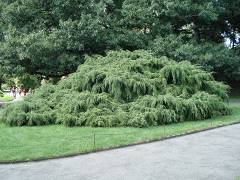
Grown as a native specimen tree, screen, or sheared hedge in cool moist sites, spaced 25-35 feet (7.6-10.7 m) apart. Hemlock woolly adelgid is the primary threat — regional adelgid status should be verified before planting, and ongoing treatment should be planned in affected areas. Not drought-tolerant. Not deer-resistant. Mature size exceeds typical container dimensions. Non-toxic. Hardy in zones 3-8.How to Identify
Appearance
Size & Dimensions
Height40' - 70'
Width/Spread25' - 35'
Reproduction
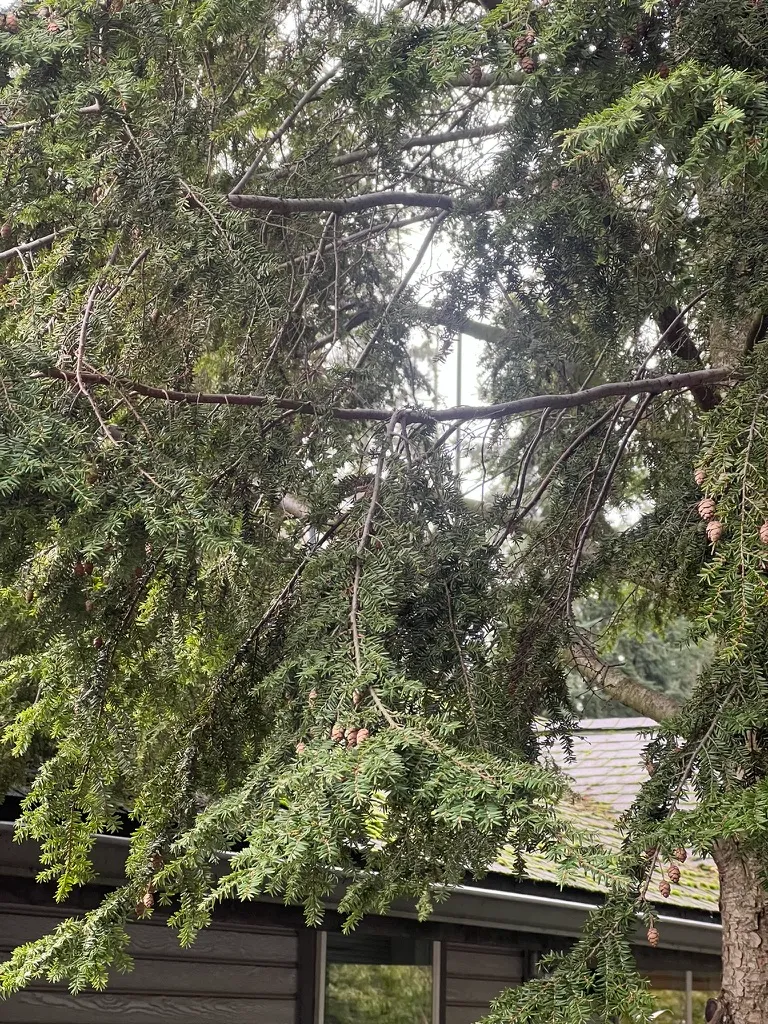
Monoecious. Small yellow male strobili at branch tips and small reddish-purple female cones at branch tips in April-May. Small pendant brown cones, 0.5-1 inch (1.3-2.5 cm), mature in fall.
Detailed Descriptions
Foliage Description
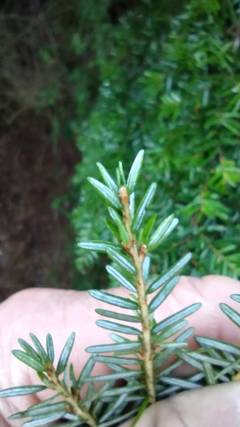
dark green above with two parallel white stomatal bands below; flat needles 0.3-0.7 inch (8-18 mm), short, soft, and flexible, attached to the stem by tiny petioles; needles arranged in two horizontal ranks on lateral branches plus a third row of shorter inverted needles along the top of the stem (the 'banded' appearance), a key diagnostic for TsugaGrowing Conditions
Sun Requirements
Requires 2-10 hours of direct sunlight daily
• Full Sun: 6+ hours of direct sunlight
• Partial Shade: 3-6 hours of direct sunlight
• Full Shade: Less than 3 hours of direct sunlight
Care & Maintenance
Care Guide
Site in part shade to full sun or full shade (2-10 hours direct sun) in well-drained acidic soil with a pH of 4.5-6.5. Sensitive to drought, hot dry winds, road salt, and air pollution. Hemlock woolly adelgid is the primary threat — undersides of twigs are monitored for white woolly egg masses, and infestations are treated with imidacloprid soil drench applied by a qualified arborist. Deer readily browse the foliage. Non-toxic. Hardy in zones 3-8.Pruning
Tolerates shearing, historically used as a sheared hedge. Prune in late spring to summer (May-June). Remove dead or damaged branches as they appear. Hemlock renews from cuts into old wood — a trait shared among cultivated conifers only with yew.Pruning Schedule
Prune: May–June
late springsummer