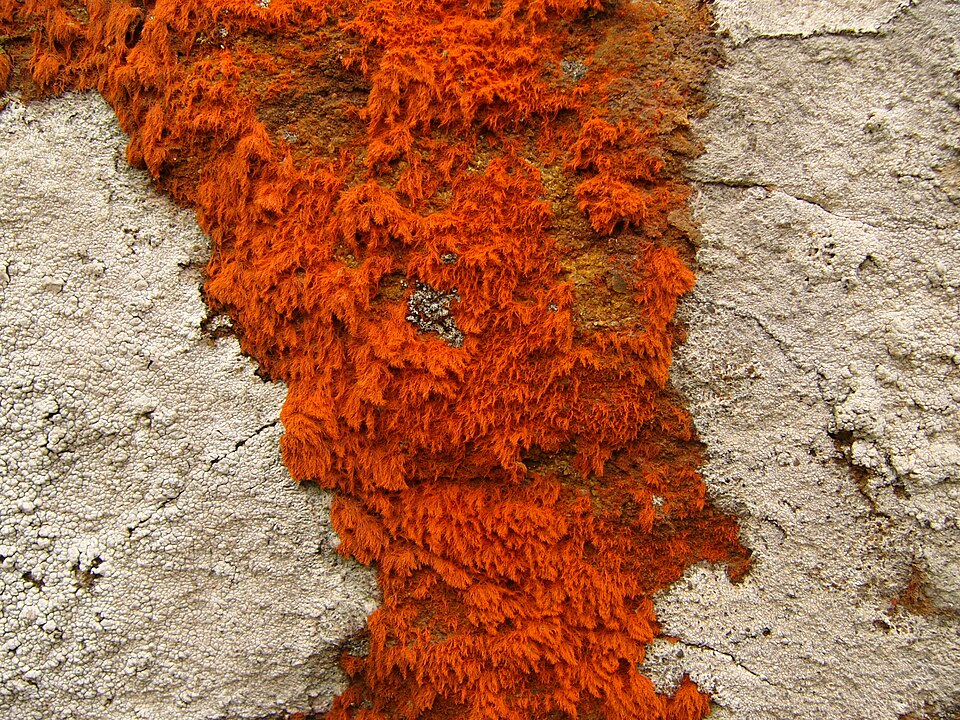
Trentepohlia, Genus, spp., Multiple species,
- Genus
- Multiple species
Worldwide, most abundant in humid tropical and temperate climates
SunPart Shade – Full Shade
WaterHigh
Overview
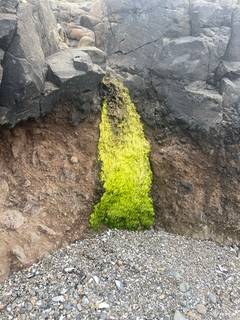
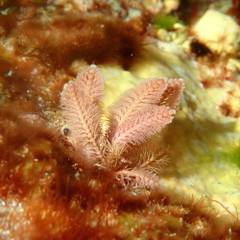
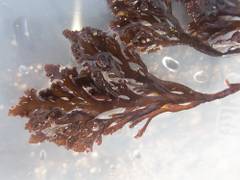
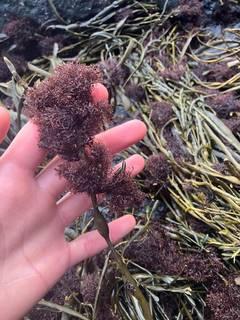
Trentepohlia is a genus of filamentous green algae in the family Trentepohliaceae, found on most continents and most common in humid tropical and temperate regions. Despite being green algae, the threads usually look orange, rust-red, or yellow because an orange carotenoid pigment masks the green chlorophyll. The microscopic branched filaments form felty, powdery, or crust-like films a fraction of a millimetre thick on tree bark, rock, leaves, concrete, and walls, sometimes spreading over patches several inches across. Trentepohlia lives on the surface rather than inside its substrate, drawing moisture and nutrients from rain, mist, and dust, and it grows out of water rather than submerged, unlike most algae. It reproduces by spores carried in specialized cells and by fragments of filament; it has no roots, leaves, flowers, or seeds. The genus often grows on the shaded, damp sides of trunks, fence posts, and stonework, and several species act as the algal partner in lichens. The orange films are conspicuous on tree trunks in moist forests and on shaded garden walls and paving, where they cause staining but little harm to the surface. Trentepohlia is not cultivated and is encountered as a wild surface growth.
Native Range
Trentepohlia is cosmopolitan, occurring on every inhabited continent and reaching its greatest abundance in humid tropical and temperate climates. It grows on bark, rock, soil, walls, and living leaves wherever the air stays damp. The genus is native across this wide range.Suggested Uses
Trentepohlia is not grown ornamentally and is mainly noticed as orange staining on trees, rocks, and walls. Its presence indicates damp, shaded, relatively clean air, and several species serve as the algal partner in lichens. It contributes to the surface life of bark and stone in humid habitats.How to Identify
Appearance
Bloom Information
As a green alga, Trentepohlia produces no flowers. It spreads by spores formed in specialized surface cells and by fragments of its filaments, mainly in damp seasons. Growth and colour are heaviest in humid, shaded conditions and fade in prolonged dryness.
Growing Conditions
Sun Requirements
Tolerates up to 4 hours of direct sunlight daily
• Full Sun: 6+ hours of direct sunlight
• Partial Shade: 3-6 hours of direct sunlight
• Full Shade: Less than 3 hours of direct sunlight
Soil Requirements
Drainagemoist
Water & Climate
Water Needs