Toxicodendron, Genus, vernix, Species,
- Genus & species
poison sumac
Overview
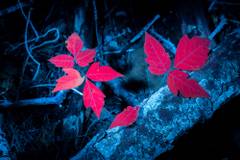
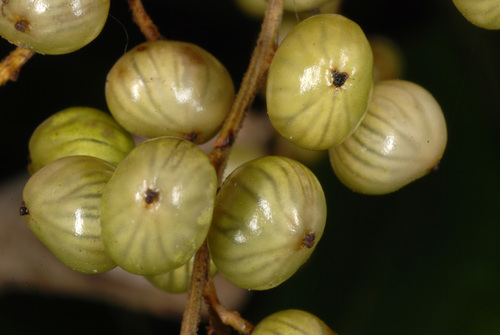
Toxicodendron vernix is a deciduous shrub or small tree in the cashew family, reaching 6-20 feet (1.8-6 m) tall and 6-12 feet (1.8-3.7 m) wide, with smooth gray bark and reddish leaf stalks. Each leaf is pinnately compound with 7-13 smooth-margined leaflets 2-4 inches (5-10 cm) long that turn red and orange in autumn. Small greenish-yellow flowers open in loose clusters in late spring to early summer on separate male and female plants; female plants bear hanging clusters of white to gray, berry-like drupes about 0.2 inch (5 mm) across that persist into winter. It grows in acidic swamps, bogs, and wet woods across eastern North America. All parts contain urushiol, the same oily compound found in poison ivy, and contact with bruised foliage, stems, or roots causes severe, blistering skin inflammation in most people. The white fruit and smooth-edged leaflets separate it from the harmless sumacs of the genus Rhus, which have toothed leaflets and red, upright fruit clusters. It requires wet, acidic soil and tolerates standing water but not dry or alkaline ground. Birds eat the fruit and disperse the seed along wetland margins.
Native Range
Toxicodendron vernix is native to eastern North America, from Quebec and Ontario south to Florida and Texas, with greatest frequency in the eastern United States. It grows in acidic wetlands, including swamps, bogs, and the wet margins of woods and ponds.Suggested Uses
Toxicodendron vernix occurs in wetland and bog habitats and is rarely used as an ornamental. Where it is retained, it shows red-orange autumn foliage and white fruit that feeds wintering birds in wet natural areas. It is found at swamp and pond margins rather than in managed beds.How to Identify
Appearance
Size & Dimensions
Height6' - 20'
Width/Spread6' - 12'
Bloom Information
Small greenish-yellow flowers open in late spring to early summer, from about May to June, in loose drooping clusters. Male and female flowers occur on separate plants, so only female specimens produce fruit. The bloom is inconspicuous and lasts roughly three weeks.
Detailed Descriptions
Foliage Description
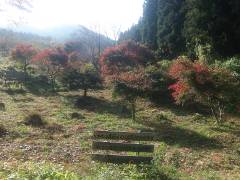
Green, turning red-orange in autumnGrowing Conditions
Sun Requirements
Requires 4-8 hours of direct sunlight daily
• Full Sun: 6+ hours of direct sunlight
• Partial Shade: 3-6 hours of direct sunlight
• Full Shade: Less than 3 hours of direct sunlight