Toxicodendron, Genus, radicans, Species,
- Genus & species
poison ivy
Eastern North America (Nova Scotia and Quebec west to British Columbia and south to Florida, Texas, and Mexico)
Overview
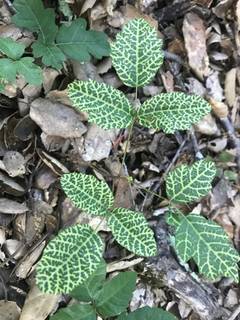
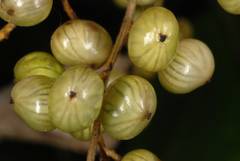
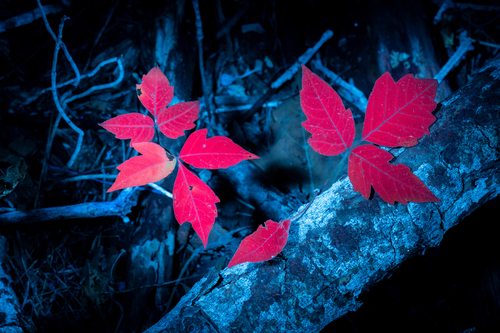
Toxicodendron radicans is a deciduous woody vine, shrub, or ground cover in the cashew family (Anacardiaceae), highly variable in growth form — the species may climb trees to 50+ feet (15+ m) via adventitious aerial rootlets, grow as a free-standing shrub 3-6 feet (90-180 cm) tall, or spread as a ground-hugging mat. Leaves are alternate, trifoliate (the familiar three-leaflet arrangement), with leaflets 2-5 inches (5-13 cm) long — the terminal leaflet on a noticeably longer petiolule (stalk) than the two lateral leaflets. Leaflet margins are variable: entire, toothed, or lobed, sometimes all on the same plant. Leaves emerge reddish-bronze in spring, mature to glossy dark green, and turn bright scarlet, orange, or yellow in autumn. Small yellowish-green flowers are borne in axillary panicles 1-3 inches (2.5-8 cm) long in late spring. Fruit is a round, waxy, off-white to grey drupe 0.2 inch (5 mm) in diameter, borne in clusters, persisting through winter. All parts of the plant — leaves, stems, roots, flowers, and fruit — contain urushiol, a mixture of catechol-derivative oils that causes allergic contact dermatitis in approximately 85% of the human population. Urushiol stays active on dead plant material, tools, clothing, and pet fur for months to years. Burning the plant produces urushiol-laden smoke that can cause severe respiratory inflammation if inhaled. The species is ecologically important — fruit is consumed by over 60 bird species, and the foliage supports numerous moth and butterfly larvae.
Native Range
Toxicodendron radicans is native to eastern North America, from Nova Scotia and Quebec west to British Columbia and south to Florida, Texas, and Mexico, where the species occurs in forests, woodlands, thickets, fence rows, stream banks, and disturbed ground from sea level to approximately 5,000 feet (1,500 m). Several subspecies span the geographic range.Suggested Uses
The species is not planted intentionally. In ecological context, it is a native component of eastern North American forests and supplies food for over 60 bird species (drupes) and numerous insects (foliage). In habitat restoration, its presence is tolerated in non-public-access areas as part of the native plant community. In managed landscapes — parks, trails, gardens — identification and removal are the primary management goals.How to Identify
Appearance
Size & Dimensions
Height6" - 50'
Width/Spread1' - 10'
Bloom Information
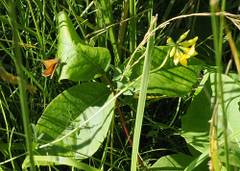
Small yellowish-green flowers in axillary panicles 1-3 inches (2.5-8 cm) long open from May through June. Bloom is inconspicuous. Pollination is by bees, flies, and other insects. Off-white to grey waxy drupes develop by late summer, ripening in September-October and persisting on the vine through winter. Drupes are an important winter food source for birds.
Detailed Descriptions
Flower Description
Yellowish-green (inconspicuous)Foliage Description
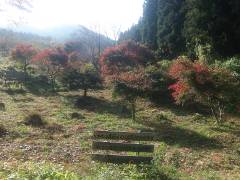
Reddish-bronze (spring), glossy dark green (summer), scarlet-orange-yellow (autumn)Growing Conditions
Sun Requirements
Requires 2-10 hours of direct sunlight daily
• Full Sun: 6+ hours of direct sunlight
• Partial Shade: 3-6 hours of direct sunlight
• Full Shade: Less than 3 hours of direct sunlight