Toxicodendron, Genus, rydbergii, Species,
- Genus & species
western poison ivy
Overview
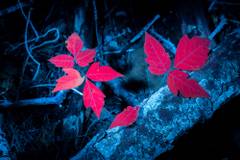
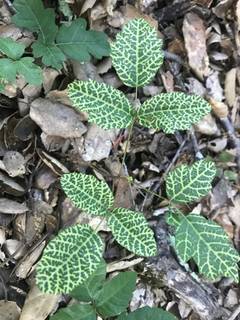
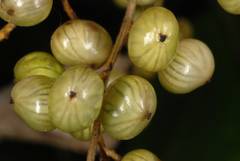
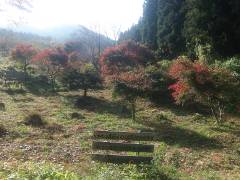
Toxicodendron rydbergii is a deciduous, non-climbing shrub native to much of North America, spreading by rhizomes to form colonies in open woods, riverbanks, fencerows, and disturbed ground. Unlike its climbing relative T. radicans, it grows as an erect, low shrub 8-32 inches (20-80 cm) tall, sometimes reaching waist height, without aerial rootlets. The leaves are divided into three leaflets 1.5-5.5 inches (4-14 cm) long, the end leaflet on a longer stalk, with margins that are smooth, toothed, or shallowly lobed. New foliage is reddish, turning glossy green in summer and shifting to yellow, orange, and red in autumn. Small greenish-yellow flowers appear in spring in clusters from the leaf axils, followed by hard, whitish, ribbed berries about 0.2 inch (5 mm) across that persist into winter and feed many birds. All parts contain urushiol, an oily compound that causes an itching, blistering skin rash in most people on contact, with the sap released from any bruised leaf, stem, or root. Urushiol stays active on tools, clothing, and pet fur for long periods, and smoke from burning plants can irritate the lungs. Although it is hazardous to people, the berries and foliage are eaten by wildlife without harm.
Native Range
Native across Canada and the United States, from British Columbia and the northern states south into Mexico, and most common in the central and western parts of the continent. It grows in floodplains, open woodland, prairie margins, rocky slopes, and roadsides, often in sandy or gravelly soil.Suggested Uses
In wild and naturalized settings it stabilizes streambanks and supplies cover and winter berries for birds and small mammals. It is rarely planted on purpose and is usually encountered as a volunteer in restoration areas, hedgerows, and untended ground.How to Identify
Appearance
Size & Dimensions
Height8" - 2'8"
Width/Spread1' - 3'
Bloom Information
Greenish-yellow flowers open in May and June in small clusters at the leaf axils. Individual blooms are about 0.1 inch (3 mm) across and easily overlooked. Pollinated flowers develop into pale, ribbed berries that ripen in late summer and hold on the bare stems through winter.
Detailed Descriptions
Foliage Description
Green, red in autumnGrowing Conditions
Sun Requirements
Requires 4-10 hours of direct sunlight daily
• Full Sun: 6+ hours of direct sunlight
• Partial Shade: 3-6 hours of direct sunlight
• Full Shade: Less than 3 hours of direct sunlight