Toxicodendron, Genus, diversilobum, Species,
- Genus & species
Pacific poison oak
Overview
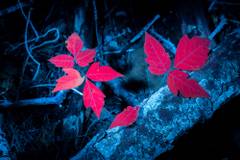
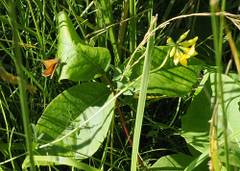
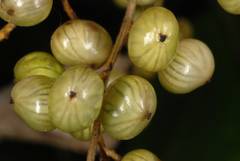
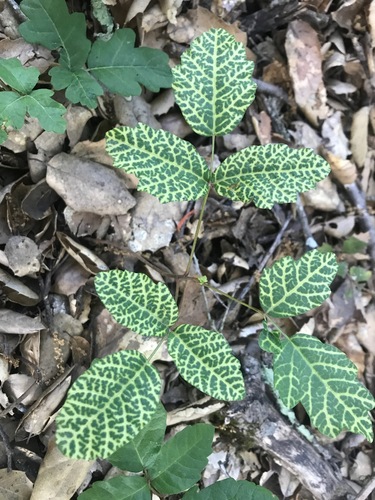
Toxicodendron diversilobum is a deciduous woody plant in the cashew family that grows either as an upright shrub 3-6 feet (1-2 m) tall or as a climbing vine reaching 13-20 feet (4-6 m) or more into supporting trees. Its leaves are divided into three leaflets, each 1-4 inches (2.5-10 cm) long with scalloped or lobed margins resembling those of an oak. New foliage emerges glossy bronze-red, matures to green, and turns red and orange in autumn before dropping. Clusters of small greenish-white flowers appear in spring, followed by white to tan berry-like drupes. All parts contain urushiol, an oily compound that causes allergic contact dermatitis in most people, with a blistering, itching rash developing one to several days after contact; the oil stays active on tools, clothing, and pet fur, and smoke from burning plants can affect the lungs. The species is native to western North America, where it forms thickets in chaparral, oak woodland, and forest edges, and bears berries and foliage eaten by birds and mammals that are unaffected by the urushiol. It tolerates sun or shade and a wide range of soils, and spreads by both seed and creeping rhizomes.
Native Range
Native to western North America, from British Columbia south through California to Baja California, and east into Nevada. It grows in chaparral, oak woodlands, coniferous forests, and along streams from sea level to moderate mountain elevations.Suggested Uses
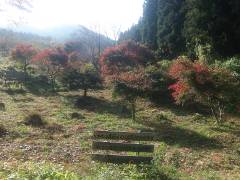
Not used in cultivation. In its native range it stabilizes slopes and supplies cover and berries for wildlife within chaparral and woodland. Its bronze spring growth and red autumn color are conspicuous in wild landscapes.How to Identify
Appearance
Size & Dimensions
Height3' - 13'
Width/Spread3' - 10'
Bloom Information
Flowers in spring, generally April and May, producing loose clusters of tiny greenish-white blossoms among the new leaves. Bees and other insects visit the flowers. Pale berry-like drupes form by late summer and can persist on bare stems into winter.
Detailed Descriptions
Foliage Description
Green, bronze-red when young, turning red and orange in autumnGrowing Conditions
Sun Requirements
Requires 3-8 hours of direct sunlight daily
• Full Sun: 6+ hours of direct sunlight
• Partial Shade: 3-6 hours of direct sunlight
• Full Shade: Less than 3 hours of direct sunlight