Toxicodendron, Genus, spp., Multiple species,
- Genus
- Multiple species
poison ivies and oaks
North America, Central America, and eastern Asia
Overview
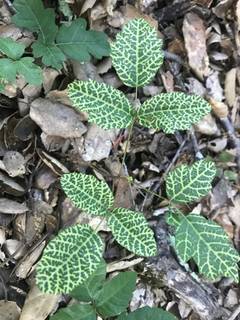
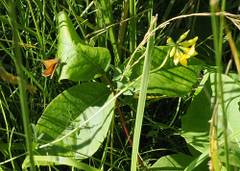
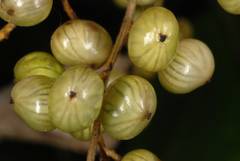
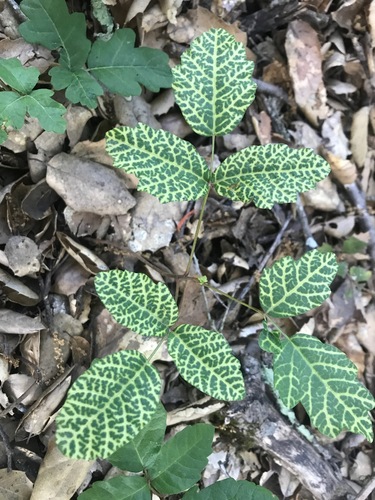
Toxicodendron is a genus of about 30 species of deciduous shrubs, woody vines, and small trees in the cashew family (Anacardiaceae), native to North America, Central America, and eastern Asia. The genus includes poison ivy (T. radicans), the poison oaks (T. diversilobum and T. pubescens), and poison sumac (T. vernix). Growth form varies widely, from low running ground cover and freestanding shrubs to high-climbing vines with hairy aerial roots that reach 30 feet (9 m) or more into trees. Leaves are alternate and divided into three leaflets in the poison ivies and oaks or into 7 to 13 leaflets in poison sumac, often glossy and bronze-tinged when young, turning red, orange, and yellow in autumn. Small greenish flowers in loose clusters are followed by clusters of waxy white to cream berries that persist into winter and feed birds. All parts contain urushiol, an oily compound that causes an itching, blistering skin rash in most people on contact, and smoke from burning plants can severely irritate the lungs. The plants grow in woodland edges, fence lines, dunes, and disturbed ground across much of their range. Fall color and the white berries make the plants conspicuous in autumn.
Native Range
Toxicodendron species are native to North and Central America and to temperate and subtropical eastern Asia, including China, Japan, and the Himalayas. Poison ivy and the poison oaks are widespread across the United States and southern Canada, while poison sumac grows in wetlands of the eastern United States.Suggested Uses
Toxicodendron is rarely cultivated because of its urushiol content, though the Asian lacquer tree (T. vernicifluum) is grown in China and Japan as the source of natural lacquer and the wax tree (T. succedaneum) for plant wax. In the wild the berries and foliage are eaten by birds and small mammals. The red autumn color appears along woodland edges and fence lines where the plants grow on their own.How to Identify
Appearance
Size & Dimensions
Height1' - 30'
Width/Spread3' - 20'
Bloom Information
Toxicodendron produces small greenish-yellow flowers in loose axillary clusters in late spring to early summer, generally May to June. The flowers are inconspicuous, and female plants follow them with clusters of white to cream berries that ripen in late summer and persist through winter. Plants are dioecious, so only female plants set fruit.
Detailed Descriptions
Foliage Description
glossy green, bronze when youngGrowing Conditions
Sun Requirements
Requires 2-12 hours of direct sunlight daily
• Full Sun: 6+ hours of direct sunlight
• Partial Shade: 3-6 hours of direct sunlight
• Full Shade: Less than 3 hours of direct sunlight