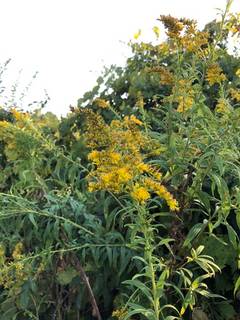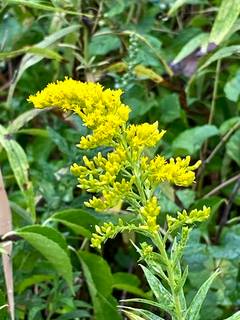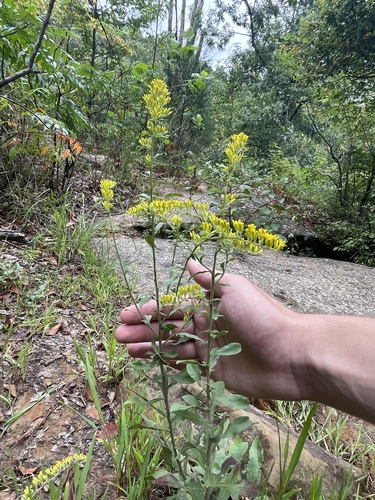
Solidago, Genus, nemoralis, Species,
- Genus & species
field goldenrod
Overview
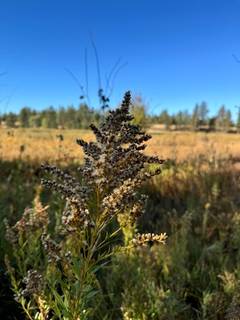
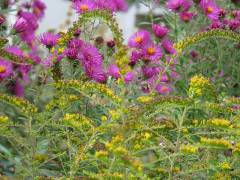
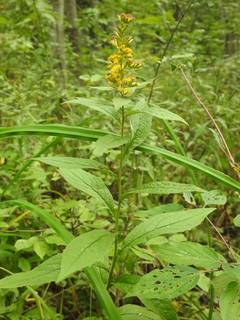
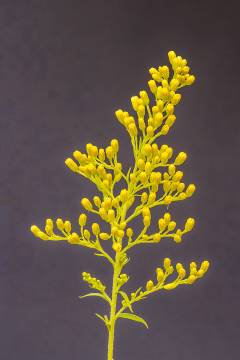
Solidago nemoralis is a compact herbaceous perennial growing 1-2.5 feet (30-75 cm) tall and about 1-1.5 feet (30-45 cm) wide, shorter than many goldenrods. The whole plant is covered in short gray hairs that give the gray-green foliage a soft, dull surface. Narrow basal and stem leaves are 1-4 inches (2.5-10 cm) long, with the lower leaves toothed and tapering to a winged stalk. From August to October it produces arching, one-sided plumes of small golden-yellow flower heads that often nod to one side. The flowers attract bees, wasps, and butterflies late in the season, and the seeds feed small birds. It is native to dry, open ground across central and eastern North America, including old fields, prairies, roadsides, and rocky barrens. It grows well on poor, dry, sandy soils and tolerates drought and neglect, though the same vigor lets it spread by rhizome and seed where conditions suit it. In rich or moist soil it grows taller and may flop. It stays low and tolerates drier, leaner soils than many other goldenrods.
Native Range
Native to central and eastern North America, from southern Canada south to Texas and Florida. It grows in dry, open habitats such as old fields, prairies, sandy barrens, roadsides, and rocky ground.Suggested Uses
Used in dry meadows, prairie plantings, rock gardens, and pollinator borders on lean soils. It suits sunny banks and infertile sites where taller plants struggle. The late bloom supports bees and butterflies, and the seed heads feed birds into winter.How to Identify
Appearance
Size & Dimensions
Height1' - 2'6"
Width/Spread1' - 1'6"
Bloom Information
Detailed Descriptions
Foliage Description
gray-greenGrowing Conditions
Sun Requirements
Requires 6-12 hours of direct sunlight daily
• Full Sun: 6+ hours of direct sunlight
• Partial Shade: 3-6 hours of direct sunlight
• Full Shade: Less than 3 hours of direct sunlight