Solidago, Genus, caesia, Species,
- Genus & species
bluestem goldenrod
Overview
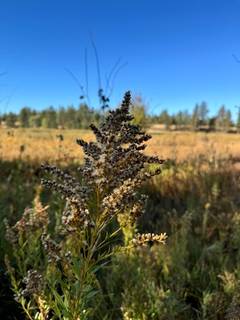
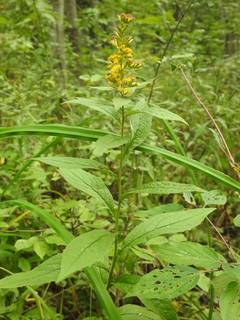
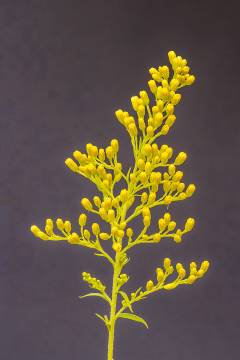
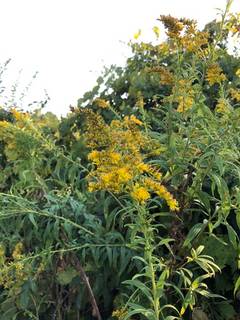
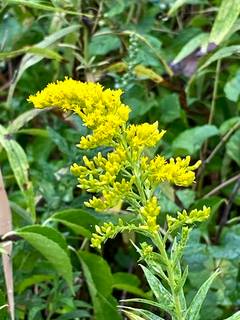
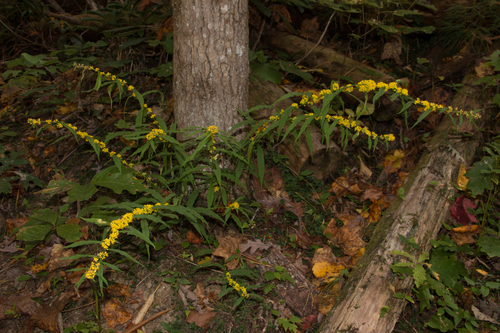
Solidago caesia is a herbaceous perennial growing 1-3 feet (30-90 cm) tall, with slender, arching, unbranched stems coated in a waxy blue-purple bloom that gives the plant its name. The leaves are lance-shaped, 2-5 inches (5-13 cm) long, toothed, and stalkless, spaced evenly along the stem. Small yellow flower heads about 0.2 inch (5 mm) across are clustered in the leaf axils along the upper half of the stem rather than in a terminal plume, so bloom runs in a wreath-like line down the arching stems. Flowering occurs in late summer and fall. After bloom the heads form fluffy seedheads carried on the wind. The plant grows from short rhizomes into loose clumps rather than spreading colonies. Foliage may show light mildew late in the season in dry shade.
Native Range
Native to eastern North America, from Nova Scotia and Ontario south to Florida and Texas. It grows in open deciduous woods, woodland edges, and shaded clearings on moist to dry, well-drained soils.Suggested Uses
Grown in shade and woodland gardens, native plantings, and the front of part-shade borders, spaced 18-24 inches (45-60 cm) apart. The late flowers supply nectar for bees and butterflies as other blooms fade. The arching habit suits naturalized drifts under high shade.How to Identify
Appearance
Size & Dimensions
Height1' - 3'
Width/Spread1' - 2'
Bloom Information
Detailed Descriptions
Foliage Description
greenGrowing Conditions
Sun Requirements
Tolerates up to 6 hours of direct sunlight daily
• Full Sun: 6+ hours of direct sunlight
• Partial Shade: 3-6 hours of direct sunlight
• Full Shade: Less than 3 hours of direct sunlight
Care & Maintenance
Care Guide
Grows in part shade to full shade on moist, well-drained soils rich in organic matter, and tolerates drier shade once established. It spreads slowly by short rhizomes and stays in tidy clumps rather than running. Powdery mildew can dull the foliage in dry, still air late in the season. It needs little care and no staking, as the arching stems hold themselves. Divide clumps every 3-4 years in spring to renew vigor. Native bees and butterflies work the late flowers heavily.Pruning
Cut the stems to the ground in late fall or early spring after the seed disperses. Cutting plants back by one-third in early summer makes shorter, bushier stems but delays bloom. Removing spent flower stems limits self-seeding.Pruning Schedule
Prune: March & November
fallearly spring
Container Growing
Suitable for container growing
Minimum container size: 2 gallons