Sidalcea, Genus, oregana, Species,
- Genus & species
Oregon checker-mallow
Overview
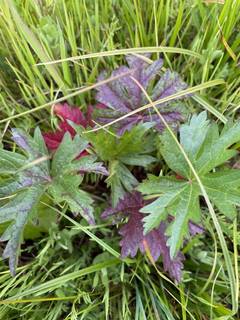
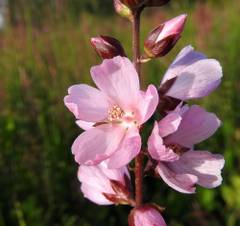
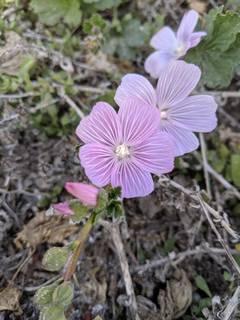
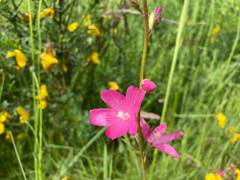
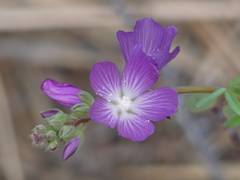
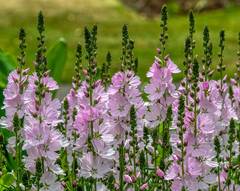
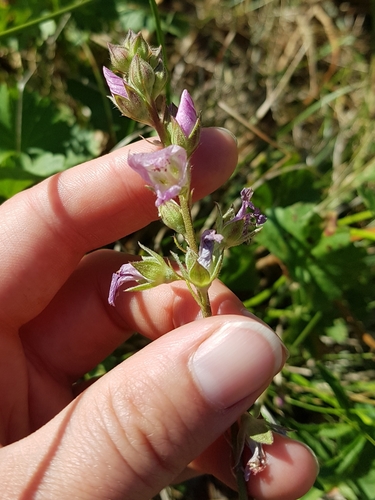
Sidalcea oregana is a herbaceous perennial reaching 1-4 feet (30-120 cm) tall and 1-2 feet (30-60 cm) wide, forming clumps from short, branching rhizomes. Basal leaves are rounded with shallow palmate lobes 1-3 inches (2.5-7.5 cm) across; stem leaves become progressively more deeply divided into 5-7 narrow segments toward the top of the stem. Pink to rose-pink five-petaled flowers about 0.75-1.25 inches (2-3 cm) across open in dense, narrow racemes from June through August. Each flower lasts 2-3 days, with bloom progressing up the raceme over 4-6 weeks. Stems are slender and slightly hairy in the lower portion, mostly hairless above. After flowering, schizocarp fruits split into 5-9 small mericarps that ripen July through September. Foliage dies back to the rhizome after fall frosts in zones 4-8. Spreads slowly by short rhizomes, expanding 2-3 inches (5-7.5 cm) per year, eventually forming colonies 1-2 feet (30-60 cm) across. Lifespan 5-12 years. Several subspecies are recognized across the western U.S., differing in stem hairiness, flower density, and habitat.
Native Range
Native to mountain meadows, streamside terraces, and moist openings across the western United States from eastern Washington and Oregon east to Idaho and Wyoming, south to northern California, Nevada, and Utah. Found at elevations of 2,000-9,000 feet (600-2,750 m), in seasonally moist soils that dry by late summer.Suggested Uses
Used in mountain meadow restorations, dry meadow gardens, and pollinator plantings in the interior West. Spaced 12-18 inches (30-45 cm) apart in groupings of 5-9 plants. Functions as a larval host for several Sidalcea-specialist butterflies and as a pollen source for native bees in mountain habitats.How to Identify
Appearance
Size & Dimensions
Height1' - 4'
Width/Spread1' - 2'
Bloom Information
Flowers from June through August across most of the range, with peak bloom from late June to mid-July at mid elevations. In high-elevation populations (above 7,000 feet / 2,100 m), flowering may begin in mid-July and end in early September. Each flower lasts 2-3 days; total bloom on a single plant lasts 4-6 weeks.
Detailed Descriptions
Flower Description
pink to rose-pinkFoliage Description
medium greenGrowing Conditions
Sun Requirements
Requires 6-10 hours of direct sunlight daily
• Full Sun: 6+ hours of direct sunlight
• Partial Shade: 3-6 hours of direct sunlight
• Full Shade: Less than 3 hours of direct sunlight
Care & Maintenance
Care Guide
Plant container-grown stock or sow seed in fall in seasonally moist, well-drained soil with full sun to light shade. Water during the first growing season; established plants tolerate summer drought once dormant in late summer. Plants do not perform well in heavy summer-irrigated garden soils, where crown rot can develop. Powdery mildew and rust fungi affect lower foliage in humid conditions; affected leaves can be cut to the crown. Crowns persist 5-7 years and benefit from division every 4-5 years in early spring. Self-seeds modestly in disturbed soil, producing 5-10 seedlings annually around established colonies.Pruning
Cut spent flower stalks to the basal foliage in late summer to limit self-seeding and reduce mildew on dying stems. Remove dead stems and leaves in late fall after foliage has died back. Divide crowns every 4-5 years in early spring as new growth emerges.Pruning Schedule
Prune: August & November
summerfall