Sidalcea, Genus, spp., Multiple species,
- Genus
- Multiple species
checkerblooms
Overview
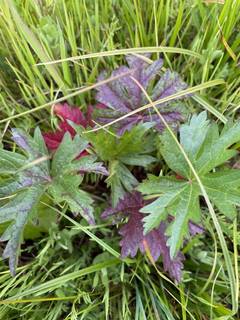
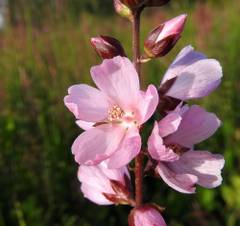
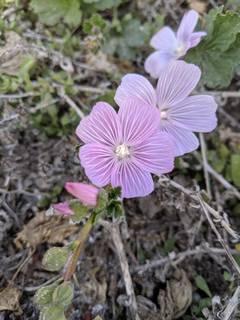
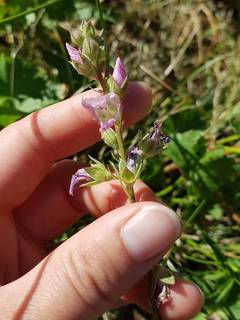
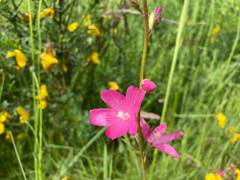
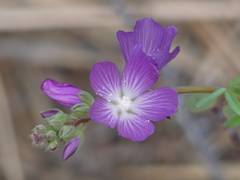
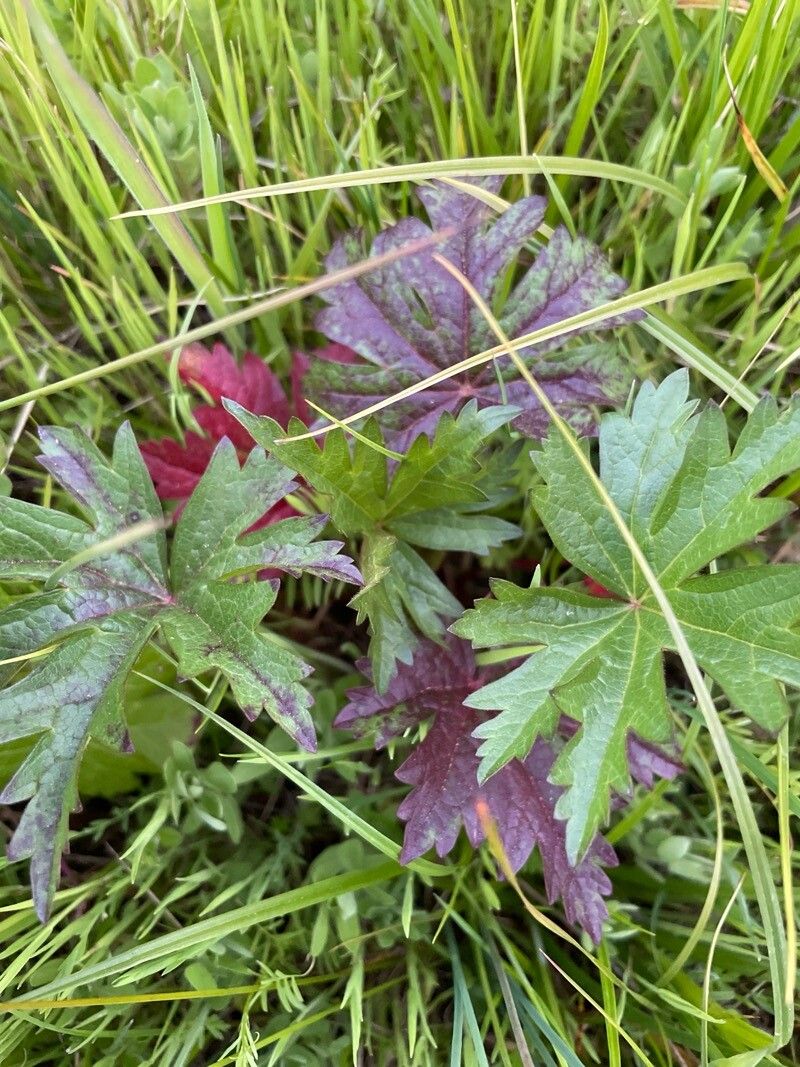
Sidalcea is a genus of about 20 to 30 species in the mallow family (Malvaceae), called checkerblooms, checkermallows, or prairie mallows and native to western North America. Most grow in moist meadows, prairies, streamsides, and open woodland from the Pacific states east to the Rockies. Plants are mainly perennials that form a basal clump of rounded, palmately lobed lower leaves, with deeply cut upper leaves on upright stems 1.5 to 5 ft (45 to 150 cm) tall. The five-petalled flowers, 1 to 2 in (2.5 to 5 cm) across, open along slender spikes in shades of pink, rose, mauve, and white, resembling small hollyhocks to which the genus is related. Bloom comes through summer and draws bees, including several specialist mining bees, along with butterflies. Many wild species are tied to seasonally moist ground and decline where soil bakes dry, and several Pacific-coast checkermallows are rare or protected in the wild. Garden forms and hybrids of S. malviflora and S. oregana bring the meadow look into borders, where the tidy spikes rebloom if cut back after the first flush.
Native Range
The genus is native to western North America, from British Columbia south to Baja California and east to the Rocky Mountains. A few species reach the prairies of the central United States.Suggested Uses
Used in moist borders, cottage and meadow plantings, rain gardens, and native and pollinator gardens of the western states. The vertical spikes suit the middle of a border among softer mounding plants, spaced 12 to 18 in (30 to 45 cm) apart. Cut spikes hold well in the vase.How to Identify
Appearance
Size & Dimensions
Height1'6" - 5'
Width/Spread1' - 2'
Bloom Information
Flowering runs through summer, mainly June to August, with the spikes opening from the base upward over several weeks. Cutting the stems back after the first flush often brings a lighter second bloom. Seed ripens in late summer.
Detailed Descriptions
Flower Description
pink, rose, mauve, and whiteFoliage Description
greenGrowing Conditions
Sun Requirements
Requires 5-9 hours of direct sunlight daily
• Full Sun: 6+ hours of direct sunlight
• Partial Shade: 3-6 hours of direct sunlight
• Full Shade: Less than 3 hours of direct sunlight
Care & Maintenance
Care Guide
Plants grow in full sun to light shade in fertile soil that holds moisture, including clay and seasonally damp ground, and falter where soil dries out in summer. Even watering through the growing season keeps the foliage clean and the bloom long. Division in spring renews older clumps and is the usual way to increase named forms. A spring mulch conserves moisture and feeds the roots. Rust and the chewing of slugs and Japanese beetles are the main troubles. Staking helps the taller kinds stay upright in rich soil or wind.Pruning
Cutting the flower spikes back after the first bloom tidies the clump and can prompt rebloom. Old foliage and stems are cleared in late autumn or early spring. Division every few years keeps clumps vigorous and free-flowering.Container Growing
Suitable for container growing
Minimum container size: 3 gallons