Sesbania, Genus, vesicaria, Species,
- Genus & species
bladder pod
Overview
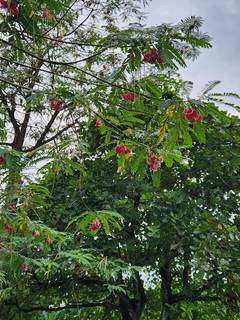
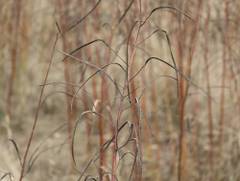
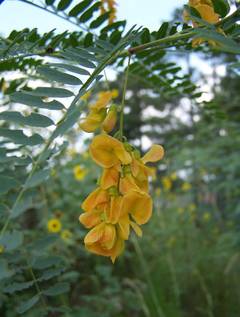
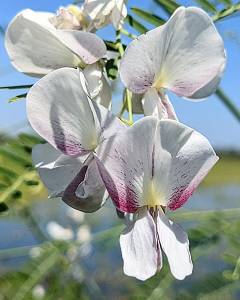
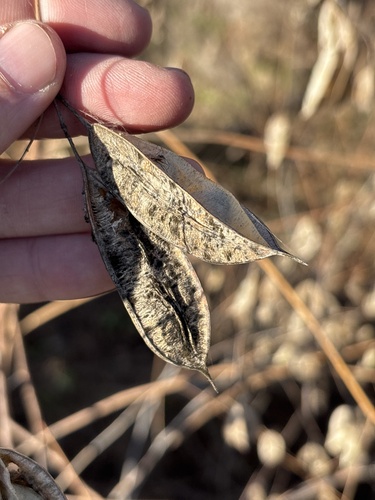
Sesbania vesicaria is a fast-growing summer annual reaching 48-120 inches (120-300 cm) tall and 24-48 inches (60-120 cm) wide, with a single erect, sparingly branched stem. Leaves are pinnately compound, 4-8 inches (10-20 cm) long, with 10 to 50 small oblong leaflets that fold at night. From late summer into fall it bears loose clusters of pea-shaped flowers, yellow to orange-red and often streaked, on slender stalks from the leaf axils. The fruit is a flattened, inflated, papery pod about 1.5-3 inches (4-7.5 cm) long that holds two seeds and gives the plant its bladder-pod name. The seeds contain toxins and are poisonous to livestock and people if eaten. It grows in wet ditches, floodplains, fields, pond margins, and disturbed bottomland across the southeastern United States. The plant grows quickly and self-sows freely, and it can form dense stands in moist ground.
Native Range
Sesbania vesicaria is native to the southeastern United States, from the Carolinas and Florida west to Texas and up the Mississippi valley. It grows in wet ditches, floodplains, pond margins, fields, and disturbed bottomland soils.Suggested Uses
Used in rain gardens, pond and ditch margins, and naturalized wet areas where a tall, fast summer screen is wanted. It suits wet, heavy soils that limit many annuals. Sown or spaced about 24 inches (60 cm) apart.How to Identify
Appearance
Size & Dimensions
Height4' - 10'
Width/Spread2' - 4'
Bloom Information
Detailed Descriptions
Flower Description
yellow to orange-redFoliage Description
greenGrowing Conditions
Sun Requirements
Requires 6-8 hours of direct sunlight daily
• Full Sun: 6+ hours of direct sunlight
• Partial Shade: 3-6 hours of direct sunlight
• Full Shade: Less than 3 hours of direct sunlight
Water & Climate
Water Needs
Care & Maintenance
Care Guide
Grow in full sun in moist to seasonally wet soil, including clay and bottomland sites. This annual grows fast and tolerates flooding and heavy soils that many plants cannot. Very dry sites limit its height and vigor. Sow seed in spring after the last frost, or allow established stands to self-sow. The seeds are toxic to livestock and people, so plantings near pastures and play areas carry that risk. Plants set abundant seed and can spread along wet ground.Pruning
No routine pruning is needed for this tall annual. Plants can be cut down after flowering to limit the heavy seed set. The toxic seeds are a factor when handling and disposing of the spent pods.Toxicity Warning
Toxic to pets and humansPlanting Guide
Planting Methods & Timing
Planting Method
direct sow
Direct Sow Timing
Spring after last frost
Days to Maturity
100–140 days
Plant Spacing
24 inches