Sesbania, Genus, drummondii, Species,
- Genus & species
rattlebush
Southeastern and south-central United States
Overview
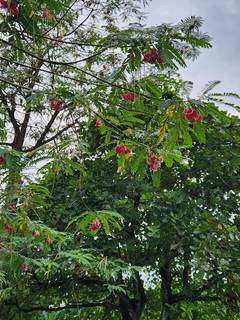
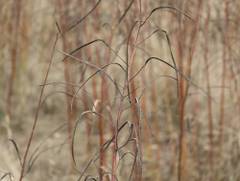
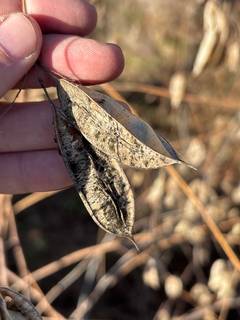
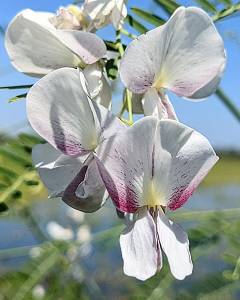
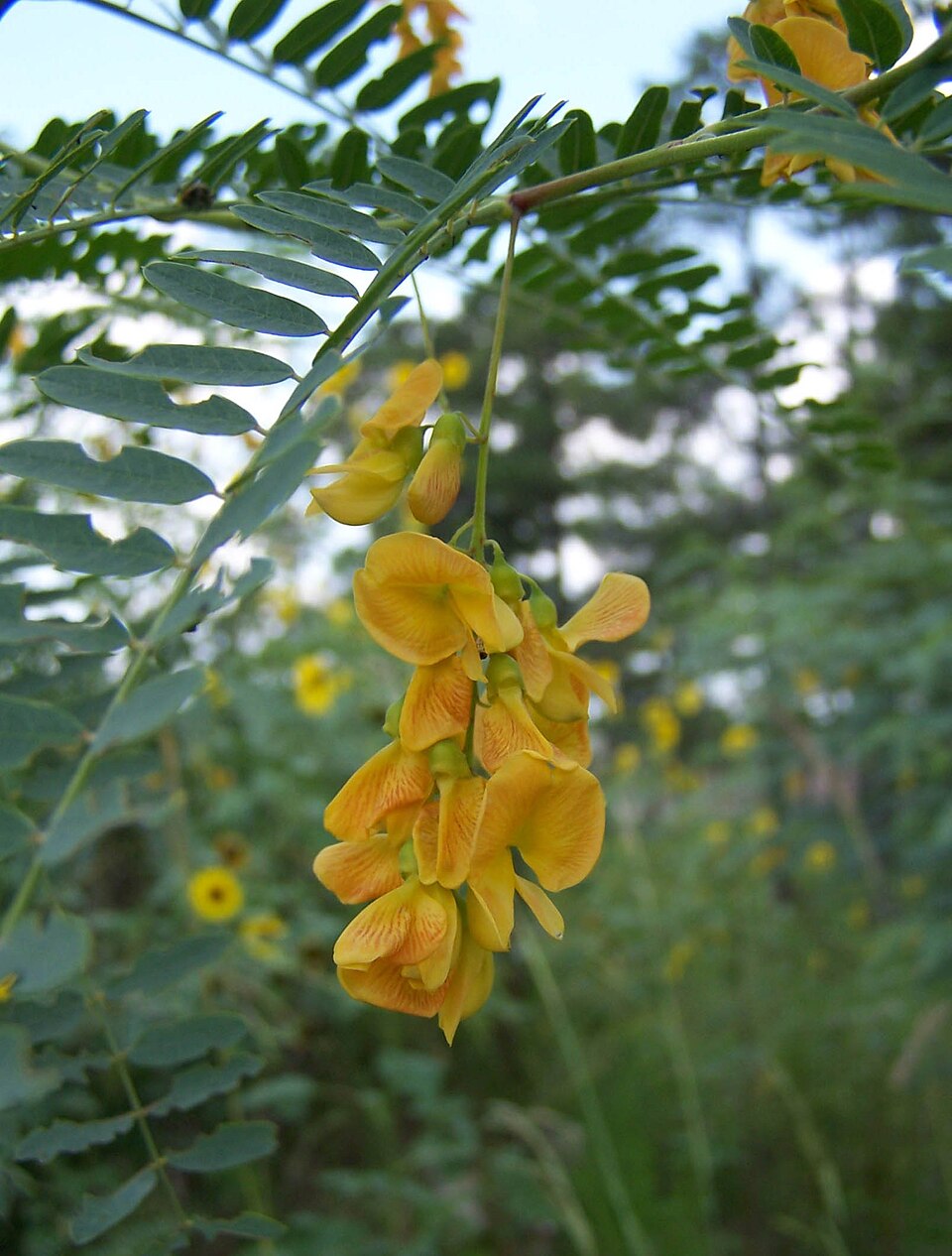
Sesbania drummondii is a deciduous shrub or subshrub reaching 3-10 feet (0.9-3 m) tall, with slender, arching branches and a short lifespan of a few years. Leaves are pinnately compound, 4-8 inches (10-20 cm) long, with 20-50 small, oblong leaflets that fold at night. Pea-like flowers, yellow to orange and often red-streaked, 0.5-0.75 inch (1.3-2 cm) long, hang in loose clusters from late spring through summer. The fruit is a four-winged pod 1.5-2.5 inches (4-6 cm) long containing several seeds that rattle in the dry pod, the source of the common name. All parts, especially the seeds, contain saponins and are toxic to livestock and humans if eaten. The plant grows quickly in wet ground, often forming thickets, but is short-lived and frost-sensitive at the northern edge of its range.
Native Range
Native to the southeastern and south-central United States, from Florida west to Texas and north into Oklahoma, and into northeastern Mexico. Grows in wet ground including pond and ditch margins, floodplains, marshes, and low disturbed sites.Suggested Uses
Used in wetland and pond-edge plantings, rain gardens, and as a fast, short-lived screen on wet sites, spaced 4-6 feet (1.2-1.8 m) apart. Its tolerance of flooding suits low, soggy ground where longer-lived shrubs decline. The toxic seeds make it less suited to pastures and areas grazed by livestock.How to Identify
Appearance
Size & Dimensions
Height3' - 10'
Width/Spread3' - 6'
Bloom Information
Detailed Descriptions
Flower Description
yellow to orangeFoliage Description
greenGrowing Conditions
Sun Requirements
Requires 6-12 hours of direct sunlight daily
• Full Sun: 6+ hours of direct sunlight
• Partial Shade: 3-6 hours of direct sunlight
• Full Shade: Less than 3 hours of direct sunlight
Care & Maintenance
Care Guide
Grows in full sun in wet to seasonally flooded soils and tolerates poor drainage that many shrubs cannot. It establishes quickly from seed and is naturally short-lived, often declining after three to five years. The plant fixes nitrogen and needs no feeding. All parts contain saponins and are toxic to grazing animals and people if ingested, with the seeds the most concentrated. Few pests or diseases affect it. In colder areas the top growth is killed by frost.Pruning
Cut back frost-killed or untidy stems to the base in late winter to renew growth. Removing the rattling seed pods before they shed limits self-seeding into wet ground. The plant resprouts readily from the base after hard cutting.Pruning Schedule
Prune: February
winter