Senega, Genus, nana, Species,
- Genus & species
candyroot
Overview
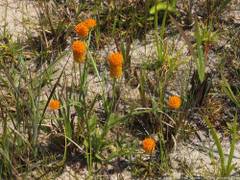
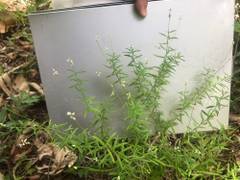
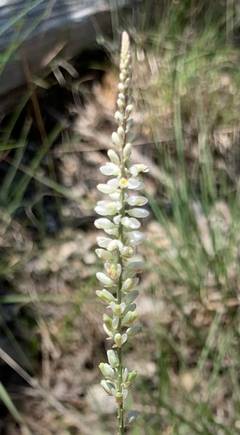
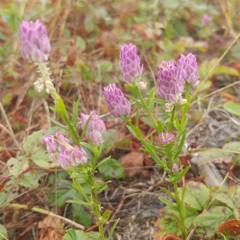
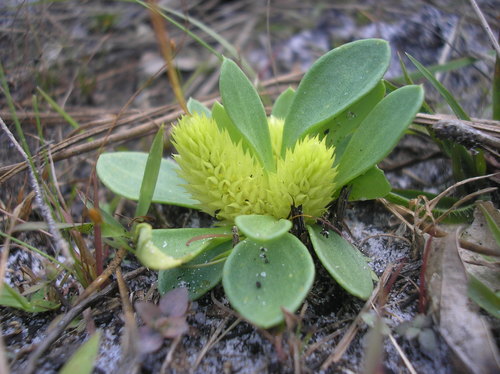
Senega nana, formerly known as Polygala nana, is a small annual or short-lived perennial in the milkwort family, native to the southeastern United States. It grows only 2-6 inches (5-15 cm) tall, forming a low basal rosette of spoon-shaped leaves from which short flowering stalks rise. Each stalk is topped by a dense, cylindrical head 0.5-1.5 inches (1.5-4 cm) long packed with small greenish-yellow flowers, giving the look of a stubby yellow cone close to the ground. The roots have a sweet wintergreen-like scent that is the source of the name candyroot. It blooms over a long season, mainly spring through fall in the warm parts of its range. The plant grows in moist, sandy, acidic soils of pine flatwoods, savannas, bogs, and roadside ditches, often where the ground stays damp. It is small and easily overlooked among taller groundcover, and it is short-lived, depending on open, moist ground and regular fire or disturbance to persist.
Native Range
Senega nana is native to the southeastern United States, along the coastal plain from North Carolina and Florida west to Texas. It grows in moist pine flatwoods, savannas, bogs, and ditches.Suggested Uses
Senega nana is used in native bog gardens, pine savanna restorations, and moist, sandy native plantings within its range. Its small size suits the front of damp native beds and the edges of bog plantings. It draws small bees and other insects to its flowers.How to Identify
Appearance
Size & Dimensions
Height2" - 6"
Width/Spread2" - 5"
Bloom Information
Dense greenish-yellow flower heads appear over a long season, mainly spring into fall (March-October) in the warm parts of its range. Individual heads stay colored for weeks as flowers open up the spike. Small seed capsules follow within the heads.
Detailed Descriptions
Foliage Description
greenGrowing Conditions
Sun Requirements
Requires 6-10 hours of direct sunlight daily
• Full Sun: 6+ hours of direct sunlight
• Partial Shade: 3-6 hours of direct sunlight
• Full Shade: Less than 3 hours of direct sunlight
Water & Climate
Water Needs
Care & Maintenance
Care Guide
Senega nana grows in full sun in moist, sandy, acidic soils and depends on damp ground through much of the year. It tolerates seasonally wet flatwood and bog soils and does not suit dry or rich garden beds. It is hardy in roughly USDA zones 8-10 and is grown mainly within its native range. Sow seed in fall on bare, moist, sandy ground, as it needs open soil to establish. It is short-lived and persists by reseeding where the ground stays open and damp. Shade, drought, and competition from taller plants cause it to disappear.Pruning
No pruning is needed. Plants can be left to set and drop seed for the next generation.Toxicity: Not assessed
UnknownPlanting Guide
Planting Methods & Timing
Planting Method
direct sow
Direct Sow Timing
fall
Days to Maturity
90–150 days
Plant Spacing
4 inches