Senega, Genus, spp., Multiple species,
- Genus
- Multiple species
North America, with species extending into Central and South America
Overview
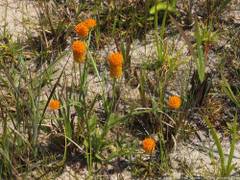
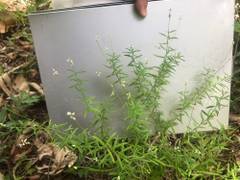
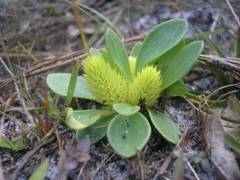
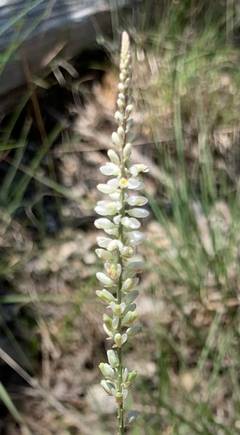
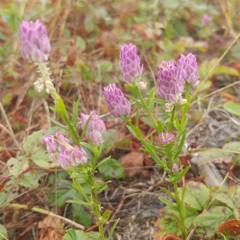
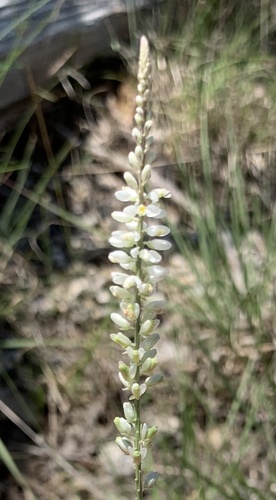
Senega is a genus of herbaceous perennials and subshrubs in the milkwort family, segregated from Polygala and containing roughly 40 species. Plants form clumps of erect to ascending stems 4-20 inches (10-50 cm) tall arising from a woody crown and taproot. Leaves are alternate, simple, entire, and lance-shaped to linear, 0.4-2.5 inches (1-6 cm) long, often crowded along the stems. Flowers are small, 0.1-0.3 inch (3-8 mm) long, borne in dense terminal racemes; each bloom has two petal-like lateral sepals (wings) flanking a keel petal that is often fringed at the tip, in white, greenish-white, pink, or rose depending on species. Flowering runs from late spring into summer, with northern species blooming May to July. Fruit is a small flattened two-seeded capsule, and the seeds bear a fleshy appendage. Roots of several species, including S. senega, contain triterpenoid saponins and release a wintergreen odor when cut. Most plants grow from a deep taproot and tolerate root disturbance poorly once established. Plants are slow to reach flowering size from seed, often taking two to three years.
Native Range
Senega species occur across North America, from Canada south through the United States into Mexico, with additional species in Central and South America. They grow in dry to mesic prairies, open woodlands, glades, rocky barrens, and roadsides, generally in well-drained soils from sea level to about 8,000 feet (2,400 m).Suggested Uses
Grown in prairie restorations, rock gardens, and native plant collections, spaced 8-12 inches (20-30 cm) apart. The deep taproot suits dry, lean soils but makes container culture and transplanting difficult. Some species, particularly S. senega, are cultivated for their medicinal roots.How to Identify
Appearance
Size & Dimensions
Height4" - 1'8"
Width/Spread6" - 1'
Bloom Information
Flowering spans late spring through summer across the genus. Northern temperate species such as S. senega bloom May through July, while southern species may flower into late summer. Individual racemes remain in flower for two to four weeks. Bloom timing shifts earlier in warm climates and at low elevation.
Detailed Descriptions
Flower Description
white, greenish-white, pink, or roseFoliage Description
greenGrowing Conditions
Sun Requirements
Requires 6-10 hours of direct sunlight daily
• Full Sun: 6+ hours of direct sunlight
• Partial Shade: 3-6 hours of direct sunlight
• Full Shade: Less than 3 hours of direct sunlight