Rosa, Genus, odorata, Species, 'Mutabilis', Cultivar,
- Genus & species
- Cultivar
Mutabilis rose
Ancient garden origin (likely China; documented in European cultivation since at least 1894 but possibly centuries older; mutabilis means 'changeable' in Latin and references the three-stage flower color shift; carries longer bloom seasons than most roses; butterfly-like single flowers; semi-evergreen in mild regional climates; zone 7 cold hardiness)
Overview
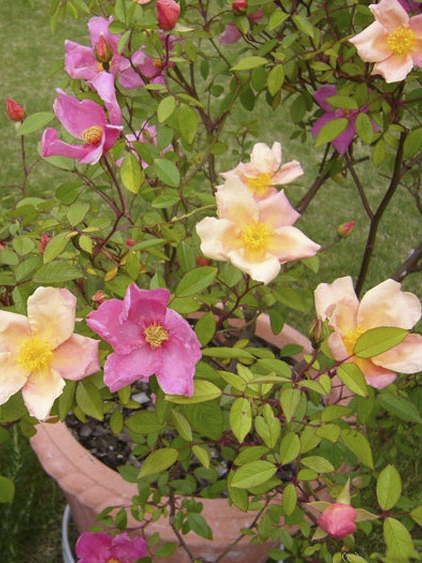
Rosa odorata 'Mutabilis' (also classified in commercial trade as R. chinensis 'Mutabilis') is a deciduous-to-semi-evergreen shrub rose reaching 4–8 feet (1.2–2.4 m) tall with a spread of 4–6 feet (1.2–1.8 m) and an open arching airy habit on slender canes with sparse foliage. An ancient China rose of unknown garden origin (documented in European cultivation since at least 1894, but possibly centuries older), the cultivar opens single flowers 2–3 inches (5–8 cm) wide that open sulfur-yellow, shift to coppery-pink as individual flowers age, then deepen to crimson before they drop—three distinct color stages stay visible simultaneously on the same plant, which is the trait the cultivar epithet records (mutabilis = changeable in Latin). Bloom runs continuously from May through frost in mild regional climates, which carries longer bloom seasons than most roses in commercial cultivation. Bronze-tinged new growth and small glossy dark green leaflets supply the foliage backdrop for the multicolored flower display. Growth rate runs moderate to fast. Hardy to zone 7. The open butterfly-like single flowers on slender stems create a light airy garden effect that separates the cultivar from typical full-petaled rose forms. Cold hardiness runs lower than most shrub roses, which restricts the cultivar's garden range to milder regional climates.
Native Range
Rosa odorata 'Mutabilis' is of ancient garden origin, likely from China. The exact parentage and the date of original selection are unknown to commercial documentation. The cultivar appears in European cultivation records from at least 1894, but the underlying plant may be substantially older than its first European documentation, which is consistent with the broader pattern of ancient Chinese garden roses entering Western horticulture during the 19th-century plant-collection era.Suggested Uses
Planted as a specimen, in mixed borders, or against warm walls at 4–5 foot (1.2–1.5 m) spacing in zone-7-and-warmer gardens. The three-stage simultaneous flower color display from yellow through copper to crimson runs the cultivar's defining ornamental contribution and separates it from any other rose in commercial cultivation. Butterfly-like single flowers on slender stems carry a light airy character that suits informal cottage and shrub border compositions. Continuous bloom from May through frost extends the contribution across the full growing season. Ancient China rose origin supplies a heritage-rose narrative element. Container cultivation requires a minimum 5-gallon pot. Open airy habit reads sparse when the cultivar runs as a solo specimen, so group plantings build fuller visual density. Cold-winter regional climates below zone 7 and garden positions where dense full habit is wanted are poor fits for the cultivar.How to Identify
Appearance
Size & Dimensions
Height4' - 8'
Width/Spread4' - 6'
Bloom Information
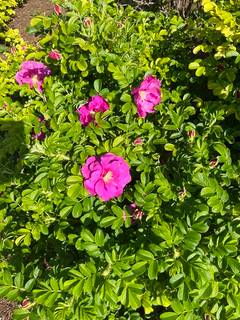
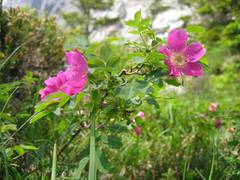
Single butterfly-like flowers 2–3 inches (5–8 cm) wide open sulfur-yellow, shift to coppery-pink as individual flowers age, then deepen to crimson before they drop. The three color stages stay visible simultaneously on the same plant across the active bloom window. Bloom runs May through frost in mild regional climates, which carries longer bloom seasons than most roses in commercial cultivation. A light tea fragrance carries through the bloom window.
Detailed Descriptions
Flower Description
Three-stage color shift from sulfur-yellow opening through coppery-pink to crimson aging—the three stages appear simultaneously across the same plant; single butterfly-like flowers 2-3 inches wide; May through frost; light tea fragranceFoliage Description
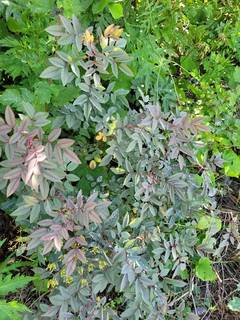
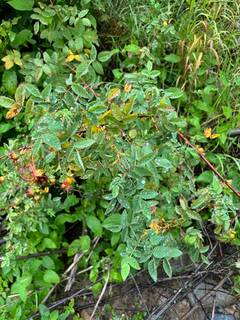
Bronze-tinged on new growth; matures to glossy dark green; small leaflets carried on slender canes; semi-evergreen in mild regional climates and deciduous in colder positionsGrowing Conditions
Sun Requirements
Requires 6-10 hours of direct sunlight daily
• Full Sun: 6+ hours of direct sunlight
• Partial Shade: 3-6 hours of direct sunlight
• Full Shade: Less than 3 hours of direct sunlight
Care & Maintenance
Care Guide
Full sun in well-drained soil (pH 6.0–7.0) matches the cultivar's cultivation needs. Hardy to zone 7 (0°F / −18°C)—cold hardiness runs lower than most shrub roses, which restricts the cultivar's garden range to milder regional climates. Cold-wind exposure in zone-7 positions damages the canes more readily than for the cold-hardier rose cultivars in commercial cultivation; sheltered positions extend the cultivar's reliability in marginal climates. In mild regional climates (zones 8–9), the cultivar reaches the upper end of its mature range at 8 feet. The open airy habit reads sparse when the cultivar runs as a solo specimen; group plantings of three or five plants build a fuller visual density. Disease resistance runs reasonable through the growing season.Pruning
Pruning runs in late winter to early spring as a light intervention only. The open airy habit is the cultivar's natural form, so heavy reduction pruning compromises the trademark visual character. Dead or damaged canes are removed cleanly at their base. In cold-zone positions where the cultivar dies back to ground level over winter, the plant regenerates from the crown the following spring and resumes bloom on the new wood within the first growing season after dieback.Pruning Schedule
Prune: February–March
early spring
Container Growing
Suitable for container growing
Minimum container size: 5 gallons