Rosa, Genus, 'Munstead Wood', Cultivar,
- Genus
- Cultivar
Rose 'Munstead Wood'
Overview
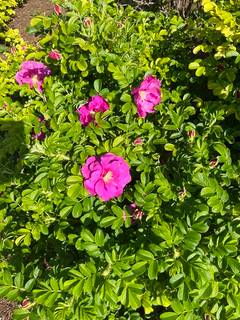
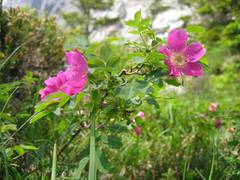
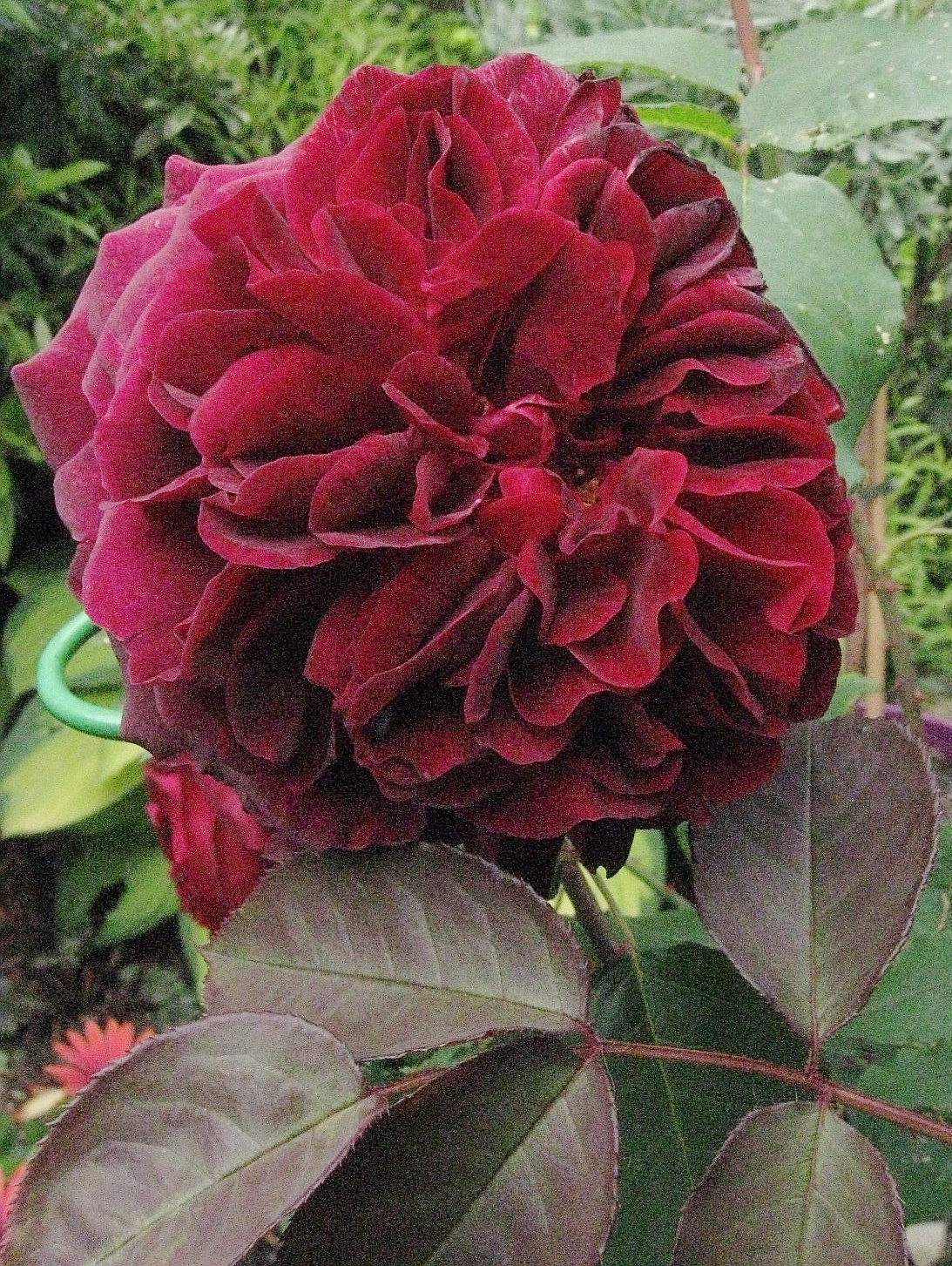
Rosa 'Munstead Wood' is a repeat-flowering English shrub rose bred by David Austin and introduced in 2007, named for the garden of Gertrude Jekyll. Plants reach 3–4 feet (90–120 cm) tall and about 3 feet (90 cm) wide with a bushy, upright habit. Flowers are deep crimson-purple, 3.5–4 inches (9–10 cm) across, with about 45 petals in a cupped to rosette form that opens flat. Buds are dark crimson and the open flowers fade slightly toward the edges in strong sun. Blooms are borne singly and in clusters of 3–5 on stems with few prickles. Leaves are pinnate, dark green, 3–5 inches (7.5–12.5 cm) long, with bronze new growth. Flowers have a strong fruity Old Rose fragrance. Plants are hardy in USDA zones 5–9 and bloom in repeated flushes from June to frost. Blackspot affects foliage in humid summers, and the compact habit limits the plant's use as a climber.
Native Range
Rosa 'Munstead Wood' is a garden cultivar developed in England by David Austin Roses, registered in 2007. The genus Rosa is native to the temperate Northern Hemisphere.Suggested Uses
Used in mixed borders, rose beds, and containers, spaced 30–36 inches (75–90 cm) apart. Cut flowers last 5–7 days in water. Containers are 15–20 inches (38–50 cm) wide.How to Identify
Appearance
Size & Dimensions
Height3' - 4'
Width/Spread2'6" - 3'
Bloom Information
Detailed Descriptions
Foliage Description
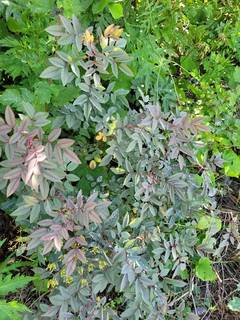
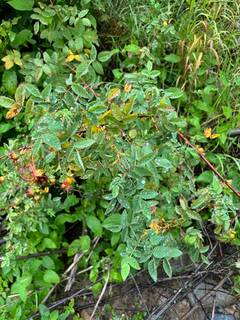
Dark green with bronze new growthGrowing Conditions
Sun Requirements
Requires 6-10 hours of direct sunlight daily
• Full Sun: 6+ hours of direct sunlight
• Partial Shade: 3-6 hours of direct sunlight
• Full Shade: Less than 3 hours of direct sunlight
Care & Maintenance
Care Guide
Plants grow in full sun with at least 6 hours of direct light in fertile, well-drained loam with a pH of 6.0–6.5. Water is applied at 1–2 inches (25–50 mm) per week at the soil surface to limit blackspot. Spacing of 3 feet (90 cm) allows air movement between plants. A 2–3 inch (5–7.5 cm) mulch layer and a balanced rose fertilizer in early spring and after the first flush support repeat bloom. Hardiness covers USDA zones 5–9. Blackspot occurs in humid summers, and flowers scorch at the petal edges in temperatures above 90 °F (32 °C).Pruning
Stems are reduced by one-third in late winter before buds swell, and dead, crossing, and weak canes are cut to the base. Spent flowers are cut back to the first five-leaflet leaf to encourage repeat bloom. Older canes are removed at ground level every 3–4 years.Pruning Schedule
Prune: February–March
winterearly spring
Container Growing
Suitable for container growing
Minimum container size: 10 gallons