Rosa, Genus, 'Double Knock Out', Cultivar,
- Genus
- Cultivar
double knock out rose
Garden hybrid — bred by William Radler; introduced 2004 as the double-flowered version of the original Knock Out (2000)
Overview
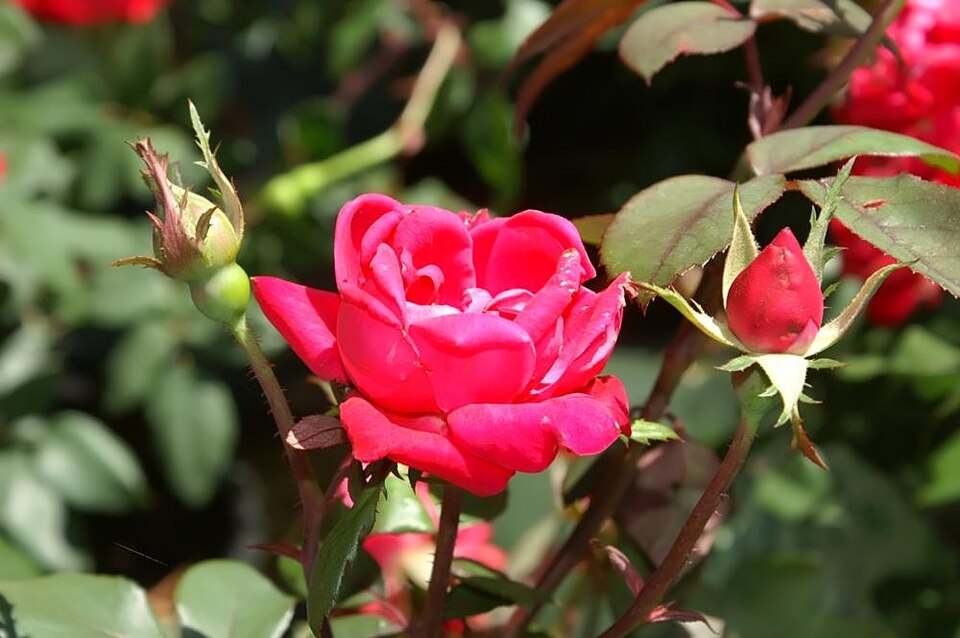
Rosa 'Double Knock Out' is a self-cleaning shrub rose, growing 36–48 inches (90–120 cm) tall and wide. Cherry red fully double flowers 3 inches (7 cm) across bloom continuously from spring through first frost — 28+ weeks of uninterrupted flowering in most zones. Self-cleaning: spent petals drop without deadheading. High resistance to black spot (Diplocarpon rosae), the fungal disease that defoliates susceptible rose cultivars and historically required regular fungicide applications. Bred by William Radler; the original single-flowered 'Knock Out' was introduced in 2000, and 'Double Knock Out' (with fully double flowers) followed in 2004. Not fragrant — the disease resistance breeding selected against fragrance genes. Blooms on new wood — hard spring pruning to 12–18 inches (30–45 cm) produces vigorous regrowth and flowering. Non-toxic. Zones 5–10. Full sun (6+ hours). Tolerates heat and humidity. Japanese beetles feed on the flowers and foliage in affected regions — the primary pest. Deer browse on the soft new growth and flowers. Powdery mildew may develop in humid conditions with poor air circulation despite the black spot resistance.
Native Range
'Double Knock Out' was bred by William Radler; introduced 2004.Suggested Uses
Grown in garden beds, foundation plantings, hedges, and mass plantings spaced 36–48 inches (90–120 cm) apart in full sun. Suited to landscapes where continuous color is needed without regular maintenance. Non-toxic. Zones 5–10.How to Identify
Appearance
Size & Dimensions
Height3' - 4'
Width/Spread3' - 4'
Colors
Bloom Information
Detailed Descriptions
Flower Description
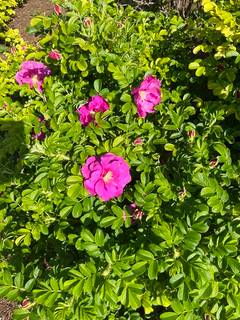
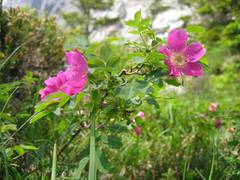
Cherry RED, DOUBLE (fully petaled), self-cleaning — continuous bloom from spring to frostFoliage Description
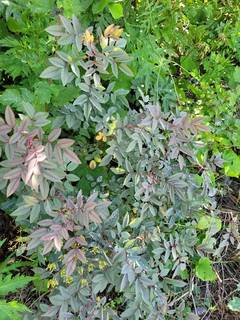
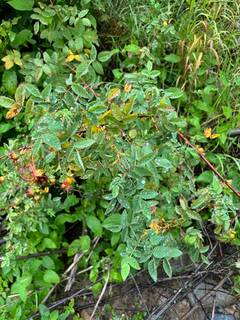
Dark green with burgundy-purple new growth, glossy, disease-resistantGrowing Conditions
Sun Requirements
Requires 6-10 hours of direct sunlight daily
• Full Sun: 6+ hours of direct sunlight
• Partial Shade: 3-6 hours of direct sunlight
• Full Shade: Less than 3 hours of direct sunlight
Care & Maintenance
Care Guide
Full sun (6+ hours). Cut back to 12–18 inches (30–45 cm) in early spring. Self-cleaning — no deadheading. High black spot resistance. Not fragrant. Tolerates heat and humidity. Non-toxic. Japanese beetles are the primary pest in affected regions. Zones 5–10.Pruning
Cut back to 12–18 inches (30–45 cm) in early spring. Blooms on new wood — hard pruning increases vigor and flower production. Remove dead or crossing canes. No deadheading required.Pruning Schedule
Prune: February–March
late winter
Container Growing
Suitable for container growing
Minimum container size: 10 gallons