Rosa, Genus, chinensis, Species,
- Genus & species
China rose
Overview
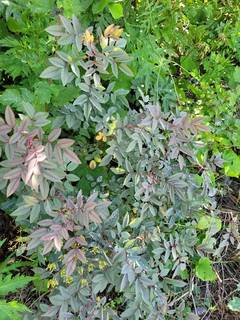
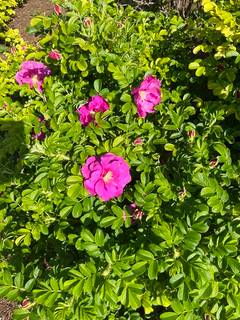
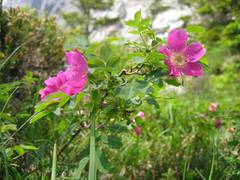
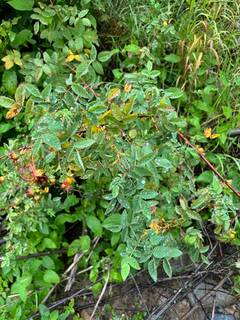
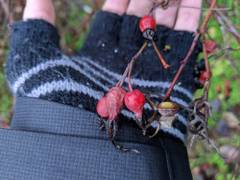
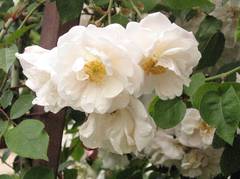
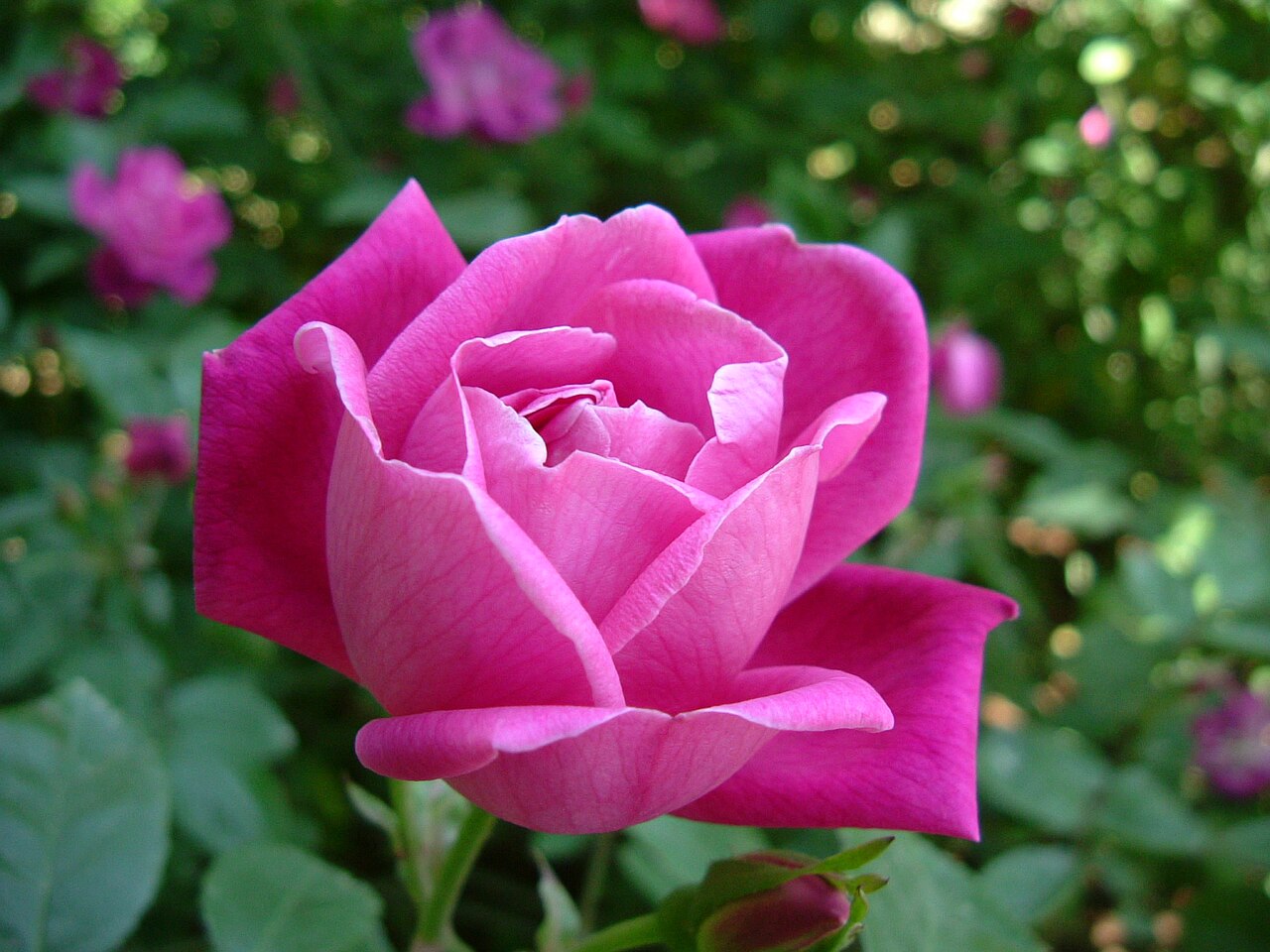
Rosa chinensis is a semi-evergreen shrub rose reaching 3-6 feet (0.9-1.8 m) tall and 3-4 feet (0.9-1.2 m) wide, with slender green canes carrying scattered hooked prickles about 0.2 inch (5 mm) long. Leaves are pinnate with 3-5 leaflets, against the 5-7 leaflets of most European species roses; each leaflet is ovate, 1-2.5 inches (2.5-6 cm) long, glossy above, and flushed red-bronze on emerging growth. Flowers are 2-2.5 inches (5-6 cm) across, borne singly or in loose clusters of 2-6 at the shoot tips, and the wild form carries five petals that deepen from pale pink to crimson over about three days rather than paling. Garden forms carry 20-40 petals. Flowering repeats in flushes of 5-6 weeks from late spring until frost, a trait carried into the Hybrid Perpetual and Hybrid Tea groups when the species was crossed with European roses after reaching Britain in 1792. Hips are orange-red, 0.4-0.8 inch (1-2 cm) long, ripening September to November. Canes are killed to the ground below 0F (-18C), which holds the species to USDA zones 7-10, and black spot strips the foliage by midsummer in humid regions where no fungicide is applied.
Native Range
Rosa chinensis is native to central and southwestern China, where wild populations of Rosa chinensis var. spontanea grow on cliffs and scrub slopes in Sichuan, Guizhou, and Hubei between 1,000 and 4,900 feet (300-1,500 m). Cultivated forms were grown in Chinese gardens for centuries before reaching Europe, with Slater's Crimson China arriving in 1792 and Parsons' Pink China in 1793. The species is now grown through warm-temperate and subtropical regions worldwide.Suggested Uses
Planted at 3-4 foot (0.9-1.2 m) spacing in mixed borders, as a low informal hedge, and in courtyard gardens across USDA zones 7-10. Container culture in pots of 7 gallons (26 L) or larger holds plants for 4-5 years before the roots fill the volume. Single-flowered forms are worked by bumblebees and hoverflies for pollen, and the hips are taken by birds from October onward.How to Identify
Appearance
Size & Dimensions
Height3' - 6'
Width/Spread3' - 4'
Bloom Information
Flowering starts in late April or May in USDA zones 8-10 and in mid-May to June in zone 7, then repeats in flushes of 5-6 weeks until temperatures fall below 40F (4C). Each flush follows about 6-7 weeks after the last, on growth made since the previous bloom. Individual flowers hold 4-6 days, opening pale pink and deepening to crimson. In zones 9-10 scattered flowers open through winter.
Detailed Descriptions
Flower Description
Pale pink deepening to crimsonFoliage Description
Glossy medium green, red-bronze on new growthGrowing Conditions
Sun Requirements
Requires 6-12 hours of direct sunlight daily
• Full Sun: 6+ hours of direct sunlight
• Partial Shade: 3-6 hours of direct sunlight
• Full Shade: Less than 3 hours of direct sunlight
Care & Maintenance
Care Guide
Six or more hours of direct sun carries full flowering; below 4 hours the canes stretch and flower counts fall by about half. Loam at pH 6.0-7.0 with steady moisture suits the roots, and free drainage matters where winter rainfall exceeds 30 inches (760 mm). Water at 1-1.5 inches (25-38 mm) per week through the growing season, applied at the base rather than over the foliage, since leaves that stay wet overnight develop black spot. A balanced fertilizer at 1 ounce per square yard (30 g per square meter) after each flush carries the next one, with the final application 8 weeks before first frost. Aphids build on shoot tips in spring, black spot and powdery mildew appear in humid summers, and rose rosette virus, spread by eriophyid mites, kills infected plants in North America within 1-3 years. Canes die back below 0F (-18C), and a 6-8 inch (15-20 cm) mound of soil or compost over the crown carries plants through zone 7 winters.Pruning
Pruning in late winter, once buds swell and before growth extends, removes dead and crossing canes and shortens the remainder by about one third. Cuts are made 0.25 inch (6 mm) above an outward-facing bud. Flowers form on new growth, so this cut does not remove the coming season's bloom. Canes older than four years carry fewer flowers and are cut to the base, leaving 4-6 main canes on a mature plant.Pruning Schedule
Prune: February–March
early spring
Container Growing
Suitable for container growing
Minimum container size: 7 gallons