Image 1 of 10
1 / 10
© No machine-readable author provided. Curtis Clark assumed (based on copyright claims)., some rights reserved (CC-BY-SA) · Wikimedia Commons
Rosa, Genus, californica, Species,
- Genus & species
California wild rose
Overview
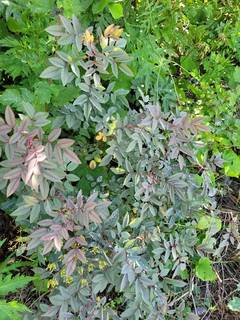
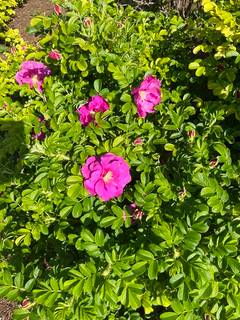
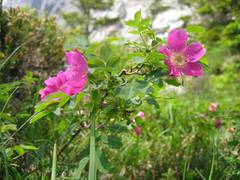
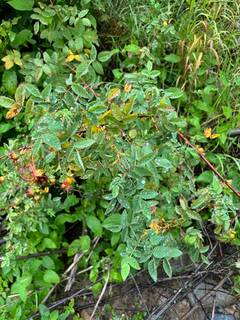
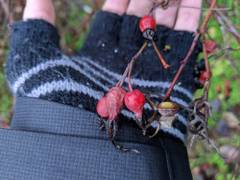
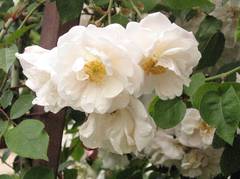
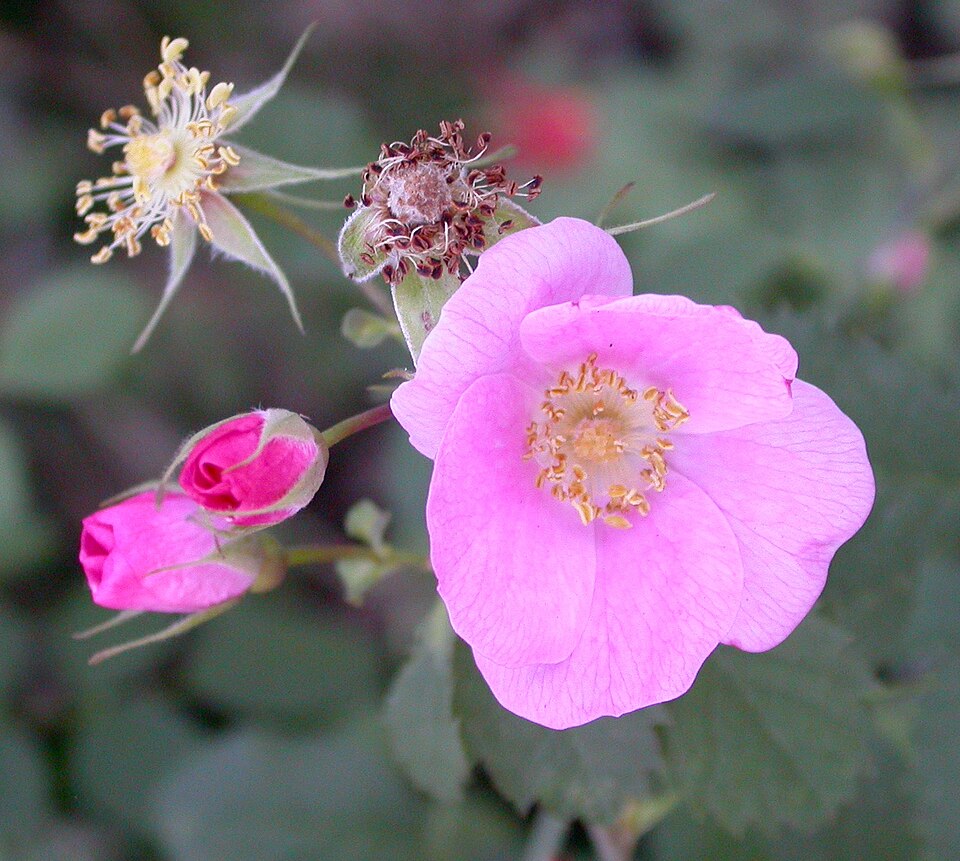
Rosa californica is a deciduous shrub native to the western United States, growing 3-8 feet (0.9-2.4 m) tall and spreading by rhizomes into thickets 6 feet (1.8 m) or more across. The arching, prickly canes carry compound leaves of five to seven toothed leaflets, each 0.5-1.5 inches (1-4 cm) long. Clusters of pink flowers 1.5-2 inches (4-5 cm) wide open from May to August, each with five petals and a center of yellow stamens, carrying a light fragrance. By autumn the flowers form round to oval red hips 0.5 inch (1.3 cm) long that persist into winter. The plant grows along streambanks, in valleys, and on slopes below 6,000 feet (1,800 m), tolerating seasonal flooding and summer drought once established. The curved prickles and suckering habit make it hard to contain in small gardens. Hips and dense cover support birds and small mammals.
Native Range
Native to the western United States and northern Baja California, ranging through California into southern Oregon, chiefly in the Coast Ranges, Sierra Nevada foothills, and Central Valley.Suggested Uses
Used for habitat plantings, streambank stabilization, and informal hedgerows on large sites. The thicket habit forms a barrier and screens space. It combines with other western natives in dry or riparian gardens.How to Identify
Appearance
Size & Dimensions
Height3' - 8'
Width/Spread4' - 6'
Bloom Information
Flowers open from May through August, peaking in June and July. Pink five-petaled blooms appear in clusters of 3-30 at the cane tips. Individual flowers last a few days, with each cluster blooming over several weeks.
Detailed Descriptions
Foliage Description
greenGrowing Conditions
Sun Requirements
Requires 6-12 hours of direct sunlight daily
• Full Sun: 6+ hours of direct sunlight
• Partial Shade: 3-6 hours of direct sunlight
• Full Shade: Less than 3 hours of direct sunlight
Care & Maintenance
Care Guide
Grows in full sun to part shade in a wide range of soils from sand to clay, with a pH of 6.0-7.5. Tolerates seasonal flooding, heavy clay, and extended summer drought once roots establish. Occasional deep watering in the first two summers speeds establishment in dry sites. Rhizomes spread to form thickets, which can be limited by removing suckers each season. Hardy in USDA zones 6-10. Rust, blackspot, and aphids occur but rarely require treatment on established plants.Pruning
Thinning the oldest canes at the base in late winter keeps thickets open and renews flowering wood. Suckers are dug out to limit spread. Hard renewal cutting every few years controls size on vigorous plants.Pruning Schedule
Prune: February
winter