Rhododendron, Genus, 'Nova Zembla', Cultivar,
- Genus
- Cultivar
Nova Zembla rhododendron
Hybrid cultivar origin; bred in the Netherlands
Overview
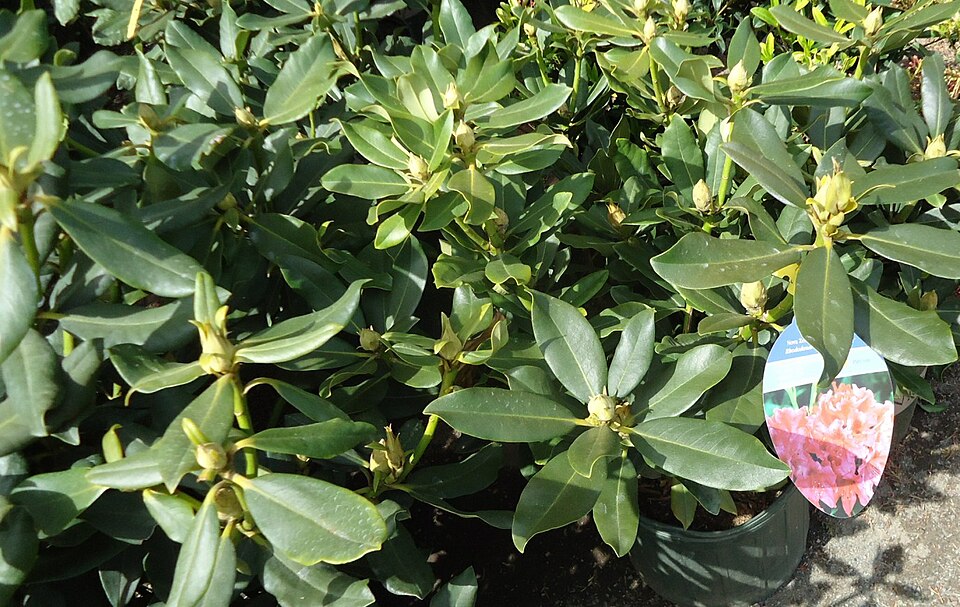
Rhododendron 'Nova Zembla' is a red-flowered rhododendron, growing 60–96 inches (150–240 cm) tall and wide. Red to deep pink flowers with darker spotting in the throat, arranged in rounded trusses 4–6 inches (10–15 cm) across in late spring (May–June). Named after the Novaya Zemlya archipelago in the Russian Arctic — referencing the cultivar's cold hardiness. Zone 4 hardy (−25°F / −32°C). A hybrid bred in the Netherlands, with R. catawbiense in its parentage contributing the cold hardiness. Dark green leathery oblong evergreen leaves 4–7 inches (10–18 cm). Leaves curl downward and droop in cold temperatures (thermonasty) — a protective mechanism to reduce water loss and freeze damage; they uncurl as temperatures rise. Requires acidic soil (pH 4.5–5.5) — interveinal chlorosis develops in alkaline conditions. Shallow fibrous root system — mulch with 2–3 inches (5–7 cm) of pine bark or needles. Phytophthora root rot in waterlogged conditions. Lace bugs on the leaf undersides in sunny positions cause stippled, silvered foliage. All parts contain grayanotoxins — toxic to humans and animals if ingested. Deer browse the foliage, particularly in winter. Partial shade to full morning sun with afternoon shade. Growth rate is slow — 3–6 inches (7–15 cm) per year. Tolerates more sun exposure than many rhododendron cultivars, though hot afternoon sun in zones 7–8 scorches foliage.
Native Range
Hybrid cultivar bred in the Netherlands. R. catawbiense (native to the Appalachian Mountains of eastern North America) is in the parentage, contributing cold hardiness.Suggested Uses
Grown as a specimen, screen, or foundation planting in zones 4–8, spaced 60–96 inches (150–240 cm) apart. Partial shade. Acidic soil required. Toxic (grayanotoxins). Deer browse foliage.How to Identify
Appearance
Size & Dimensions
Height5' - 8'
Width/Spread5' - 8'
Bloom Information
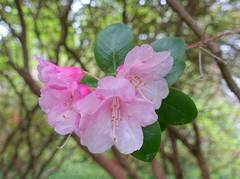
Late spring (May–June), lasting 2–3 weeks. Red to deep pink flowers with darker spotting in rounded trusses 4–6 inches (10–15 cm). Blooms on old wood — prune immediately after flowering.
Detailed Descriptions
Flower Description
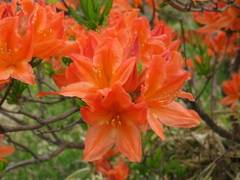
Red to deep pink with darker spottingFoliage Description
Dark green, leathery, oblongGrowing Conditions
Sun Requirements
Requires 3-6 hours of direct sunlight daily
• Full Sun: 6+ hours of direct sunlight
• Partial Shade: 3-6 hours of direct sunlight
• Full Shade: Less than 3 hours of direct sunlight
Care & Maintenance
Care Guide
Partial shade to full morning sun / afternoon shade. Acidic soil pH 4.5–5.5 required. Mulch with pine bark or needles. Shallow root system. Phytophthora root rot in wet soil. Lace bugs in sunny positions. Toxic (grayanotoxins). Deer browse foliage. Zone 4 hardy. Zones 4–8.Pruning
Prune for shape immediately after flowering — blooms on old wood. Snap off spent flower trusses by hand to redirect energy from seed production. Avoid late-season pruning, which removes next year's flower buds.Pruning Schedule
Prune: June
spring