Rhododendron, Genus, spp., Multiple species,
- Genus
- Multiple species
rhododendrons and azaleas
Mountains of Asia (Himalayas and southwestern China), with species native to North America, Europe, Southeast Asia, and New Guinea
Overview
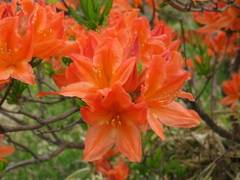
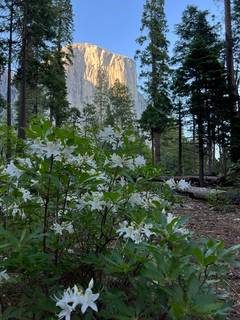
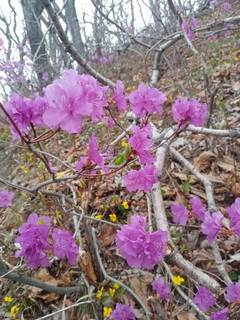
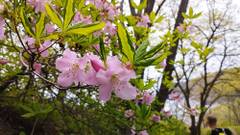
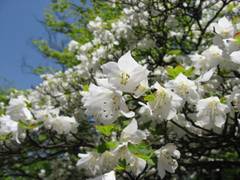
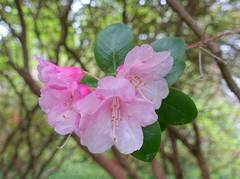
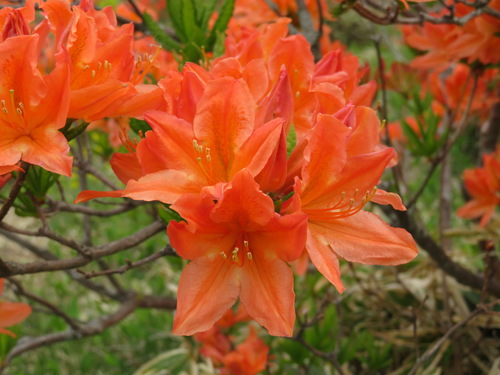
Rhododendron is a genus of about 1,000 species of shrubs and small trees in the Ericaceae family, including the plants commonly split into rhododendrons and azaleas. The genus is centered in the mountains of Asia, particularly the Himalayas and southwestern China, with additional species native to North America, Europe, and the highlands of Southeast Asia and New Guinea. Size ranges from ground-hugging alpine shrubs under 12 inches (30 cm) to tree forms reaching 40 feet (12 m) in the wild. Leaves are typically alternate, simple, and leathery, 0.5-12 inches (1-30 cm) long, evergreen in most rhododendrons and deciduous in many azaleas. Flowers open in clusters called trusses, each bloom funnel- to bell-shaped and 0.5-4 inches (1-10 cm) across, in shades of pink, purple, red, white, yellow, and orange. Plants need acidic, well-drained soil rich in organic matter and have shallow, fibrous roots that dry out quickly and rot in waterlogged ground. All parts contain grayanotoxins, which poison people, dogs, cats, and livestock if eaten, and even honey made from the nectar can be toxic. Bloom is concentrated in spring and early summer. Most species grow poorly in alkaline soil, where iron deficiency turns the leaves yellow.
Native Range
The genus is concentrated in the Himalayas and the mountains of southwestern China, with secondary centers in Southeast Asia, New Guinea, North America, and Europe. North American species include R. maximum and several deciduous azaleas of the eastern woodlands.Suggested Uses
Grown as foundation plantings, woodland borders, and shaded shrub borders in acidic-soil regions. Compact and dwarf forms are used in containers and rock gardens, while large species form screens and informal hedges. Spring flowers draw bees and hummingbirds.How to Identify
Appearance
Size & Dimensions
Height1' - 40'
Width/Spread1' - 20'
Colors
Bloom Information
Most species flower from early spring to early summer, between March and July depending on species and climate. Bloom on an individual plant lasts roughly 2-3 weeks, with alpine and early species opening first and later hybrids extending the season. Flowers form in buds set the previous summer, so a hard freeze in late winter can destroy the coming display. A few species rebloom lightly in fall.
Detailed Descriptions
Flower Description
pink, purple, red, white, yellow, and orangeFoliage Description
greenGrowing Conditions
Sun Requirements
Requires 2-6 hours of direct sunlight daily
• Full Sun: 6+ hours of direct sunlight
• Partial Shade: 3-6 hours of direct sunlight
• Full Shade: Less than 3 hours of direct sunlight
Care & Maintenance
Care Guide
Plants in this genus grow in part shade with shelter from hot afternoon sun and drying wind, though some small-leaved species tolerate full sun in cool climates. They require acidic soil at pH 4.5-6.0 that is moist, well-drained, and high in organic matter; the shallow root system suffers in heavy clay and in soils that stay wet. A bark or pine-needle mulch keeps the roots cool and conserves moisture. Chlorosis appears when soil pH rises above about 6.5, blocking iron uptake. Common problems include root rot from Phytophthora, powdery mildew, lace bugs, and vine weevil. Hardiness runs from USDA zones 4 to 9 depending on species.Pruning
Prune just after flowering, since next year's buds form in summer and later cuts remove the coming blooms. Deadheading spent trusses by hand directs energy into growth rather than seed. Old, leggy plants of many species resprout when cut back into bare wood, though some azaleas regrow slowly.Container Growing
Suitable for container growing
Minimum container size: 5 gallons