Raphanus, Genus, spp., Multiple species,
- Genus
- Multiple species
radishes
Eastern Mediterranean and Asia; long cultivated, with an uncertain wild origin
SunFull Sun – Part Shade
WaterMedium
Overview
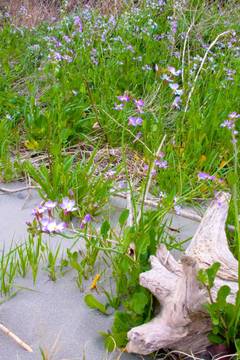
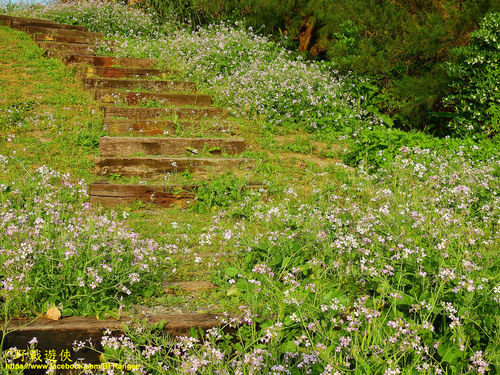
Raphanus is a small genus of annual and biennial herbs in the cabbage family (Brassicaceae), the radishes, native to the eastern Mediterranean and Asia and grown around the world as a root vegetable. The cultivated radish R. sativus forms a rosette of rough, lobed leaves above a swollen root that may be round or long and colored red, pink, white, purple, or black, from the small salad radishes harvested in three to four weeks to the large winter and daikon types. If left to grow, plants send up branched flowering stems 1 to 3 ft (30 to 90 cm) tall bearing four-petaled white, pink, or pale-yellow flowers, followed by plump seed pods that stay closed at maturity. R. raphanistrum, wild radish, is a widespread weed of fields and roadsides with similar flowers and a slender, beaded pod. The genus grows fast in cool weather, and warm temperatures and long days push the plants to bolt and flower, which turns the roots woody and sharp. Radishes are grown as a quick spring and autumn crop and as a cover and trap crop on farms.
Native Range
The cultivated radish has been grown for so long that its exact wild origin is uncertain, but the genus is native to the eastern Mediterranean, the Middle East, and central and eastern Asia. Wild radish has spread as a weed across temperate regions worldwide, including much of North America.Suggested Uses
Raphanus is grown as a fast root vegetable in kitchen gardens, raised beds, and containers, and as a quick catch crop between slower vegetables. Radishes are sown to mark rows of slow-germinating seeds and as a cover and forage crop that loosens soil with its roots. The flowers and young seed pods of some types are also eaten, and bolted plants draw pollinators.How to Identify
Appearance
Size & Dimensions
Height6" - 3'
Width/Spread6" - 1'6"
Bloom Information
Flowering follows bolting, mostly in late spring and summer as days lengthen and temperatures rise. The branched stems carry loose clusters of four-petaled flowers over several weeks, drawing bees and hoverflies. Seed pods swell soon after and ripen as the plant dies, in the annual types within a single season.
Detailed Descriptions
Flower Description
white, pink, or pale yellow with purple veinsFoliage Description
greenGrowing Conditions
Sun Requirements
Requires 5-8 hours of direct sunlight daily
• Full Sun: 6+ hours of direct sunlight
• Partial Shade: 3-6 hours of direct sunlight
• Full Shade: Less than 3 hours of direct sunlight
Water & Climate
Water Needs
Care & Maintenance
Care Guide
Raphanus grows in full sun and loose, fertile, well-drained soil at a pH of about 6.0 to 7.0, with steady moisture for tender, evenly formed roots. Seed is sown directly where plants are to grow, in early spring and again in late summer for an autumn crop, since the plants do not transplant well. Cool weather suits the genus, and summer heat and long days cause early bolting, woody roots, and a hot, pithy texture. Even watering keeps the roots from cracking or turning sharp, and thinning the seedlings gives each room to swell. Most radishes mature quickly, from about three weeks for small types to two months for winter kinds. Flea beetles, root maggots, and club root are the main problems, all shared with other brassicas.Pruning
Radishes are not pruned. Thinning the young seedlings to 1 to 2 in (2.5 to 5 cm) apart gives each plant room to form a root. Pulling the roots promptly once they reach full size keeps them crisp, as radishes left in warm ground quickly turn woody and split.Container Growing
Suitable for container growing
Minimum container size: 2 gallons