Image 1 of 7
1 / 7
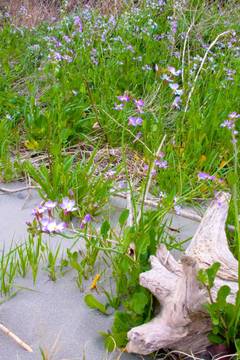
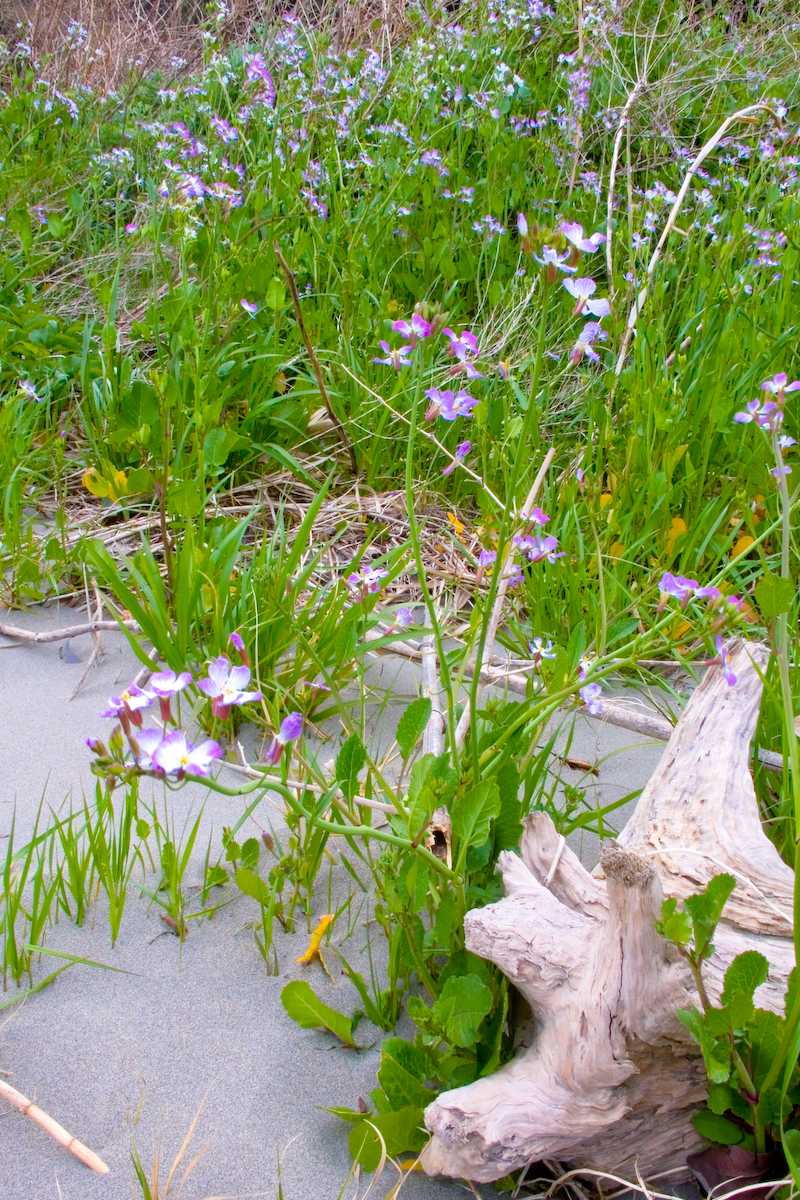
Species photo — your cultivar may vary
© No machine-readable author provided. N yotarou assumed (based on copyright claims)., some rights reserved (CC-BY) · Wikimedia Commons
Raphanus, Genus, sativus, Species, 'Cherry Belle', Cultivar,
- Genus & species
- Cultivar
Cherry Belle Radish
Cultivar of garden origin; the species is native to the Mediterranean and western Asia
Overview
Raphanus sativus 'Cherry Belle' is a fast-maturing round-rooted annual radish in the family Brassicaceae (mustard family) reaching 4-8 inches (10-20 cm) tall and 3-6 inches (8-15 cm) wide. The cultivar produces a bright cherry-red globe-shaped root 0.75-1 inch (2-2.5 cm) in diameter with smooth thin skin, crisp white flesh, and a mild slightly peppery flavor. Leaves are medium green, oblong to spatulate, 3-6 inches (8-15 cm) long, and rough-hairy. Maturity is 22-28 days from direct sowing, which ranks with the fastest vegetable crops from seed to harvest grown in the Pacific Northwest. An All-America Selections winner in 1949. The rapid maturity has carried 'Cherry Belle' into standard beginner and children's gardening curricula. Bolts rapidly in heat above 75°F (24°C) and day lengths above 14 hours; roots become pithy and pungent if harvest is delayed beyond 1 inch (2.5 cm) diameter. The 1949 All-America Selections designation and continuous 75-plus year commercial availability have established 'Cherry Belle' as a standard spring radish cultivar in North American seed catalogs.
Native Range
The species Raphanus sativus is native to the Mediterranean and western Asia. The cultivar 'Cherry Belle' was an All-America Selections winner in 1949 and has remained a standard spring radish in North American seed catalogs for more than 75 years.Suggested Uses
Planted in vegetable gardens, salad gardens, children's gardens, containers (1 gallon or larger), and as interplants between slower-maturing crops. Eaten raw in salads, with butter and salt, on sandwiches, or in crudité. The 22-28 day maturity is the fastest in this collection and a standard introduction to vegetable gardening for children and beginners. The open-pollinated habit supports seed-saving teaching.How to Identify
Appearance
Size & Dimensions
Height4" - 8"
Width/Spread3" - 6"
Bloom Information
Bolts in response to heat and long days. Flowers are four-petaled (typical Brassicaceae cruciform), white to pale pink. Fruit is a spongy silique (seed pod) 1-3 inches (2.5-8 cm) long carrying several seeds. Open-pollinated; crosses with other Raphanus sativus cultivars. Isolation of 0.5 mile (0.8 km) supports true-to-type seed saving.
Detailed Descriptions
Flower Description
White to pale pink; four-petaled; borne only on bolting plantsFoliage Description
Medium green; oblong to spatulate; rough-hairy; with irregularly toothed margins; deciduousGrowing Conditions
Sun Requirements
Requires 4-10 hours of direct sunlight daily
• Full Sun: 6+ hours of direct sunlight
• Partial Shade: 3-6 hours of direct sunlight
• Full Shade: Less than 3 hours of direct sunlight
Care & Maintenance
Care Guide
Direct sown 0.5 inch (1 cm) deep, 3-5 weeks before the last frost, spacing 2 inches (5 cm) apart in rows 6 inches (15 cm) apart. Successive sowings every 7-10 days extend the harvest through spring. Sowing pauses in summer and resumes in September for fall harvest. Consistent moisture prevents pithy cracked roots. Harvest falls at 0.75-1 inch (2-2.5 cm) diameter, 22-28 days after sowing. Delayed harvest turns roots pithy, hollow, and pungent within days of reaching maturity. The rapid cycle makes 'Cherry Belle' a standard interplanting and succession crop. Container culture in 1-gallon pots or larger is feasible.Pruning
Pruning does not apply. Harvest pulls entire plants. Thinnings at 1 inch (2.5 cm) tall are edible as microgreens.Container Growing
Suitable for container growing
Minimum container size: 1 gallons
Toxicity
Non-toxicPlanting Guide
Planting Methods & Timing
Planting Method
direct sow
Direct Sow Timing
3-5 weeks before last frost; successive sowings every 7-10 days through spring; resume in early fall
Days to Maturity
22–28 days
Plant Spacing
2 inches