Pulsatilla, Genus, nuttalliana, Species,
- Genus & species
prairie pasqueflower
Overview
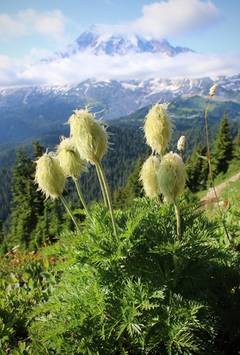
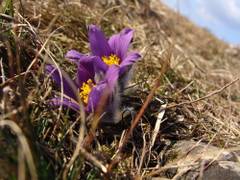
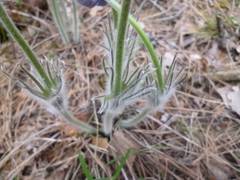
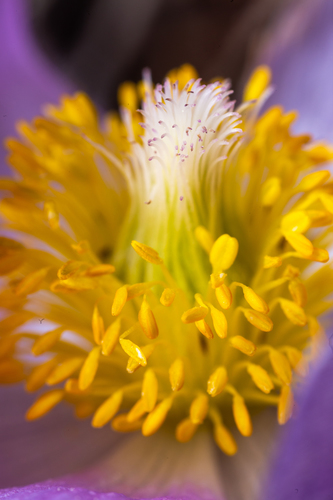
Pulsatilla nuttalliana is a low clump-forming perennial in the buttercup family, growing 6-16 inches (15-40 cm) tall, with the whole plant covered in soft silvery hairs. Among the first prairie wildflowers to bloom each spring, it opens cup-shaped flowers 1.5-2.5 inches (4-6 cm) across in early spring, often as snow recedes and before the leaves fully expand. The flowers are pale lavender to blue-violet, occasionally white, with five to eight petal-like sepals surrounding a boss of yellow stamens. Deeply divided, fern-like leaves emerge with or just after the flowers and form a basal tuft. After bloom, each flower develops into a rounded head of seeds tipped with long silky plumes 1-2 inches (2.5-5 cm) long that catch the wind. The plant grows from a stout taproot on dry prairies, slopes, and open ground, and grows poorly in wet or heavy soils. All parts contain protoanemonin and are toxic if eaten, and the fresh sap can irritate skin on contact. Established clumps spread slowly and transplant poorly once the taproot is set.
Native Range
Pulsatilla nuttalliana is native to North America, ranging across the prairies and foothills from Alaska and western Canada south through the Great Plains and Rocky Mountains on dry grassland and open slopes.Suggested Uses
Grown in rock gardens, gravel gardens, dry borders, and native prairie or meadow plantings where drainage is sharp. It suits the front of a bed or a trough at 8-12 inches (20-30 cm) spacing. The early flowers and plumed seed heads extend interest from late winter into summer.How to Identify
Appearance
Size & Dimensions
Height6" - 1'4"
Width/Spread6" - 1'
Bloom Information
Flowering begins in early spring, often March to May depending on elevation and latitude, sometimes while frost still occurs at night. Each clump produces a succession of flowers over two to three weeks. The plumed seed heads follow and remain showy into early summer.
Detailed Descriptions
Flower Description
pale lavender to blue-violetFoliage Description
green with silvery hairsGrowing Conditions
Sun Requirements
Requires 6-10 hours of direct sunlight daily
• Full Sun: 6+ hours of direct sunlight
• Partial Shade: 3-6 hours of direct sunlight
• Full Shade: Less than 3 hours of direct sunlight
Care & Maintenance
Care Guide
Pulsatilla nuttalliana needs full sun and sharp, free-draining soil, including sandy, gravelly, or rocky ground, at a pH near 6.0-7.5. It withstands cold, wind, and drought once established but fails on wet or poorly drained sites, especially in winter. Water sparingly, because the taproot stores moisture and excess water causes rot. No fertilizer is needed on lean soils. Because the deep taproot transplants poorly, young seedlings are set in their final position and left undisturbed. Hardy in USDA zones 3-7, it tolerates severe winter cold under snow.Pruning
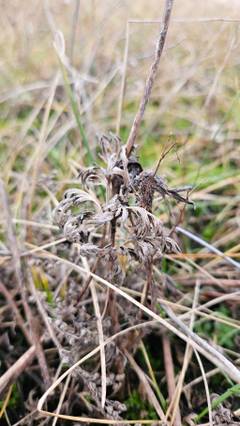
No routine pruning is required. The plumed seed heads can be left to disperse or removed once they fade. Old foliage is cleared as it dies back in summer.Container Growing
Suitable for container growing
Minimum container size: 1 gallons