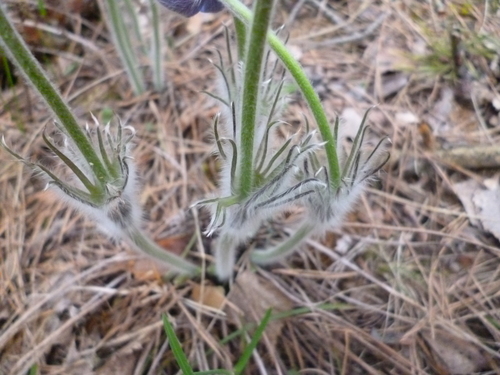
Pulsatilla, Genus, patens, Species,
- Genus & species
eastern pasque flower
Circumpolar — northern and central North America, Europe, and Asia; prairies, open woodlands, and dry slopes
Overview
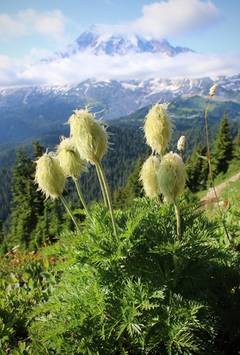
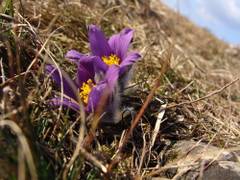
Pulsatilla patens is eastern pasque flower (spreading pasque flower), a low clumping perennial growing 6-12 inches (15-30 cm) tall and 8-12 inches (20-30 cm) wide. Blue-violet to lavender-purple cup-shaped flowers 2-3 inches (5-7 cm) diameter with a golden stamen center, covered in silky hairs on the exterior. The flowers emerge before the foliage on silky-hairy stems in early spring (March-April) — one of the first perennials to bloom, sometimes through late-season snow. Followed by feathery plumose seed heads that persist 4-6 weeks. Silver-green finely dissected (palmately divided) silky-hairy foliage expands after bloom. In the buttercup family (Ranunculaceae). Circumpolar distribution — native to prairies and dry open habitats across North America, Europe, and Asia. The thick taproot resents transplanting — establish from seed or young container plants only. Does not tolerate wet winter soil or summer irrigation — crown rot in moist conditions is the primary limitation. All parts contain protoanemonin — toxic to humans and pets; causes skin irritation on contact. The plant goes semi-dormant in late summer heat. Deer-resistant. Drought-tolerant once established. Zones 2-7. Full sun. Growth rate is slow.
Native Range
Circumpolar distribution — native to northern and central North America, Europe, and Asia. Found on prairies, open woodlands, and dry slopes.Suggested Uses
Grown in rock gardens, alpine gardens, prairie restorations, and containers of at least 3 gallons (11 L) with sharp drainage. One of the first spring perennials to bloom. Feathery seed heads. Native to North America (circumpolar). All parts toxic. Deer-resistant. Zones 2-7.How to Identify
Appearance
Size & Dimensions
Height6" - 1'
Width/Spread8" - 1'
Bloom Information
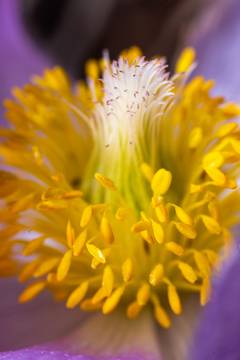
Early spring (March-April). Blue-violet to lavender-purple cup-shaped flowers 2-3 inches (5-7 cm) with golden stamen center. 3 weeks of bloom. Flowers before foliage emerges. Followed by feathery plumose seed heads. Bee-pollinated.
Detailed Descriptions
Flower Description
Blue-violet to lavender-purple, cup-shaped, 2-3 inches (5-7 cm) diameter, with a golden stamen center; the exterior is covered in silky hairsFoliage Description
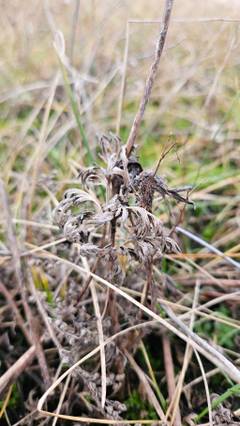
Silver-green, finely dissected (palmately divided into narrow segments), covered in silky hairs; the foliage emerges after the flowers and expands through summerGrowing Conditions
Sun Requirements
Requires 6-10 hours of direct sunlight daily
• Full Sun: 6+ hours of direct sunlight
• Partial Shade: 3-6 hours of direct sunlight
• Full Shade: Less than 3 hours of direct sunlight
Care & Maintenance
Care Guide
Full sun (6+ hours). Well-drained lean soil pH 6.0-8.0. Does not tolerate wet winter soil or summer irrigation — crown rot. Thick taproot — do not transplant established plants. All parts contain protoanemonin — toxic; causes skin irritation on contact. Semi-dormant in late summer. Deer-resistant. Zones 2-7.Pruning
Do not deadhead — the feathery plumose seed heads are a secondary ornamental feature. No pruning needed. The foliage dies back naturally in late summer heat. Remove dead foliage in fall if desired.Container Growing
Suitable for container growing
Minimum container size: 3 gallons