Image 1 of 13
1 / 13
Plant Reference
Pulsatilla, Genus, vulgaris, Species,
- Genus & species
common pasqueflower
Europe — from England east through central Europe to Ukraine; chalk grasslands, rocky slopes, and dry open meadows, often on calcareous (limestone) substrates
Overview
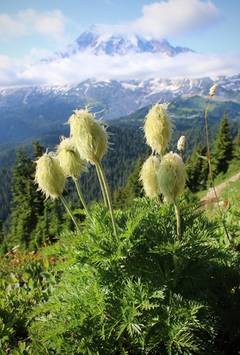
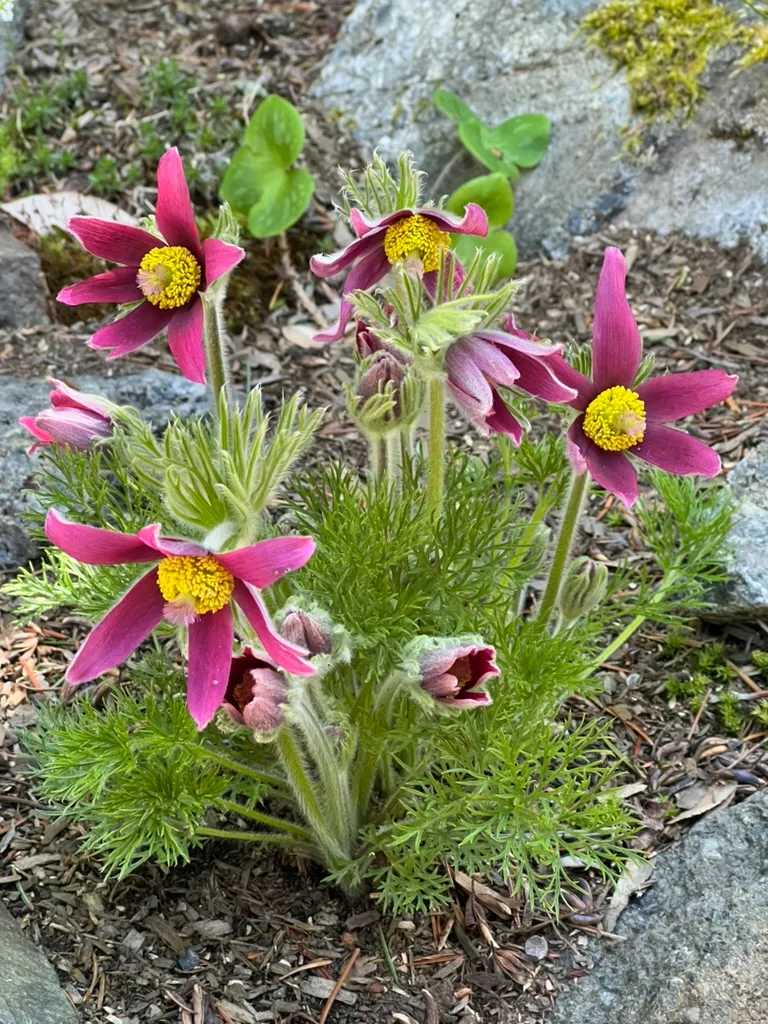
Pulsatilla vulgaris is common pasqueflower (pasque flower), a clumping deciduous perennial growing 6-12 inches (15-30 cm) tall and 8-12 inches (20-30 cm) wide. Violet-purple (or white, red, pink in cultivars) flowers 1.5-2.5 inches (4-6 cm) with 6 silky-hairy petal-like sepals and golden-yellow stamens in March-April (4 weeks). The entire plant is covered in long silky silver hairs. Ornamental plumed seed heads with feathery awns 1-2 inches (2.5-5 cm) follow the flowers. Deeply pinnately dissected fern-like foliage 3-5 inches (7-13 cm). In Ranunculaceae. Formerly Anemone pulsatilla. Native to European chalk grasslands and calcareous rocky slopes. Tolerates alkaline soil (pH to 8.0). Does not transplant well — the deep taproot resents disturbance. This intolerance of transplanting is the primary establishment limitation — plant from seed or small nursery containers. Requires sharp drainage — crown rot in wet winter soil. Contains protoanemonin — toxic if ingested, contact dermatitis. Deer-resistant. Drought-tolerant. Zones 4-8. Full sun. Growth rate is slow.
Native Range
Native to Europe — from England east through central Europe to Ukraine. Found on chalk grasslands, rocky slopes, and dry open meadows, often on calcareous (limestone) substrates.Suggested Uses
Grown in rock gardens, chalk grasslands, gravel gardens, and in containers of at least 5 gallons (19 L), spaced 8-12 inches (20-30 cm). Sharp drainage. Alkaline tolerant. Ornamental seed heads. Toxic. Deer-resistant. Zones 4-8.How to Identify
Appearance
Size & Dimensions
Height6" - 1'
Width/Spread8" - 1'
Bloom Information
Early to mid spring (March-April). Violet-purple (or cultivar colors) flowers 1.5-2.5 inches (4-6 cm) with silky-hairy sepals and golden stamens. 4 weeks. Ornamental plumed seed heads follow. Bee- and butterfly-visited.
Detailed Descriptions
Flower Description
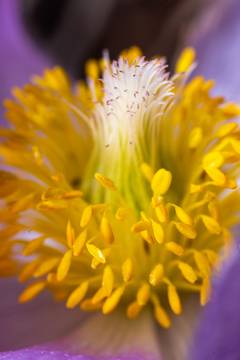
Violet-purple (species type), also white, red, pink, lilac, or near-black in cultivars; 6 silky-hairy petal-like sepals 1.5-2.5 inches (4-6 cm) surrounding a central boss of golden-yellow stamens; followed by ornamental plumed seed heads (feathery awns 1-2 inches / 2.5-5 cm)Foliage Description
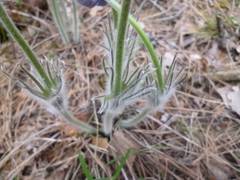
Mid-green, deeply pinnately dissected (fern-like), 3-5 inches (7-13 cm); densely covered in long silky silver hairs — the entire plant (leaves, stems, buds, and flower exteriors) is silvery-hairyGrowing Conditions
Sun Requirements
Requires 6-12 hours of direct sunlight daily
• Full Sun: 6+ hours of direct sunlight
• Partial Shade: 3-6 hours of direct sunlight
• Full Shade: Less than 3 hours of direct sunlight
Care & Maintenance
Care Guide
Full sun (6+ hours). Well-drained alkaline to neutral soil pH 6.5-8.0 (tolerates chalk and limestone). Sharp drainage required. Does not transplant well (deep taproot). Drought-tolerant. Toxic (protoanemonin — contact dermatitis). Do not deadhead (ornamental seed heads). Deer-resistant. Zones 4-8.Pruning
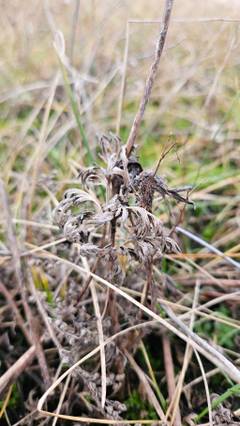
Remove old dead foliage in early spring (March) before new growth. Do not deadhead — leave ornamental plumed seed heads. No other pruning needed.Pruning Schedule
Prune: March
early spring
Container Growing
Suitable for container growing
Minimum container size: 5 gallons