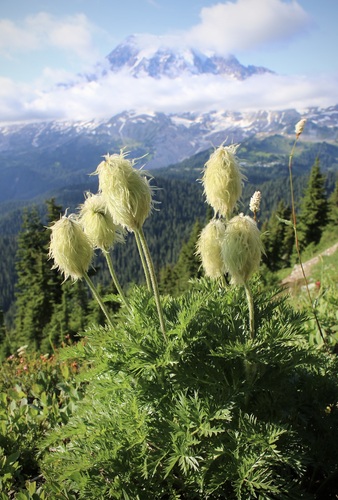
Pulsatilla, Genus, occidentalis, Species,
- Genus & species
western pasqueflower
Western North America (British Columbia south through Washington, Oregon to California; east to Montana and Colorado; alpine and subalpine zones)
Overview
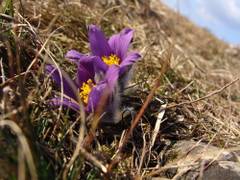
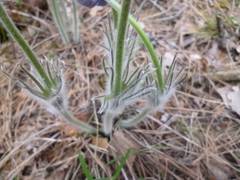
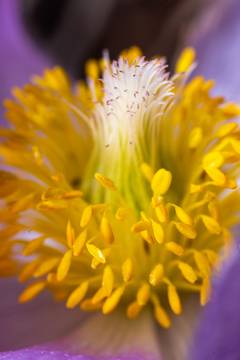
Pulsatilla occidentalis (syn. Anemone occidentalis) is the western pasqueflower, growing 6–18 inches (15–45 cm) tall and 6–12 inches (15–30 cm) wide. White to cream cup-shaped flowers 1.5–2 inches (4–5 cm) with a central boss of yellow stamens in late spring to early summer — appearing immediately after snowmelt at alpine and subalpine elevations (5,000–10,000 feet / 1,500–3,000 m). The flower exterior and the stems are covered in silky hairs. The feathery seed heads that follow flowering are a secondary feature: the styles elongate to 2–4 inches (5–10 cm) with silky plumes, creating a mop-like cluster — nicknamed 'Dr. Seuss plant' in the Pacific Northwest for this phase. Finely dissected (fern-like) basal foliage. In the buttercup family (Ranunculaceae). Native to western North America from British Columbia south through Washington, Oregon, and California, east to Montana and Colorado, in alpine meadows and rocky slopes. Difficult in lowland cultivation — requires cold winters (extended snow cover), cool summers, and sharp mineral drainage; lowland heat and winter wet cause crown rot. Seed requires cold stratification (60–90 days). All parts contain protoanemonin — a toxic skin and mucous membrane irritant (causes blistering on contact and gastrointestinal distress if ingested). Deer-resistant (toxic). Full sun. Zones 3–7. Growth rate is slow.
Native Range
Native to western North America from British Columbia south through Washington, Oregon, and California, east to Montana and Colorado, growing in alpine and subalpine meadows and rocky slopes at 5,000–10,000 feet (1,500–3,000 m) elevation.Suggested Uses
Grown in alpine and rock gardens in zones 3–7 with sharp drainage and cold winters. Difficult in lowland heat. The white flowers and the feathery seed heads are the sequential features. All parts toxic (skin irritant). Deer-resistant. Native.How to Identify
Appearance
Size & Dimensions
Height6" - 1'6"
Width/Spread6" - 1'
Bloom Information
Detailed Descriptions
Flower Description
White to cream, cup-shaped, 1.5-2 inches (4-5 cm), with a central boss of yellow stamens; exterior silky-hairyFoliage Description
Dark green, finely dissected (fern-like), basal, silky-hairy when youngGrowing Conditions
Sun Requirements
Requires 6-10 hours of direct sunlight daily
• Full Sun: 6+ hours of direct sunlight
• Partial Shade: 3-6 hours of direct sunlight
• Full Shade: Less than 3 hours of direct sunlight
Care & Maintenance
Care Guide
Full sun. Sharp mineral drainage — crown rot in winter wet. Difficult in lowland cultivation (requires cold winters, cool summers). Seed needs cold stratification (60–90 days). All parts toxic (protoanemonin — skin blistering). Deer-resistant. Zones 3–7.Pruning
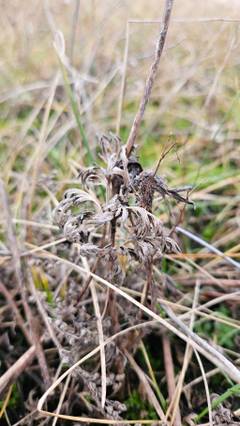
No pruning. Allow the feathery seed heads to develop and persist. The foliage dies back naturally in fall. Do not disturb the deep taproot.Pruning Schedule
Prune: October
fall
Container Growing
Suitable for container growing
Minimum container size: 3 gallons