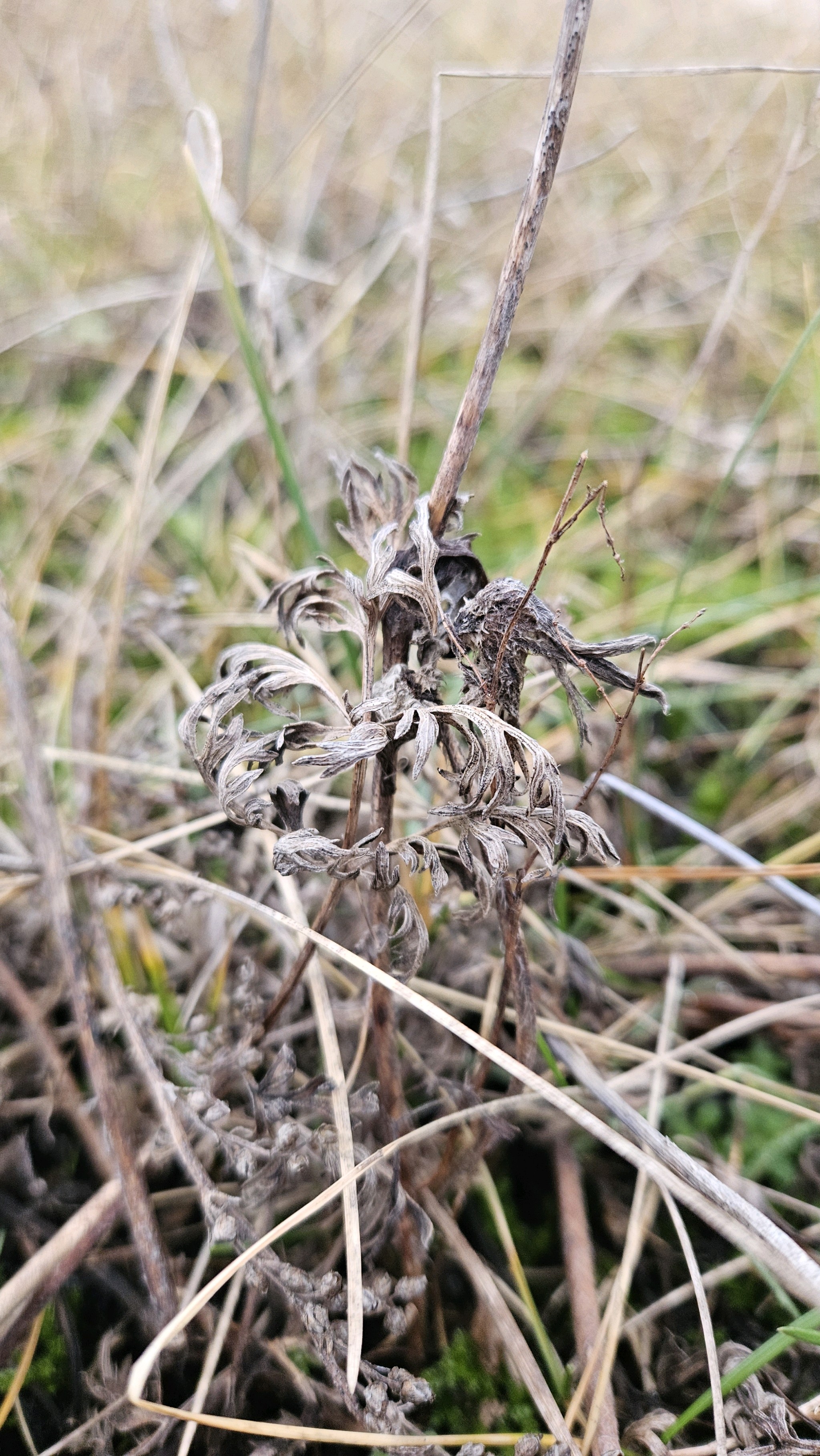
Pulsatilla, Genus, spp., Multiple species,
- Genus
- Multiple species
pasqueflowers
Overview
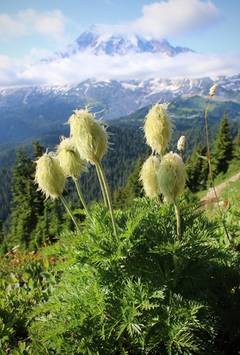
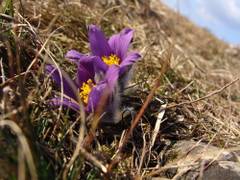
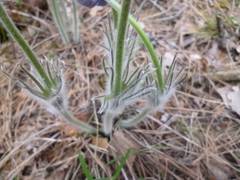
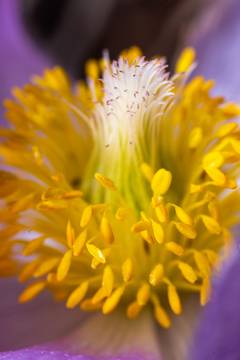
Pulsatilla is a genus of low, clump-forming herbaceous perennials in the buttercup family, grown for early spring flowers and feathery seed heads. Plants reach 6-12 inches (15-30 cm) tall in bloom and spread 6-12 inches (15-30 cm) wide from a stout woody rootstock. The whole plant is covered in silky silver hairs, densest on emerging growth. Leaves are finely divided into narrow segments, forming a basal rosette that expands after flowering. Solitary bell- to cup-shaped flowers, 1.5-3.5 inches (4-9 cm) across, open in early spring before or as the leaves develop, in shades of violet, purple, red, pink, or white, each with a central boss of yellow stamens. As flowers fade, the seed heads elongate into rounded clusters of plumed, silvery-tailed achenes that persist for weeks. All parts contain protoanemonin and are toxic if eaten, and the sap can irritate skin on contact. Plants are slow to establish and transplant poorly once mature. Across the genus, roughly 33 species occur on grassland, steppe, and rocky slopes through temperate Eurasia and North America. Foliage dies back by late summer in dry sites, leaving the plant dormant until spring.
Native Range
The genus Pulsatilla is native to temperate Eurasia and North America, from western Europe across the steppes of central Asia to Siberia, with species such as P. patens in North American prairies. Plants grow in open grassland, steppe, alpine meadow, and rocky, well-drained slopes, often over limestone. They occur from lowland prairie to alpine elevations above 9,000 feet (2,700 m).Suggested Uses
Grown in rock gardens, gravel gardens, alpine troughs, and the front of sunny borders, spaced 8-12 inches (20-30 cm) apart. Used for early spring color and persistent seed heads in well-drained, sunny plantings. Suited to container culture in deep pots that accommodate the taproot.How to Identify
Appearance
Size & Dimensions
Height6" - 1'
Width/Spread6" - 1'
Bloom Information
Blooms in early spring, generally March through April, often among the first perennials to flower as snow recedes. Each plant flowers for 2-3 weeks, with bloom followed by several more weeks of seed heads. In colder regions flowering shifts into April and May. Cool springs lengthen the bloom, while sudden heat shortens it.
Detailed Descriptions
Flower Description
violet, purple, red, pink, or whiteFoliage Description
green, silver-hairyGrowing Conditions
Sun Requirements
Requires 6-10 hours of direct sunlight daily
• Full Sun: 6+ hours of direct sunlight
• Partial Shade: 3-6 hours of direct sunlight
• Full Shade: Less than 3 hours of direct sunlight
Care & Maintenance
Care Guide
Grows in full sun to light shade in gritty, sharply drained, neutral to alkaline soil; wet or heavy ground causes crown and root rot. Plants are drought-tolerant once established and need little supplemental water. They establish most readily when planted young in their permanent position, as the deep taproot transplants poorly once mature. No routine feeding is needed beyond occasional compost. Slugs may damage emerging spring growth, while the toxic foliage is generally left alone by deer and rabbits. Clumps are long-lived and increase slowly without division.Pruning
Little pruning is needed. Faded flower stems can be left to form seed heads or removed to limit self-seeding. Old foliage is cleared in late autumn or early spring as new growth appears. Division is avoided because the taproot re-establishes slowly.Container Growing
Suitable for container growing
Minimum container size: 2 gallons