Pseudotsuga, Genus, menziesii, Species, 'Pendula', Cultivar,
- Genus & species
- Cultivar
weeping douglas fir
Cultivar of garden origin; species native from British Columbia south to California and east to the Rocky Mountains
Overview
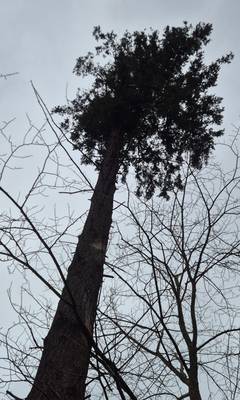
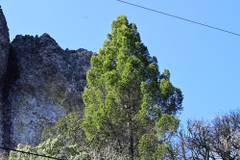
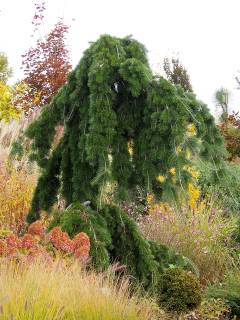
Pseudotsuga menziesii 'Pendula' is weeping Douglas fir (pendulous Douglas fir), an upright weeping evergreen coniferous tree growing 15-40 feet (4.6-12 m) tall and 6-12 feet (1.8-3.7 m) wide. Dark green flat needles 0.75-1.25 inches (2-3 cm) with two white stomatal bands below, on cascading pendant branches from an upright central leader. In Pinaceae. Pendula = weeping. Most specimens are grafted. Ultimate height depends on staking — without staking the leader weeps and the plant stays lower. The narrow footprint (6-12 feet / 1.8-3.7 m) fits smaller spaces than the species (20-40 feet / 6-12 m). Same cone diagnostic as species: three-pronged exserted bracts. Same pest profile: Douglas fir beetle, Swiss needle cast. Citrus-resin foliage scent. Non-toxic. Deer-resistant. Zones 4-8. Full sun to partial shade. Growth rate is moderate.
Native Range
Cultivar of garden origin. Species native from British Columbia south to California and east to the Rocky Mountains.Suggested Uses
Grown as a narrow weeping specimen in residential gardens, spaced 6-12 feet (1.8-3.7 m). Narrow footprint fits smaller spaces than the species. Stake leader for height. Non-toxic. Not suitable for containers. Zones 4-8.How to Identify
Appearance
Size & Dimensions
Height15' - 40'
Width/Spread6' - 12'
Reproduction
Monoecious. Orange-red male cones and small female cones in March-May, less frequently produced than on the species. Pendant cones 2-4 inches (5-10 cm) with three-pronged exserted bracts when produced.
Detailed Descriptions
Foliage Description
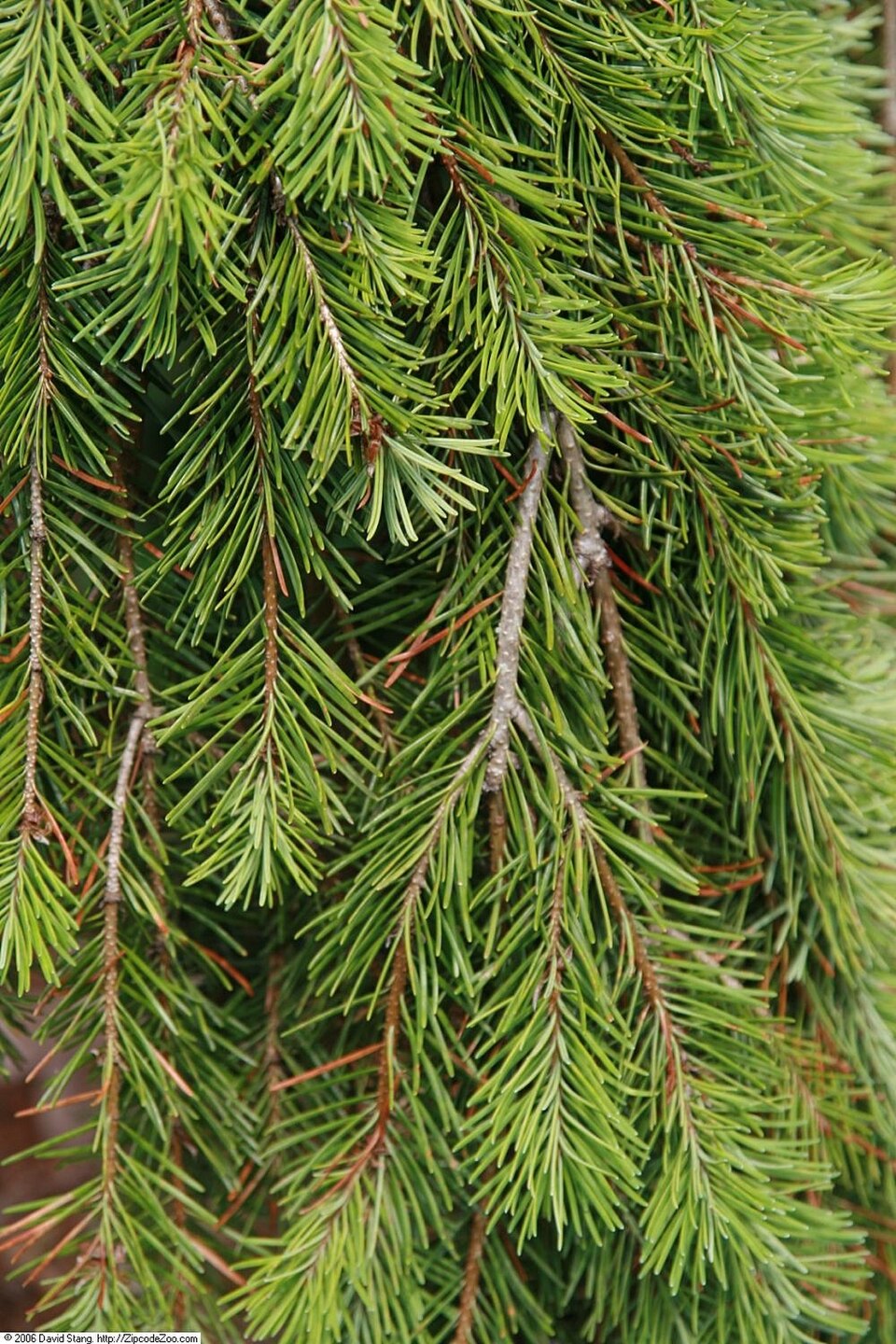
Dark green above with two white stomatal bands below, flat needles 0.75-1.25 inches (2-3 cm), soft; same foliage as the species but on cascading pendant branchesGrowing Conditions
Sun Requirements
Requires 4-12 hours of direct sunlight daily
• Full Sun: 6+ hours of direct sunlight
• Partial Shade: 3-6 hours of direct sunlight
• Full Shade: Less than 3 hours of direct sunlight
Care & Maintenance
Care Guide
Full sun to partial shade (4-12 hours). Well-drained acidic soil pH 5.0-6.5. Drought-tolerant once established. Stake the central leader to desired height — without staking the leader weeps. Most specimens are grafted — protect the graft union. Same pest profile as species: Douglas fir beetle, Swiss needle cast. Non-toxic. Deer-resistant. Zones 4-8.Pruning
Prune in winter (November-December) if needed. Stake the central leader to the desired height and remove the stake once the leader lignifies. Remove competing leaders. The cascading branches require no shaping.Pruning Schedule
Prune: November–December
winter