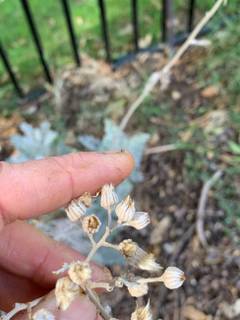
Psephellus, Genus, spp., Multiple species,
- Genus
- Multiple species
knapweed
Overview
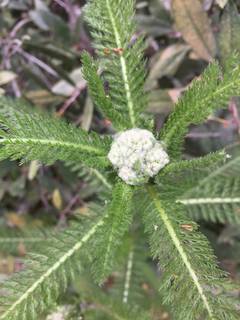
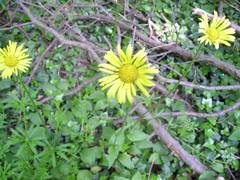
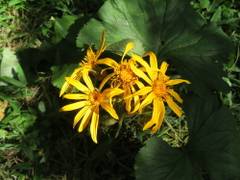
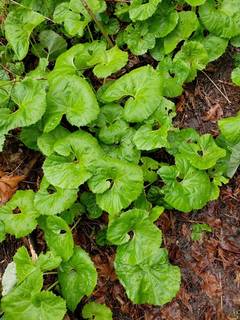
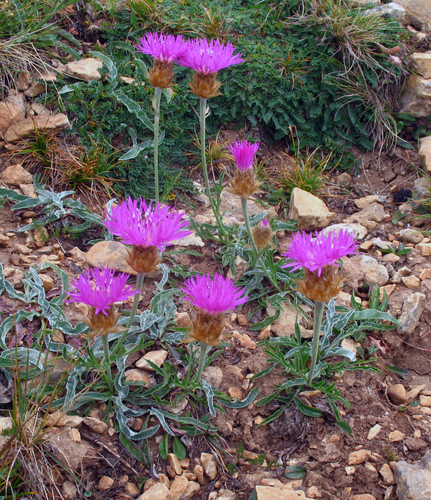
Psephellus is a genus of roughly 70-90 herbaceous perennials in the daisy family (Asteraceae), segregated from Centaurea and centered on the Caucasus, Anatolia, and northern Iran. Plants form low clumps or mounds 8-24 inches (20-60 cm) tall and 12-18 inches (30-45 cm) wide from a woody rootstock. The leaves are 2-6 inches (5-15 cm) long, lance-shaped to pinnately divided, often grey-green to silvery with dense felted hairs beneath. Thistle-like flowerheads 1-2 inches (2.5-5 cm) across are carried singly on upright stems, the spreading marginal florets surrounding a darker central disc; unlike many true thistles the bracts are fringed rather than spiny. Flower color ranges across pink, rose-purple, yellow, and white depending on the species. Bloom runs from late spring into summer, with scattered later flushes in some species. The clumps spread slowly and stay compact, though the silvery-leaved species decline in wet, poorly drained ground. Foliage dies back in winter in colder zones. The genus tolerates lean, rocky soils and exposure, but species differ in cold-hardiness, with Caucasian mountain forms enduring lower temperatures than those from warmer Anatolian elevations.
Native Range
Native to southwestern Asia, concentrated in the Caucasus Mountains, Anatolia, and northern Iran, with outliers in adjacent Turkey and the Caspian region. Species grow on rocky slopes, subalpine meadows, and open stony grassland, often at 3,000-8,000 feet (900-2,400 m).Suggested Uses
Grown in rock gardens, gravel gardens, and the front of sunny borders, spaced 12-15 inches (30-38 cm) apart. The silvery foliage and spineless thistle flowers suit dry, low-water plantings and slopes. Compact species grow in troughs and containers with a gritty, free-draining mix.How to Identify
Appearance
Size & Dimensions
Height8" - 2'
Width/Spread1' - 1'6"
Bloom Information
Flowers appear from late spring through midsummer, roughly May to July, with the main flush lasting 4-6 weeks. Some species rebloom lightly in late summer if cut back after the first flowering. Bloom is earlier at lower elevations and in warm gardens, later in cool upland sites.
Detailed Descriptions
Flower Description
pink, rose-purple, yellow, or whiteFoliage Description
grey-green to silveryGrowing Conditions
Sun Requirements
Requires 6-10 hours of direct sunlight daily
• Full Sun: 6+ hours of direct sunlight
• Partial Shade: 3-6 hours of direct sunlight
• Full Shade: Less than 3 hours of direct sunlight
Care & Maintenance
Care Guide
Grows in full sun in sharply drained, lean to moderately fertile soil with a pH from 6.0 to 8.0. Drought is tolerated once established, and the silvery-leaved species need dry, gritty conditions to persist. Wet winter soil is the main cause of loss, rotting the crown and roots. Light watering during extended drought suffices in the first season; thereafter little is needed. Plants stay compact and seldom need feeding, and rich soil produces lax, floppy growth. Powdery mildew and rust can mark the foliage in humid, crowded plantings.Pruning
Spent flower stems are sheared back after the first flush to tidy the clump and draw a lighter rebloom. Old foliage is removed at the end of the season or in early spring before new growth. Division every 3-4 years in spring keeps clumps vigorous as they open out at the center.Pruning Schedule
Prune: March & July
summerearly spring
Container Growing
Suitable for container growing
Minimum container size: 2 gallons