Polypodium, Genus, vulgare, Species,
- Genus & species
common polypody
Overview
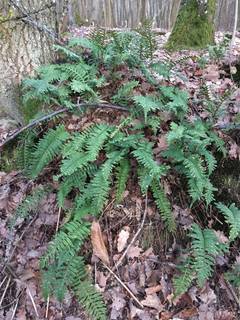
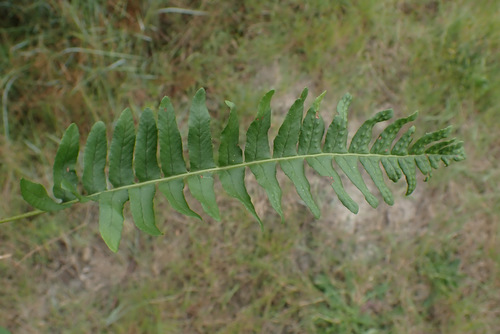
Polypodium vulgare is a small, evergreen fern native to Europe, North Africa, and parts of Asia, growing on rocks, walls, banks, and the mossy limbs of trees. The fronds emerge singly along a creeping, scaly rhizome that runs across the surface of its substrate, reaching 4-12 inches (10-30 cm) long. Each frond is leathery and once-divided into 10-25 pairs of blunt, oblong lobes, deep green and lasting through winter. Round spore clusters sit in two rows on the underside of each lobe, orange to golden brown when ripe, releasing spores from late summer into winter. The rhizome has a sweet, liquorice-like taste that lies behind its old name and aids its spread into loose colonies over stone and bark. It withstands summer drying by curling its fronds and recovering when moisture returns, though prolonged drought browns the foliage. As an epiphyte and rock dweller it takes little from the soil, drawing moisture and nutrients from rain, mist, and accumulated leaf debris. It tolerates exposure and salt-laden wind better than many ferns but declines in waterlogged ground.
Native Range
Native across Europe from Scandinavia to the Mediterranean, extending into North Africa, western Asia, and parts of eastern North America and Greenland. It grows on rock outcrops, dry stone walls, hedge banks, and as an epiphyte on mossy trees, mostly in cool, humid temperate zones.Suggested Uses
Grown in rock gardens, on dry stone walls, in crevice and trough plantings, and as an epiphyte mounted on bark or mossy logs. It suits shaded, cool corners and naturalistic plantings where it can creep over stone.How to Identify
Appearance
Size & Dimensions
Height4" - 1'
Width/Spread1' - 2'
Bloom Information
As a fern, this species produces spores rather than flowers. Round sori ripen on the frond undersides from late summer through winter, shifting from green to orange-brown. Spores are shed over a long autumn-to-winter window and carried by wind to damp crevices.
Detailed Descriptions
Foliage Description
Deep greenGrowing Conditions
Sun Requirements
Requires 2-5 hours of direct sunlight daily
• Full Sun: 6+ hours of direct sunlight
• Partial Shade: 3-6 hours of direct sunlight
• Full Shade: Less than 3 hours of direct sunlight
Care & Maintenance
Care Guide
Grows in part shade to dappled light in gritty, free-draining soil, leaf mold, or directly in rock and wall crevices. It needs cool, humid air and steady moisture during the growing season but withstands short dry spells once the rhizome is established. Hardy in USDA zones 3-8, it keeps its fronds through most winters and pushes new growth in spring. Setting the creeping rhizome at or just above the surface rather than buried avoids rot from deep planting. Misting or light shade in hot weather keeps the fronds from scorching. It needs almost no feeding, drawing what it requires from rain and decaying leaf litter.Pruning
No regular pruning is needed. Old, weathered, or winter-burned fronds can be cut back in early spring before the new fronds unfurl. Removing tattered fronds keeps the colony looking fresh and exposes the spreading rhizome.Container Growing
Suitable for container growing
Minimum container size: 1 gallons