Polypodium, Genus, spp., Multiple species,
- Genus
- Multiple species
polypody ferns
Temperate and tropical regions worldwide
Overview
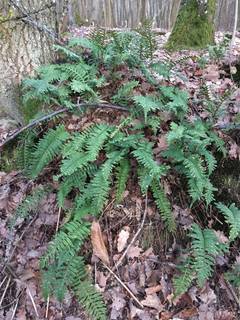
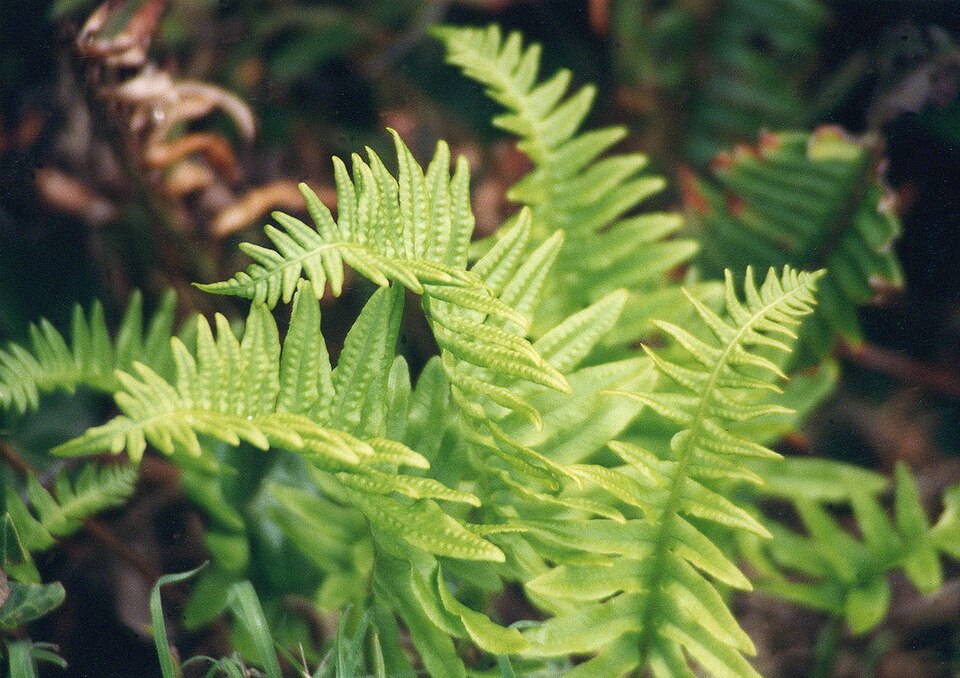
Polypodium is a genus of about 100 species of ferns in the family Polypodiaceae, found in temperate and tropical regions across much of the world and known as polypodies. The plants spread by creeping, scaly rhizomes that run over rock, soil, tree bark, and mossy banks, sending up fronds at intervals rather than from a single crown. The fronds are usually evergreen, simply pinnate or deeply lobed, and 4 to 18 inches (10 to 45 cm) long, with a leathery texture that withstands exposure. On the underside, round naked spore clusters sit in two rows along each lobe, without the protective flap found in many other ferns. Many species grow as epiphytes or lithophytes, perched on branches or stone with little soil. Being ferns, they bear no flowers and spread by spores and by the branching rhizome. Some species dry and shrivel in summer drought, then refresh with autumn rains.
Native Range
Polypodium grows across the temperate and tropical Northern and Southern Hemispheres, on every continent except Antarctica. The common polypody P. vulgare ranges across Europe and Asia, while North American natives such as P. virginianum and P. glycyrrhiza grow on shaded rocks, logs, and banks.Suggested Uses
Polypody ferns are grown as evergreen groundcover in shaded beds, on rock gardens and shaded walls, and on logs and stumps in woodland plantings. The epiphytic species are mounted on bark or grown in containers and hanging baskets. They knit together shaded, rocky spots where soil is thin and few other ferns persist.How to Identify
Appearance
Size & Dimensions
Height4" - 1'6"
Width/Spread1' - 3'
Bloom Information
Polypody ferns do not flower. They reproduce by spores ripening in round clusters on the frond undersides, mostly from late summer into autumn. The evergreen fronds hold through winter and are replaced gradually as new ones unfurl in spring.
Detailed Descriptions
Foliage Description
greenGrowing Conditions
Sun Requirements
Requires 2-5 hours of direct sunlight daily
• Full Sun: 6+ hours of direct sunlight
• Partial Shade: 3-6 hours of direct sunlight
• Full Shade: Less than 3 hours of direct sunlight
Care & Maintenance
Care Guide
Most Polypodium grow in part to full shade on moist but sharply drained, humus-rich or rocky soil at pH 5.0 to 7.0, and many grow on shaded walls, logs, and stone with little soil at the roots. The hardy species tolerate USDA zones 4 to 9, while tropical species need frost-free conditions. Keep the rhizomes moist but never waterlogged, since they rot in soggy ground. Some species go summer-dormant in drought and revive with cooler, wetter weather, so a dry spell is not always a sign of decline. Top-dress with leaf mold to feed the surface-running rhizomes. The ferns have few pests beyond slugs on the young fronds.Pruning
Trim away tattered or browned Polypodium fronds at the base in late winter before the new fronds unfurl. Evergreen species need little cutting, as old fronds are shed gradually. Lift and divide the rhizomes in spring to spread the ferns to new spots.Pruning Schedule
Prune: March
early spring
Container Growing
Suitable for container growing
Minimum container size: 1 gallons