Platanus, Genus, ×, Hybrid, hispanica, Species,
- Genus & species
- Hybrid
London plane
Hybrid of garden origin; parents from North America and Eurasia
Overview
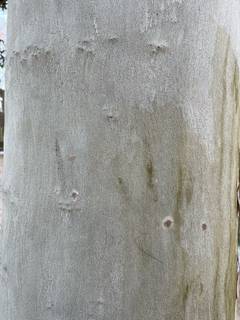
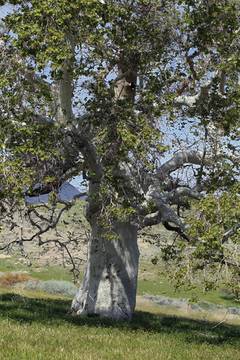
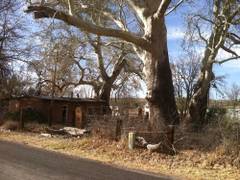
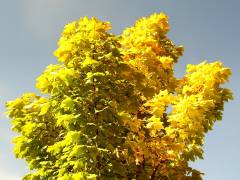
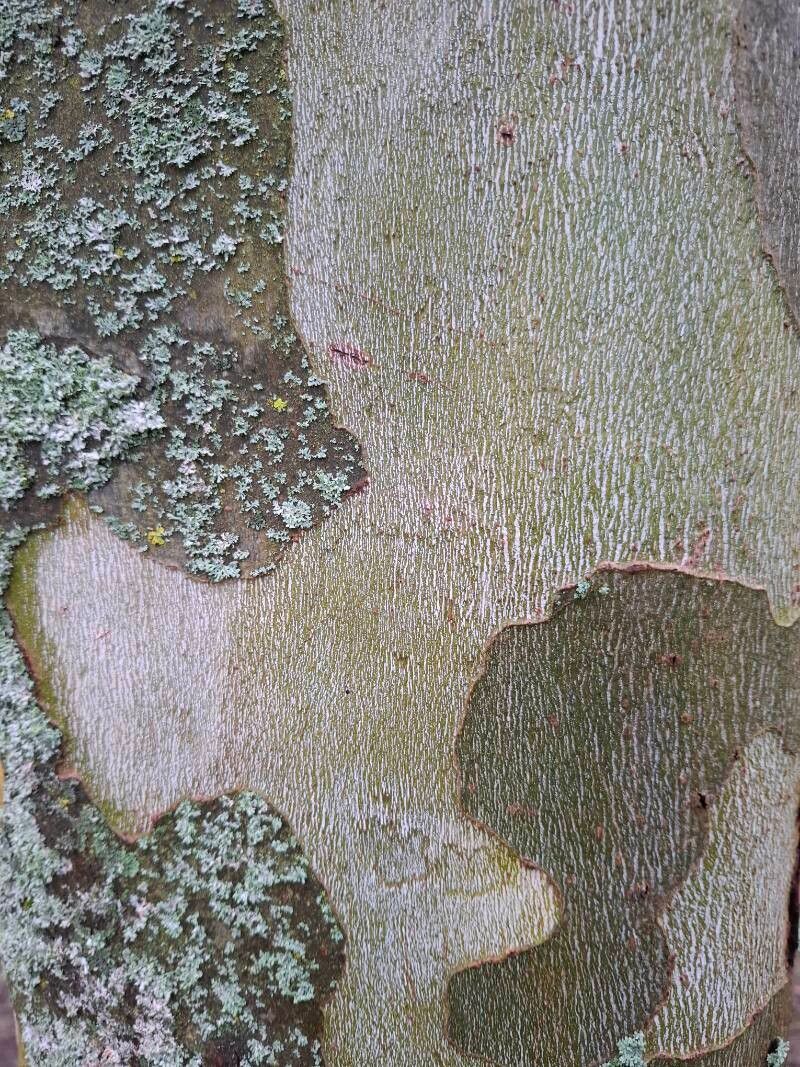
Platanus × hispanica is a large deciduous tree reaching 70-100 feet (21-30 m) tall and 65-80 feet (20-24 m) wide, with a broad, open, rounded crown and a straight trunk. The bark flakes in patches to reveal cream, olive, and gray underbark, giving a mottled surface. Leaves are maple-like, 5-9 inches (13-23 cm) wide, with 3-5 pointed lobes, bright green in summer and turning yellow-brown in autumn. Spherical seed heads about 1 inch (2.5 cm) wide hang on long stalks, usually two per stalk, breaking apart in winter to release seeds with irritating hairs. Growth is fast, often 1.5-2.5 feet (45-75 cm) per year when young. This hybrid of Platanus occidentalis and Platanus orientalis tolerates compacted soil, pollution, and heavy pruning, which accounts for its wide use as a street tree. The shed bark, leaves, and seed-ball fibers create litter, and the seed hairs can irritate skin and airways.
Native Range
A hybrid of garden and street-planting origin, not native to any wild habitat. Its parent species are the American sycamore, Platanus occidentalis, of eastern North America, and the Oriental plane, Platanus orientalis, of southeastern Europe and western Asia. The hybrid is planted in temperate cities worldwide.Suggested Uses
Used as a street, park, and avenue tree in cities, spaced 30-40 feet (9-12 m) apart, and trained or pollarded where space is limited. Tolerance of pollution and compacted soil suits it to paved and high-traffic sites. The mature size, litter, and irritating seed hairs limit its use in small or enclosed spaces.How to Identify
Appearance
Size & Dimensions
Height70' - 100'
Width/Spread65' - 80'
Bloom Information
Inconspicuous flowers open with the new leaves in April and May, the sexes in separate rounded clusters on the same tree. Wind carries the pollen over 1-2 weeks. The female clusters develop into the hanging seed balls that ripen in autumn and persist through winter.
Detailed Descriptions
Flower Description
Green to reddishFoliage Description
Bright green, turning yellow-brown in fallGrowing Conditions
Sun Requirements
Requires 6-10 hours of direct sunlight daily
• Full Sun: 6+ hours of direct sunlight
• Partial Shade: 3-6 hours of direct sunlight
• Full Shade: Less than 3 hours of direct sunlight
Care & Maintenance
Care Guide
Plant in full sun in deep, moist, well-drained soil, though the tree grows in clay, compacted urban soil, and a wide pH range. Water regularly for the first two to three years to establish the root system; mature trees tolerate short drought. Anthracnose causes leaf and shoot blight in cool, wet springs and can recur yearly without killing the tree. Powdery mildew and lace bugs also occur. The large size and vigorous roots can lift pavement and crowd nearby structures. Annual drop of bark, leaves, and seed balls calls for regular cleanup.Pruning
Prune in late winter while dormant to take out dead or crossing limbs and to raise the canopy. The tree tolerates hard pruning and pollarding, which is used to hold size along streets. Cuts on large limbs are slow to close and can admit decay.Pruning Schedule
Prune: January–February
winter