Platanus, Genus, spp., Multiple species,
- Genus
- Multiple species
planes
Northern Hemisphere; most species in North America
Overview
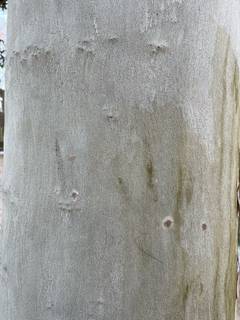
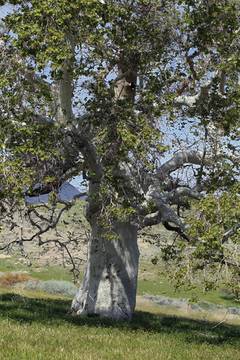
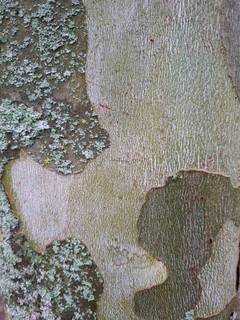
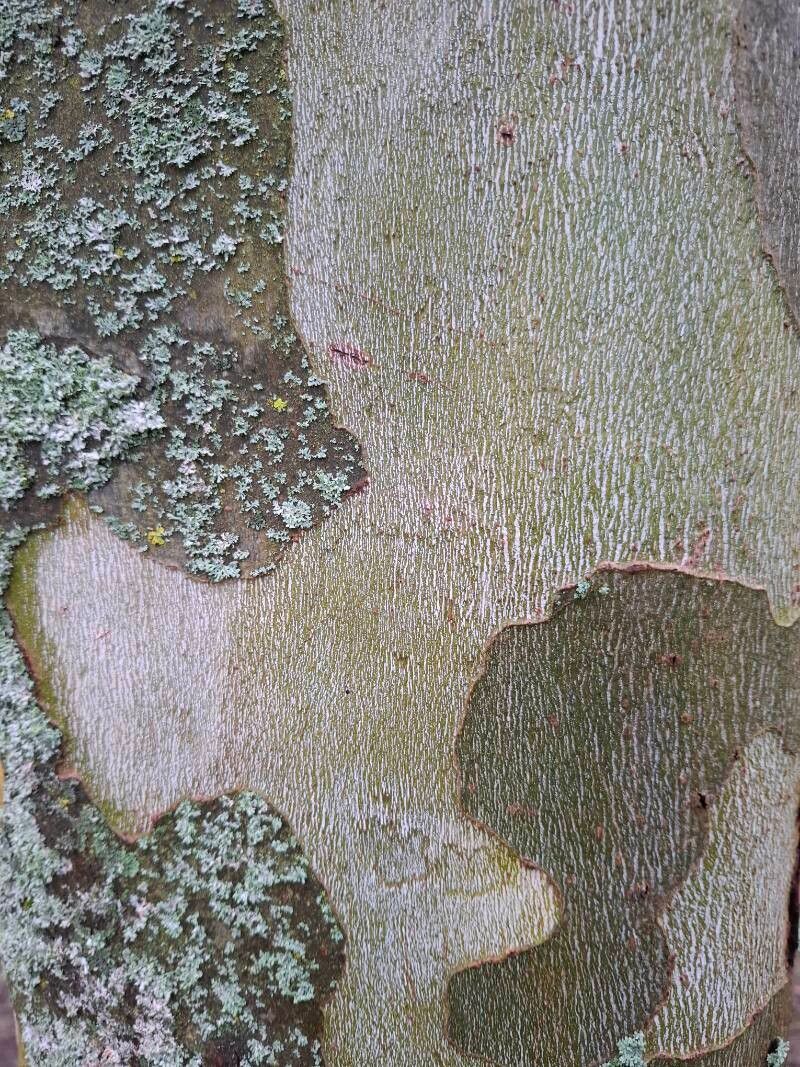
Platanus is a genus of about 10 species of large deciduous trees in the family Platanaceae, native to the Northern Hemisphere, with most species in North America and one in Eurasia. Mature trees reach 20-50 m (65-165 ft) with broad, spreading crowns and massive trunks. The bark flakes away in irregular plates to leave a mottled patchwork of grey, tan, and creamy-white, a pattern most pronounced on the upper trunk and limbs. The leaves are large, alternate, and palmately lobed with three to seven points, resembling maple leaves but arranged singly rather than in pairs. Tiny flowers are borne in dense spherical heads that ripen into hanging balls of densely packed seeds, each seed tipped with hairs for wind dispersal. P. occidentalis, the American sycamore, and the hybrid P. × acerifolia, the London plane, are widely planted as street and park trees for their tolerance of pollution and pruning. The tiny hairs shed from leaves and seed balls can irritate eyes and airways. Trees are fast-growing, long-lived, and develop large surface roots.
Native Range
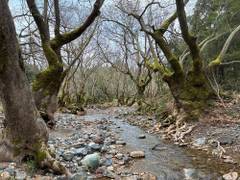
Native to the Northern Hemisphere, with several species across North America, one in southeastern Europe and western Asia (P. orientalis), and one in Indochina. P. occidentalis ranges across eastern North America, and P. racemosa grows along watercourses in California. The genus favours stream banks, floodplains, and other moist sites.Suggested Uses
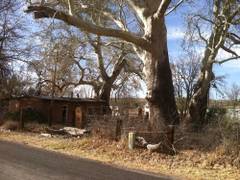
Planted as street, avenue, and park trees and for shade in large landscapes, where tolerance of pollution and pruning suits urban sites. The patterned bark is used as a winter feature in parkland plantings.How to Identify
Appearance
Size & Dimensions
Height65' - 165'
Width/Spread40' - 80'
Bloom Information
Tiny flowers appear in spring as the leaves expand, in separate male and female spherical clusters on the same tree. The flowers themselves are inconspicuous. The hanging seed balls that follow ripen in autumn and break apart over winter.
Detailed Descriptions
Foliage Description
greenGrowing Conditions
Sun Requirements
Requires 6-12 hours of direct sunlight daily
• Full Sun: 6+ hours of direct sunlight
• Partial Shade: 3-6 hours of direct sunlight
• Full Shade: Less than 3 hours of direct sunlight
Care & Maintenance
Care Guide
Planes grow in full sun in deep, moist soil but tolerate compaction, drought, and urban pollution once established, which suits them to streets and parks. They are hardy across much of the temperate zone, to about -30 C (-22 F). Anthracnose disease causes leaf and shoot dieback in cool, wet springs, and powdery mildew affects the London plane less than the American species. The large size, surface roots, and irritant leaf hairs limit their use in small gardens. Trees withstand hard pruning and pollarding.Pruning
Trees are pruned in winter to take out dead or crossing branches and to maintain a clear trunk. Street trees are often pollarded, cut back to the same points each year to form a dense head of new shoots. Wounds heal slowly, so large cuts are kept to a minimum.Pruning Schedule
Prune: December–February
winter